
Ašvieniai are significant figures in Lithuanian mythology, representing the twin horsemen who are often associated with various aspects of life, death, and the cycle of nature. These mythological beings are seen as symbols of speed, strength, and the connection between the earth and the heavens. They are commonly depicted riding on two magnificent horses, which further emphasizes their role as powerful and swift entities. The importance of Ašvieniai can be traced back to ancient times, where they played a vital role in the beliefs and practices of the Lithuanian people.

The Origin of Ašvieniai
The origins of Ašvieniai can be traced back to ancient Baltic traditions. These figures are often linked to the Slavic and Indo-European mythologies, showcasing the rich tapestry of beliefs that influenced Lithuanian culture. Ašvieniai are frequently connected with the sun and the moon, symbolizing the duality of day and night. Their presence in Lithuanian folklore indicates a deep-rooted understanding of the natural world and its cycles, reflecting the agricultural lifestyle of the people.
In many stories, Ašvieniai are portrayed as celestial beings who traverse the sky, bringing light and order to the chaos of the night. This celestial connection is significant as it represents the balance between different forces of nature. They are often associated with the harvest, as their appearance in the sky is believed to signal the changing seasons. This association with agriculture highlights the importance of nature in Lithuanian mythology.
Mythological Significance
- Guardians of the Harvest
- Symbol of Duality
- Connection to the Afterlife
Ašvieniai are considered the guardians of the harvest, believed to protect crops and ensure a bountiful yield. This connection to agriculture emphasizes their role in the sustenance of life and the importance of the earth in Lithuanian culture. Farmers would often invoke the Ašvieniai during planting and harvesting seasons, seeking their blessing for a fruitful harvest. This practice highlights the deep reverence that the Lithuanian people have for nature and its cycles.
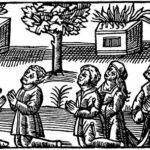 Alka
AlkaMoreover, Ašvieniai embody the symbol of duality, representing the balance between opposing forces. They are seen as a union of two entities, which is a common theme in many mythologies around the world. This duality can be interpreted in various ways, such as life and death, light and darkness, or male and female. The presence of Ašvieniai in Lithuanian mythology serves as a reminder of the interconnectedness of all things in the universe.
In addition to their agricultural significance, Ašvieniai are also associated with the afterlife. They are believed to guide souls to the other world, providing safe passage for those who have passed away. This aspect of their mythology reinforces the idea of a journey, both in life and in death. The connection between Ašvieniai and the afterlife illustrates the Lithuanian belief in the cyclical nature of existence, where life continues beyond death.
Ašvieniai in Folklore
The tales of Ašvieniai are deeply woven into the fabric of Lithuanian folklore. These stories often depict the twin horsemen engaging in various adventures and encounters with other mythological beings. They are frequently portrayed as heroes who protect the innocent and fight against malevolent forces. The stories of Ašvieniai serve not only as entertainment but also as moral lessons for the community.
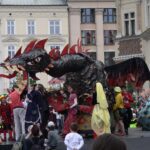 Aitvaras
In many folklore tales, Ašvieniai are depicted as helping farmers during difficult times. For instance, when a drought threatens the crops, the horsemen might appear to bring rain, ensuring the survival of the harvest. These narratives reflect the community’s reliance on nature and the belief that divine beings can intervene in human affairs. Such stories also emphasize the importance of cooperation and the need to respect the natural world.
Popular Tales of Ašvieniai
- The Rescue of the Lost Soul
- The Battle Against Darkness
- The Gift of Abundance
One popular tale involves Ašvieniai in the rescue of a lost soul who strayed from the path of righteousness. The horsemen ride through the night, guided by the light of the stars, to find the lost soul and lead it back to safety. This story emphasizes the importance of guidance and the belief that divine beings are always watching over humanity. It serves as a reminder that even in moments of darkness, there is hope for redemption.
Another well-known story features Ašvieniai in a battle against darkness. In this tale, the horsemen confront a formidable foe that threatens to engulf the world in shadows. With their swift horses and unwavering courage, they fight valiantly to restore light to the land. This narrative illustrates the ongoing struggle between light and darkness, a common theme in many cultures. It symbolizes the idea that good will always triumph over evil, reinforcing the moral values of the community.
The tale of the gift of abundance recounts how Ašvieniai bestow blessings upon the farmers during the harvest season. They ride across the fields, showering the crops with their divine energy, ensuring a plentiful yield. This story highlights the gratitude that the Lithuanian people have for the blessings of nature and the importance of celebrating the harvest. It serves as a reminder to honor the earth and its resources, reinforcing the cultural values of sustainability and respect for nature.
Cultural Representations of Ašvieniai
Ašvieniai have left a lasting impact on Lithuanian culture, influencing various forms of artistic expression. From traditional songs to modern literature, their presence is felt throughout the cultural landscape of Lithuania. The horsemen are often depicted in visual arts, where they are illustrated as powerful figures, riding through the skies on their majestic horses. These artistic representations serve to keep the stories and beliefs of Ašvieniai alive in the collective memory of the Lithuanian people.
In music, Ašvieniai are celebrated in traditional songs that recount their adventures and significance. These songs often evoke a sense of nostalgia and pride, reminding listeners of their cultural heritage. Through music, the stories of Ašvieniai are passed down from generation to generation, ensuring that their legacy continues to thrive. This oral tradition plays a crucial role in preserving the values and beliefs of the Lithuanian people.
Art and Literature
- Visual Arts
- Traditional Songs
- Modern Interpretations
In the realm of visual arts, Ašvieniai are often portrayed in vibrant colors and dynamic poses, capturing their essence as powerful and swift beings. Artists draw inspiration from the rich tapestry of Lithuanian mythology, creating works that celebrate the beauty and strength of these figures. The depictions of Ašvieniai not only serve as artistic expressions but also as cultural symbols that resonate with the Lithuanian identity.
Traditional songs about Ašvieniai often tell stories of their bravery and benevolence. These songs are performed during festivals and celebrations, reinforcing the communal bonds among the Lithuanian people. The melodies and lyrics evoke a sense of unity and shared history, reminding everyone of the importance of their cultural heritage. This musical tradition helps to keep the memory of Ašvieniai alive in the hearts of the community.
In modern literature, Ašvieniai continue to inspire authors and poets. Writers explore their mythological significance, often reinterpreting their stories for contemporary audiences. This modern interpretation allows for a deeper understanding of the themes of duality, nature, and the human experience. Through literature, Ašvieniai remain relevant, demonstrating the timelessness of their tales and the lessons they impart.
Modern Interpretations of Ašvieniai
In contemporary society, the figures of Ašvieniai have taken on new meanings and interpretations. As Lithuania continues to evolve, so too does the understanding of its mythological figures. Ašvieniai are often viewed through the lens of modern values, such as environmentalism and social justice. Their stories are reimagined to address current issues, demonstrating the adaptability of mythology in the face of change.
One modern interpretation focuses on the role of Ašvieniai as environmental guardians. In an age where climate change and environmental degradation are pressing concerns, the horsemen are seen as symbols of the need to protect the earth. Their connection to agriculture and the cycles of nature serves as a reminder of the importance of sustainable practices and the preservation of natural resources. This interpretation encourages individuals to reflect on their relationship with the environment and take action to safeguard it.
Ašvieniai in Popular Culture
- Films and Television
- Video Games
- Literary Works
Ašvieniai have also found their way into popular culture, appearing in films and television shows that explore themes of mythology and fantasy. These representations often highlight their heroic qualities and adventures, introducing them to new audiences. By incorporating Ašvieniai into modern storytelling, creators keep the mythology alive and relevant in today’s world. This crossover into popular culture serves to educate and entertain, bridging the gap between ancient beliefs and contemporary narratives.
In the realm of video games, Ašvieniai are sometimes featured as characters or inspirations for game mechanics. Their speed and agility make them ideal figures for action-packed gameplay, while their mythological significance adds depth to the storytelling. This incorporation of Ašvieniai into gaming not only entertains but also provides players with an opportunity to engage with Lithuanian mythology in a dynamic way.
Additionally, literary works continue to explore the themes associated with Ašvieniai, often reimagining their stories in new contexts. Authors draw from the rich symbolism of these figures to address contemporary issues, such as identity, belonging, and the relationship between humanity and nature. This modern exploration of Ašvieniai ensures that their legacy endures, inspiring new generations to connect with their cultural heritage.
The Legacy of Ašvieniai
The legacy of Ašvieniai is deeply embedded in the cultural consciousness of Lithuania. Their stories and symbolism continue to resonate with the Lithuanian people, serving as a source of pride and identity. The enduring nature of Ašvieniai reflects the resilience of Lithuanian mythology and its ability to adapt to changing times. As society evolves, the significance of Ašvieniai remains relevant, reminding individuals of the importance of their cultural roots.
Community celebrations and festivals often feature references to Ašvieniai, showcasing their role in Lithuanian culture. These events serve as a reminder of the connection between the past and the present, allowing individuals to come together and honor their shared heritage. Through storytelling, music, and art, the legacy of Ašvieniai is kept alive, fostering a sense of belonging and community among the Lithuanian people.
Preserving Cultural Heritage
- Educational Initiatives
- Community Events
- Research and Scholarship
Efforts to preserve the cultural heritage of Ašvieniai include various educational initiatives that aim to teach younger generations about Lithuanian mythology. Schools and community organizations often incorporate lessons about Ašvieniai into their curricula, fostering an appreciation for the rich cultural history of Lithuania. By educating young people about these mythological figures, the community ensures that their legacy will continue to thrive.
Community events, such as festivals and fairs, often celebrate the stories and significance of Ašvieniai. These gatherings provide opportunities for individuals to come together, share their knowledge, and engage in traditional practices. Through performances, storytelling, and artistic expressions, the legacy of Ašvieniai is celebrated, reinforcing the cultural bonds within the community. Such events play a crucial role in keeping the mythology alive and relevant.
Additionally, ongoing research and scholarship contribute to the understanding and appreciation of Ašvieniai. Academics and enthusiasts study the origins, significance, and interpretations of these mythological figures, shedding light on their role in Lithuanian culture. This scholarly work not only deepens the understanding of Ašvieniai but also encourages dialogue and exploration of other aspects of Lithuanian mythology.