
The Aitvaras is a fascinating figure in Lithuanian mythology, often depicted as a dragon or a serpent-like creature. This mythical being has a rich history in the cultural narratives of Lithuania and is known for its dual nature. While some tales portray the Aitvaras as a benevolent spirit, bringing prosperity and wealth, others describe it as a malevolent force that can bring misfortune. The complexities of the Aitvaras make it a captivating subject for those interested in folklore and mythology.
The Origin of Aitvaras
The origins of the Aitvaras can be traced back to ancient Baltic beliefs. It is believed that the Aitvaras was once a fire spirit that lived in the homes of people. This spirit was responsible for protecting the household and ensuring that the hearth remained warm. In many stories, the Aitvaras is said to have originated from the smoke of the fire, which gave it a connection to warmth and light. This connection to fire is significant as it highlights the importance of hearth and home in Lithuanian culture.
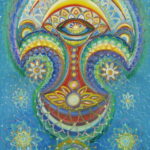 Žvaigždės
In some tales, the Aitvaras is described as a creature that could take on various forms. While it often appears as a dragon or serpent, it is also said to have the ability to transform into a bird. This shapeshifting quality allows the Aitvaras to traverse different realms, making it a versatile character in Lithuanian mythology. The ability to change forms also symbolizes the duality of the Aitvaras, representing both good and evil.
The Dual Nature of Aitvaras
The Aitvaras embodies a dual nature that reflects the complexities of life. On one hand, it is considered a guardian of wealth and prosperity. Many stories recount how the Aitvaras would bring riches to families, often in the form of gold or livestock. People would often leave offerings to the Aitvaras in hopes of receiving blessings in return. This aspect of the Aitvaras highlights its role as a benefactor, providing for those who honor it.
On the other hand, the Aitvaras can also be a harbinger of misfortune. In some tales, the creature is depicted as a trickster, leading people to ruin through greed or deceit. Those who become too attached to the wealth brought by the Aitvaras may find themselves in a precarious situation. This duality serves as a reminder of the balance between good and evil, and how one can easily tip the scales if not careful.
 Žemyna
Characteristics of Aitvaras
- Appearance: Often depicted as a dragon or serpent, with fiery eyes and scales that shimmer.
- Abilities: Known for shapeshifting, the Aitvaras can take on various forms, including that of a bird.
- Behavior: Can be both a guardian and a trickster, depending on the context of the story.
- Symbolism: Represents the duality of wealth, prosperity, and the potential for greed and misfortune.
Aitvaras in Folklore
Folklore surrounding the Aitvaras is rich and varied, with many stories passed down through generations. One common tale involves a farmer who discovers a hidden treasure thanks to the Aitvaras. In this story, the farmer treats the Aitvaras with respect, offering it food and shelter. In return, the Aitvaras rewards the farmer with a bountiful harvest and wealth. This tale illustrates the importance of respect and gratitude in relationships with spiritual beings.
Conversely, there are stories where individuals become greedy and attempt to capture the Aitvaras. In these narratives, the consequences of greed are dire. The Aitvaras, feeling betrayed, withdraws its blessings, leaving the greedy individuals in poverty. These stories serve as moral lessons, teaching the importance of humility and the dangers of avarice.
Aitvaras in Modern Culture
In modern Lithuania, the Aitvaras remains a symbol of cultural heritage. While the tales may not be as widely told as they once were, the Aitvaras continues to appear in various forms of art and literature. Contemporary artists and writers often draw inspiration from this mythical creature, exploring its themes of duality and the relationship between humans and nature.
 Žemepatis
Moreover, the Aitvaras has found its way into popular culture, appearing in festivals and celebrations that honor Lithuanian traditions. The image of the Aitvaras is often used in decorations and performances, serving as a reminder of the country’s rich mythology. This revival of interest in the Aitvaras reflects a broader trend of embracing cultural roots and folklore in a rapidly changing world.
The Role of Aitvaras in Lithuanian Spirituality
The Aitvaras holds a significant place in Lithuanian spirituality. It is often associated with the home and family, representing protection and abundance. Many families still honor the Aitvaras by maintaining traditions that involve offerings and rituals to ensure the well-being of their households. This connection to spirituality underscores the importance of the Aitvaras as a guardian figure.
In some regions, rituals are performed to appease the Aitvaras, especially during times of uncertainty or hardship. These rituals may include lighting candles or leaving food offerings near the hearth. The belief is that by showing respect to the Aitvaras, families can secure its favor and protection. This practice highlights the enduring nature of Lithuanian mythology and its integration into daily life.
Conclusion of Aitvaras Tales
The tales of the Aitvaras are not merely stories; they are reflections of the values and beliefs of Lithuanian culture. Through the dual nature of the Aitvaras, we learn important lessons about the balance between wealth and greed, and the significance of respect for the spiritual world. As Lithuania continues to embrace its cultural heritage, the Aitvaras remains a powerful symbol of the connection between people, nature, and the supernatural.
the Aitvaras is a captivating figure in Lithuanian mythology that encapsulates the complexities of human experience. Its stories remind us of the delicate balance between prosperity and misfortune, urging us to approach life with humility and respect. As we explore the rich tapestry of Lithuanian folklore, the Aitvaras stands out as a timeless representation of the intertwining of the natural and spiritual realms.