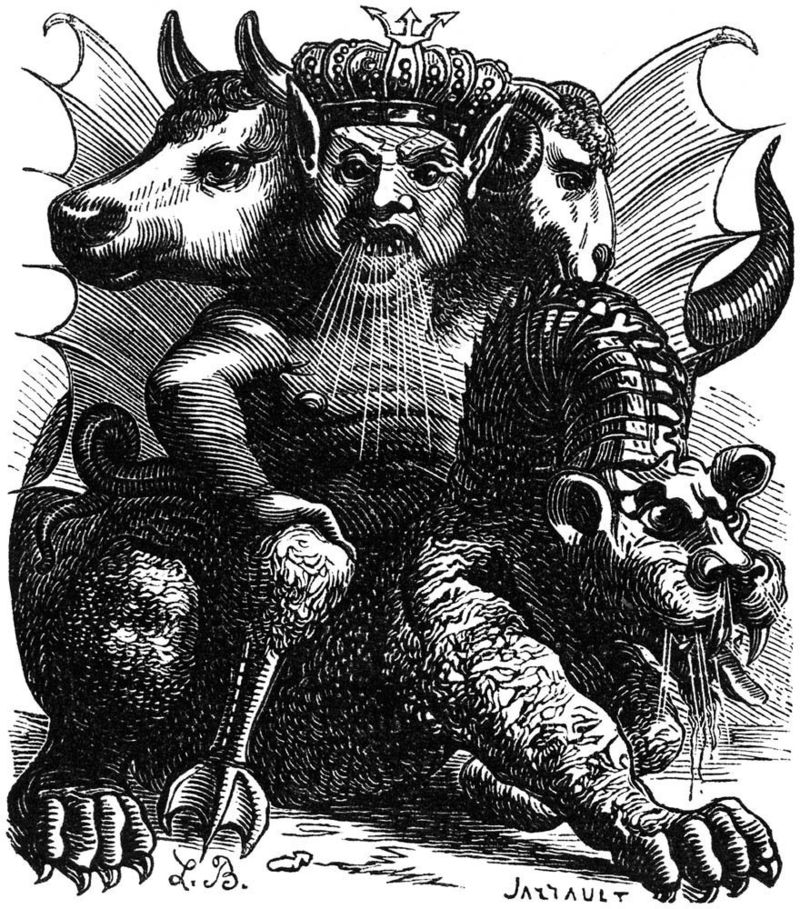
Asmoday is a name that resonates deeply within the realm of fallen angels and demonic lore. He is often depicted as a significant figure in various texts and traditions, embodying the complexities of rebellion, knowledge, and power. His character has been explored through various lenses, including literature, religion, and popular culture. Understanding Asmoday involves delving into the intricate web of beliefs that surround him and examining the role he plays within the broader context of angelology and demonology.
Origins of Asmoday
The origins of Asmoday can be traced back to ancient texts and mythologies. He is often linked to the Hebrew tradition, where he appears as a demon associated with lust and desire. In some accounts, he is seen as a king of demons, commanding legions and possessing knowledge of the occult arts. His name is thought to derive from the ancient Persian word for wrath, which reflects his fierce and rebellious nature.
 Asmodeus
In the context of Christian demonology, Asmoday is sometimes identified as one of the seven princes of Hell. His reputation as a powerful and seductive figure has made him a subject of fascination and fear throughout the ages. Asmoday’s character is often contrasted with that of angels, who are viewed as messengers of God and symbols of divine grace.
Literary References
Asmoday has appeared in various literary works, reflecting his multifaceted persona. One of the most notable references comes from the Grimoire of Armadel, where he is described as a demon who can teach the arts of alchemy and magic. This portrayal emphasizes his role as a teacher and a source of forbidden knowledge, aligning him with the archetype of the trickster.
- Grimoire of Armadel – A key text that mentions Asmoday’s powers.
- John Milton’s Paradise Lost – While Asmoday is not explicitly mentioned, themes of rebellion and temptation resonate with his character.
- Occult Literature – Various occult texts reference Asmoday in the context of summoning and knowledge.
These literary explorations serve to enrich the understanding of Asmoday, presenting him not just as a figure of evil, but as a complex being who embodies the struggle for knowledge and power. This duality is a common theme in the portrayal of fallen angels, who often reflect the darker aspects of the human psyche.
 Astaroth
Symbolism and Representation
Asmoday’s symbolism is deeply intertwined with the themes of desire, knowledge, and rebellion. He is often depicted as a powerful figure who challenges the status quo and defies divine authority. This defiance is a central aspect of his character, making him a compelling figure in discussions about free will and moral ambiguity.
In visual representations, Asmoday is sometimes shown with animalistic features, symbolizing his connection to primal instincts and desires. His appearance can vary widely, from a majestic being with regal attributes to a more grotesque figure that embodies the darker aspects of human nature. This variability in representation highlights the complex nature of his character and the myriad interpretations that exist within different cultures.
Connection to Other Fallen Angels
Asmoday is often discussed in conjunction with other fallen angels, such as Lucifer and Belial. These figures share common themes of rebellion and the pursuit of knowledge, creating a rich tapestry of narratives that explore the consequences of defiance against divine authority. Each of these fallen angels brings a unique perspective to the overarching themes of sin and redemption.
 Azael
Azael- Lucifer – Often considered the leader of the fallen angels, representing the ultimate rebellion.
- Belial – Symbolizes lawlessness and chaos, complementing Asmoday’s themes of desire.
- Leviathan – Represents the abyss and chaos, often associated with demonic forces.
This interconnectedness highlights the broader narrative of fallen angels as beings who challenge the established order. Asmoday’s role in this narrative serves to deepen the understanding of human desires and the moral complexities that accompany them.
Asmoday in Popular Culture
In recent years, Asmoday has made his way into popular culture, appearing in various forms of media, including video games, movies, and television shows. His character is often used to explore themes of power, temptation, and the struggle between good and evil. These portrayals reflect the ongoing fascination with the concept of fallen angels and the moral dilemmas they embody.
For example, in some video games, Asmoday is depicted as a powerful adversary that players must confront. His character often embodies the seductive nature of temptation, challenging players to make moral choices that reflect their own values. This interactive element allows players to engage with the themes surrounding Asmoday in a personal and meaningful way.
Film and Television
Asmoday has also appeared in various films and television series, often portrayed as a manipulative figure who seeks to exploit human weaknesses. In these narratives, he is typically shown as a charismatic antagonist, drawing characters into his web of deceit. This representation underscores the timeless battle between light and darkness, as well as the seductive nature of power and knowledge.
- Supernatural – A television series that features various demons, including characters inspired by Asmoday.
- Constantine – Films and series based on the DC Comics character often delve into themes of demonology, including references to Asmoday.
- Video Game Titles – Many games incorporate Asmoday as a character, reflecting his role as a tempter and antagonist.
These modern interpretations serve to keep the legend of Asmoday alive, allowing new generations to grapple with the moral questions that his character raises. By engaging with his story, audiences are invited to reflect on their own values and the nature of temptation.
Theological Perspectives on Asmoday
The figure of Asmoday has been examined from various theological perspectives, particularly within Christianity and Judaism. In these traditions, demons are often seen as manifestations of human sin and temptation. Asmoday, as a representative of lust and desire, embodies the struggle that individuals face in navigating their own moral choices.
Within Christian theology, Asmoday is frequently associated with the concept of sin and the consequences of turning away from divine guidance. His character serves as a reminder of the potential dangers that come with succumbing to temptation. This perspective emphasizes the need for vigilance and moral fortitude in the face of seductive forces.
Jewish Mysticism and Kabbalah
In Jewish mysticism, particularly within the framework of Kabbalah, Asmoday is sometimes linked to the concept of the Sitra Achra, or the “Other Side.” This term refers to the realm of evil and the forces that oppose divine will. Asmoday’s association with desire and lust places him firmly within this framework, where he represents the challenges faced by individuals in their spiritual journeys.
- Sitra Achra – The concept of the “Other Side” in Kabbalistic thought.
- Temptation – Asmoday as a symbol of the struggle against sin.
- Spiritual Growth – The role of Asmoday in the context of personal development.
This mystical interpretation adds another layer to the understanding of Asmoday, positioning him as a figure who challenges individuals to confront their own desires and make conscious choices in their spiritual paths. This journey of self-discovery is essential for growth and enlightenment.
Asmoday’s Influence on Modern Occult Practices
Asmoday has had a notable impact on modern occult practices, particularly in the context of ceremonial magic and summoning rituals. Practitioners often seek to invoke Asmoday for his reputed knowledge and abilities in the arts of magic and divination. This interest reflects a broader fascination with the occult and the pursuit of hidden knowledge.
In contemporary occultism, Asmoday is often viewed as a guide for those seeking to explore the mysteries of the universe. His association with forbidden knowledge and power makes him a compelling figure for practitioners who wish to push the boundaries of conventional understanding. However, engaging with such forces also comes with risks, as Asmoday’s nature can be unpredictable and dangerous.
Rituals and Invocations
Rituals involving Asmoday typically focus on the pursuit of knowledge, power, and self-discovery. Practitioners may perform invocations to seek his guidance in matters of personal growth, relationships, and the pursuit of goals. These rituals often involve specific symbols, chants, and offerings designed to attract Asmoday’s attention and favor.
- Invocation Rituals – Practices aimed at summoning Asmoday for guidance.
- Symbolic Offerings – Items used to honor Asmoday during rituals.
- Chants and Prayers – Verbal expressions meant to invoke Asmoday’s presence.
While some practitioners approach these rituals with a sense of reverence and caution, others may be drawn to Asmoday’s power without fully understanding the implications. This highlights the importance of knowledge and responsibility in engaging with such entities, as the consequences can be profound.
Asmoday’s Role in Psychological Interpretations
Asmoday’s character has also been analyzed from a psychological perspective, particularly in terms of how he represents aspects of the human psyche. In this context, he can be seen as a symbol of the shadow self, embodying the desires, fears, and impulses that individuals often suppress. This psychological interpretation offers a unique lens through which to view Asmoday’s significance.
According to psychological theories, confronting one’s shadow self is an essential part of personal growth and self-acceptance. Asmoday, with his associations with lust and desire, serves as a reminder of the need to acknowledge and integrate these aspects of the self rather than deny them. This process can lead to greater self-awareness and a more balanced understanding of one’s motivations.
Shadow Work and Personal Growth
Engaging with the concept of Asmoday in the context of shadow work can be a transformative experience. Shadow work involves exploring the hidden aspects of oneself, including repressed emotions and desires. By acknowledging these elements, individuals can work towards healing and self-discovery.
- Self-Reflection – The importance of examining one’s desires and motivations.
- Integration – The process of accepting all aspects of oneself.
- Personal Empowerment – Gaining strength from understanding one’s shadow self.
This psychological approach emphasizes the idea that understanding and integrating the darker aspects of the self can lead to greater personal empowerment. Asmoday, as a symbol of these complexities, encourages individuals to confront their own desires and fears in a constructive manner.
Final Thoughts on Asmoday’s Legacy
Asmoday’s legacy is one of complexity and intrigue, reflecting the multifaceted nature of human desires and the moral dilemmas that accompany them. From his origins in ancient texts to his modern portrayals in popular culture, Asmoday continues to captivate the imagination and provoke thought about the nature of good and evil.
As a figure of rebellion and knowledge, Asmoday challenges individuals to confront their own motivations and the consequences of their choices. Whether viewed through the lens of theology, psychology, or popular culture, he remains a compelling symbol of the ongoing struggle between light and darkness, desire and restraint.