
Anubis is one of the most recognizable deities in Egyptian mythology. He is often depicted as a figure with a human body and the head of a jackal. This representation is not merely artistic; it holds deep significance in the context of ancient Egyptian beliefs. Anubis was primarily associated with the afterlife, mummification, and the protection of graves. His role was crucial in guiding souls to the afterlife, and he was revered as a guardian of the dead. In this article, we will explore the various aspects of Anubis, his origins, his roles in ancient Egyptian society, and his lasting impact on culture.
The Origins of Anubis
The origins of Anubis can be traced back to the early dynastic periods of ancient Egypt. His worship likely began as a local deity in Upper Egypt. Over time, Anubis became integrated into the broader pantheon of Egyptian gods. His name, which is derived from the ancient Egyptian word “Inpw,” is often translated to mean “the royal child” or “to decay.” This etymology highlights his connection to both life and death.
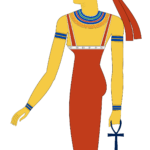 Anuket
Anubis was often associated with the necropolis of ancient Egypt, particularly the city of Saqqara. This area was known for its vast burial grounds and tombs, making it a fitting place for a god who presided over the afterlife. As the protector of the dead, Anubis was believed to watch over the mummification process, ensuring that the deceased were properly prepared for their journey to the next world.
The jackal, an animal often seen in the deserts of Egypt, was chosen as Anubis’s symbol due to its scavenging behavior. Jackals would often be seen around cemeteries, which likely contributed to the belief that they had a connection to the dead. This association made Anubis a fitting guardian for the souls of the deceased, as he was believed to protect them from any potential harm.
Anubis’s Role in the Afterlife
One of the primary roles of Anubis in Egyptian mythology was to oversee the process of mummification. This practice was essential for ensuring that the deceased would be preserved for their journey into the afterlife. Anubis was believed to guide the embalmers, ensuring that the body was treated with the utmost respect and care. The rituals involved in mummification were intricate and sacred, and Anubis’s presence was thought to bless these activities.
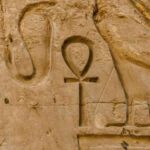 Ankh
AnkhAfter the mummification process, Anubis was responsible for guiding the soul of the deceased through the underworld. This journey was fraught with challenges, and Anubis’s guidance was essential for navigating the dangers that lay ahead. He was often depicted leading the deceased through the Hall of Two Truths, where the heart of the dead was weighed against the feather of Ma’at, the goddess of truth and justice. This weighing of the heart determined whether the soul was worthy of entering the afterlife.
If the heart was found to be lighter than the feather, the soul was granted passage into the afterlife, where they could enjoy eternal peace. However, if the heart was heavier, it was devoured by Ammit, a fearsome creature that was part crocodile, lion, and hippopotamus. This belief in the weighing of the heart reinforced the importance of living a righteous life, as one’s actions in life would ultimately determine their fate in the afterlife.
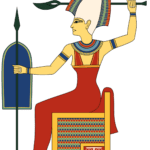 Anit
AnitSymbols and Iconography of Anubis
Anubis is often depicted in various forms of art and sculpture, showcasing his significance in ancient Egyptian culture. His most common representation features a black jackal or a man with a jackal’s head. The color black symbolizes fertility and rebirth, aligning with Anubis’s role in the afterlife. This color choice also reflects the color of the soil along the Nile River, which was essential for agriculture and life.
In addition to his jackal head, Anubis is frequently shown holding a sistrum, a musical instrument associated with the goddess Hathor. This symbol represents joy and celebration, indicating that Anubis was not just a figure of death but also of transformation and renewal. He is also depicted with a staff or a knife, which signifies his protective nature and his role as a guide through the afterlife.
- Black Jackal: Represents fertility and rebirth.
- Sistrum: Symbolizes joy and celebration.
- Staff: Indicates protection and guidance.
- Knife: Represents his role in mummification.
The use of these symbols in art and architecture served to reinforce Anubis’s importance in Egyptian beliefs. Temples and tombs often featured depictions of Anubis, reminding the living of his role as the protector of the dead. These images were not only meant to honor him but also to invoke his presence and ensure that he would guide the deceased safely to the afterlife.
Anubis in Mythological Texts
Anubis appears in various ancient Egyptian texts, including the Book of the Dead, a collection of spells and prayers designed to assist the deceased in their journey through the underworld. In these texts, Anubis is often called upon for protection and guidance. His role as a guardian is emphasized, highlighting the trust that the ancient Egyptians placed in him during the afterlife.
One of the most famous stories involving Anubis is the tale of Osiris, the god of the afterlife. According to the myth, Osiris was murdered by his brother Set, who dismembered his body and scattered the pieces across Egypt. Anubis played a crucial role in reassembling Osiris’s body and overseeing his mummification. This act not only solidified Anubis’s status as the god of mummification but also established a close relationship between him and Osiris, further intertwining their roles in the afterlife.
Additionally, Anubis is often mentioned in relation to the Judgment of the Dead. He is depicted as weighing the hearts of the deceased against the feather of Ma’at, determining their fate in the afterlife. This process is central to the beliefs surrounding justice and morality in ancient Egyptian culture. Anubis’s involvement in this judgment reflects the importance of living a virtuous life, as it would ultimately affect one’s destiny.
Anubis in Rituals and Worship
The worship of Anubis was an integral part of ancient Egyptian religion. His role as a protector of the dead made him a focal point during funerary rituals. Families would often invoke Anubis’s name during the mummification process, hoping for his blessing and guidance. Offerings, such as food and incense, were made to Anubis at tombs to ensure that he would look favorably upon the deceased.
One of the most important rituals involving Anubis was the Opening of the Mouth ceremony. This ritual was performed to restore the senses of the deceased, allowing them to eat, speak, and breathe in the afterlife. Anubis was often depicted as overseeing this ceremony, highlighting his essential role in the transition from life to death.
In addition to funerary rituals, Anubis was also worshipped in temples dedicated to him. These temples served as places of prayer and offerings, where the living could seek his protection and guidance. Priests would perform rituals in honor of Anubis, invoking his name to bless the deceased and ensure their safe passage into the afterlife.
The Legacy of Anubis
The legacy of Anubis extends far beyond ancient Egypt. His image and symbolism have endured through the ages, influencing various aspects of culture and art. Anubis has become a popular figure in modern media, often depicted in films, literature, and video games. This resurgence in interest reflects the lasting impact of Egyptian mythology on contemporary culture.
In addition to his presence in popular culture, Anubis’s influence can also be seen in modern spiritual practices. Many people today draw inspiration from the principles of ancient Egyptian beliefs, incorporating elements of Anubis’s teachings into their own spiritual journeys. The themes of protection, guidance, and transformation resonate with individuals seeking a deeper understanding of life and death.
The fascination with Anubis and Egyptian mythology continues to inspire scholars, artists, and enthusiasts alike. Museums around the world showcase artifacts and exhibits dedicated to ancient Egypt, further cementing Anubis’s place in history. His image serves as a reminder of the rich tapestry of beliefs that shaped the ancient world and continues to intrigue us today.