
In the vast tapestry of Egyptian mythology, one figure stands out for her unique role and significance: Anit. Anit is often associated with the underworld and the protection of the deceased. She is a goddess who embodies the themes of life, death, and rebirth. Understanding her attributes and the context in which she is worshipped provides insight into the ancient Egyptian worldview and their beliefs about the afterlife. This article will explore Anit’s characteristics, her symbolism, and her importance in the Egyptian pantheon.
The Origins of Anit
The origins of Anit are not entirely clear, as with many deities in Egyptian mythology. However, she is often linked to the more widely known goddess Isis. Both goddesses share attributes of motherhood and protection, especially concerning the deceased. Anit is sometimes depicted in funerary texts, where her role is to guide and protect souls in their journey through the duat, the Egyptian underworld. This connection to the afterlife is crucial, as it underscores the importance of death and rebirth in ancient Egyptian beliefs.
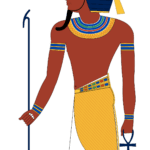 Anhur
AnhurIn various texts, Anit is often mentioned alongside other significant deities. This suggests that she was part of a broader belief system that included numerous gods and goddesses, each with their own distinct roles. The Egyptians viewed the cosmos as a complex network of relationships between these divine beings, and Anit was an integral part of this network. Her influence extended beyond mere representation; she was actively involved in the rituals and practices that ensured safe passage for the souls of the deceased.
Anit’s Attributes and Symbols
Anit is often depicted with various symbols that reflect her role in Egyptian mythology. One of the most common symbols associated with her is the scorpion. This creature symbolizes protection and danger, highlighting Anit’s dual role as both a guardian and a fierce protector of the deceased. In some representations, she is shown with a scorpion on her head or as part of her attire, reinforcing her identity as a goddess who navigates the complexities of life and death.
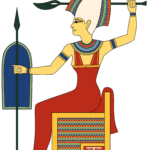 Anet
AnetAnother symbol frequently linked to Anit is the ankh, which represents life. The ankh is a powerful emblem in ancient Egypt, often seen in the hands of gods and goddesses as a sign of their ability to bestow life and protection. By associating Anit with the ankh, the Egyptians emphasized her role in ensuring that the souls of the deceased could continue their existence in the afterlife. This connection between life and death is a recurring theme in Egyptian mythology, and Anit embodies this duality perfectly.
Anit in Funerary Texts
Funerary texts from ancient Egypt provide valuable insights into the worship of Anit and her significance in the afterlife. These texts, such as the Book of the Dead, often include spells and incantations designed to protect the deceased and guide them through the challenges of the underworld. Anit is mentioned in various passages, where she is called upon for her protective qualities. Her presence in these texts underscores her importance as a guardian of souls.
- The Book of the Dead: Anit is invoked to provide protection against malevolent forces.
- Spells of Guidance: Many spells seek Anit’s assistance in guiding the deceased safely through the afterlife.
- Ritual Practices: Specific rituals were dedicated to Anit, emphasizing her role in funerary customs.
These funerary texts often portray Anit as a nurturing figure, emphasizing her role as a motherly protector. This nurturing aspect is essential, as it reflects the ancient Egyptians’ desire for a safe transition to the afterlife. The texts serve as a reminder that even in death, the deceased are not alone; they have divine beings like Anit watching over them, ensuring their safe passage.
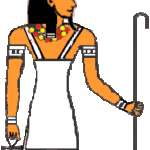 Andjety
Anit and the Afterlife
The afterlife was of paramount importance in ancient Egyptian culture, and Anit played a vital role in this belief system. The Egyptians viewed death not as an end but as a transition to a new existence. Anit, as a goddess associated with the underworld, was instrumental in facilitating this transition. Her role involved not only protection but also guidance, helping souls navigate the challenges they faced in the afterlife.
In the Egyptian belief system, the journey through the underworld was fraught with dangers. The deceased had to confront various obstacles, including hostile deities and judgment. Anit’s presence was seen as a source of comfort and strength during this daunting journey. She was believed to provide the necessary support to overcome these challenges, reinforcing the idea that the deceased were not abandoned in their time of need.
Anit’s Worship and Rituals
The worship of Anit involved various rituals and practices that aimed to honor her and seek her protection. These rituals often took place during funerary ceremonies, where family members would invoke her name to ensure the safe passage of their loved ones. Offerings were made to Anit, including food, incense, and other items believed to please the goddess. These offerings were essential for maintaining a favorable relationship with the divine.
- Offerings: Food and incense were common offerings made to Anit during funerary rites.
- Invocations: Family members would call upon Anit’s name during rituals to seek her protection.
- Celebrations: Certain festivals may have included elements dedicated to Anit, emphasizing her importance in the pantheon.
Additionally, some texts suggest that there were specific festivals dedicated to Anit, where her role in the afterlife was celebrated. These festivals would include music, dance, and storytelling, all aimed at reinforcing the community’s connection to the goddess. Such events would not only serve to honor Anit but also to educate the living about the significance of their relationship with the divine and the importance of the afterlife.
The Legacy of Anit
Despite her significance, Anit is not as widely recognized today as other deities in the Egyptian pantheon, such as Isis or Osiris. However, her legacy endures through the texts and artifacts that highlight her role in the afterlife. The ancient Egyptians understood the importance of protecting and guiding the deceased, and Anit was a crucial part of that belief system. Her attributes and symbolism continue to fascinate scholars and enthusiasts of Egyptian mythology.
The study of Anit and her role in funerary practices offers a glimpse into the values and beliefs of ancient Egyptian society. The reverence for life, death, and the afterlife is a recurring theme in their mythology, and Anit embodies this connection. As more discoveries are made in the field of Egyptology, there is potential for greater understanding and appreciation of lesser-known deities like Anit, who played vital roles in the spiritual lives of the ancient Egyptians.
Anit in Modern Culture
In contemporary culture, there has been a resurgence of interest in ancient Egyptian mythology, including the figure of Anit. Various forms of media, such as literature, films, and art, have begun to explore the rich tapestry of Egyptian beliefs, bringing figures like Anit to a broader audience. This revival is part of a larger trend to appreciate the complexities of ancient civilizations and their spiritual practices.
- Literature: Books exploring Egyptian mythology often mention Anit, highlighting her role in the afterlife.
- Art: Modern artists draw inspiration from Anit’s symbolism, creating works that reflect her significance.
- Media: Films and documentaries about Egyptian mythology have begun to include discussions of lesser-known deities.
This renewed interest in Anit reflects a growing appreciation for the diversity of deities in the Egyptian pantheon. It encourages a deeper exploration of the values and beliefs that shaped ancient Egyptian society. As more people learn about Anit and her role in the afterlife, her legacy continues to thrive, ensuring that her story is not forgotten.