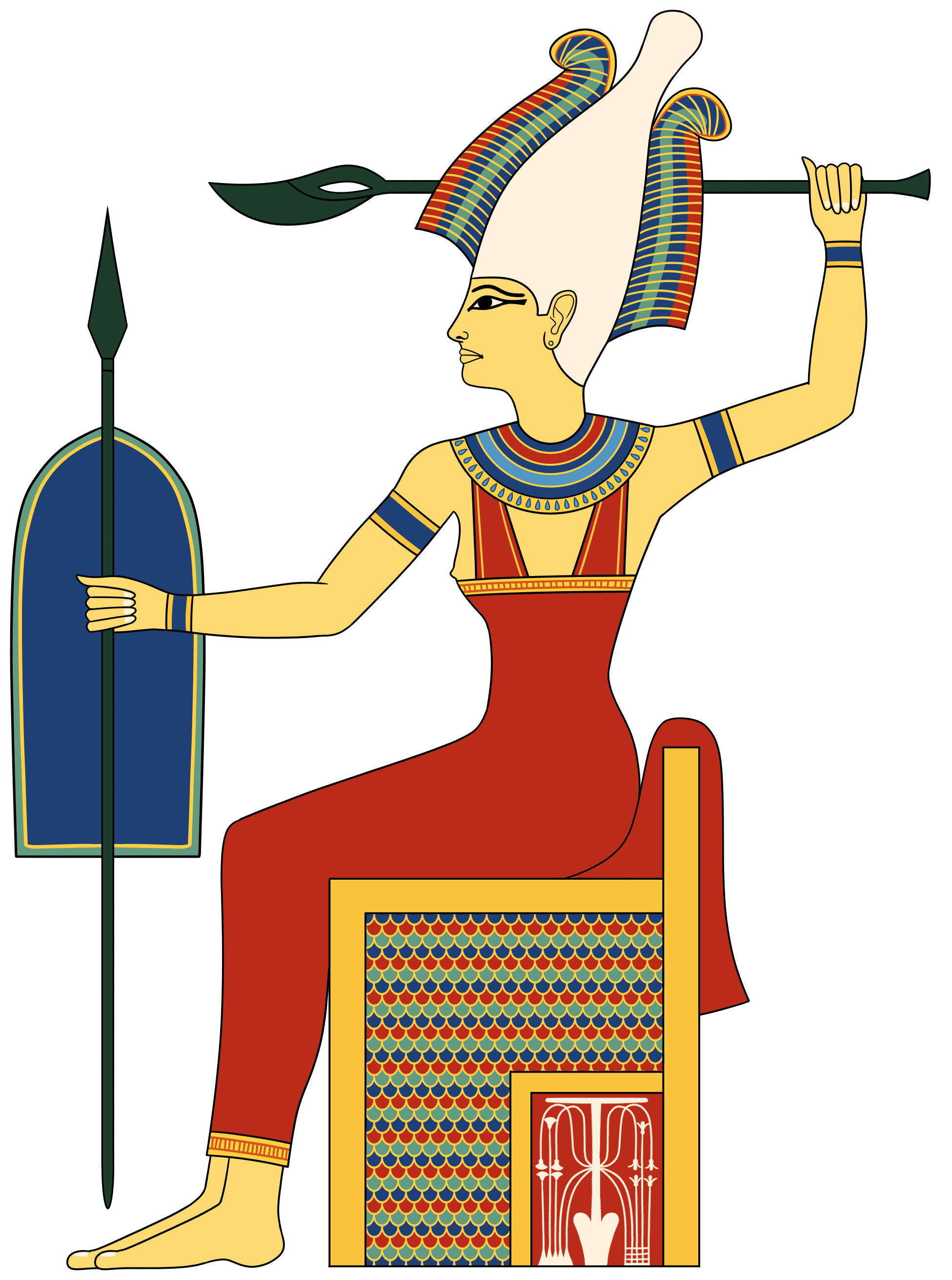
In the vast tapestry of Egyptian mythology, one figure that stands out is Anet. She is not as widely recognized as other deities like Osiris or Isis, but her role in the pantheon is equally significant. Anet is often associated with the themes of war and protection. Understanding her place in mythology helps illuminate the values and beliefs of ancient Egyptian society. Through her stories, we can see how the Egyptians viewed the concepts of strength, loyalty, and the divine.
Origins of Anet
Anet’s origins are somewhat murky, much like many figures in Egyptian mythology. She is often considered a lesser-known goddess, and her stories are not as prevalent in ancient texts compared to those of more prominent deities. However, her name appears in various inscriptions, indicating that she held some importance. Anet is frequently linked to the warrior aspect of the divine, embodying the spirit of the fierce and protective nature of the gods.
 Andjety
Many scholars believe that Anet may have originated from local cults or tribal beliefs that worshipped a protective goddess. Over time, as these tribes merged and formed larger communities, Anet’s characteristics and stories may have been absorbed into the broader Egyptian pantheon. This phenomenon is not uncommon in mythology, where local deities evolve and adapt as cultures intertwine.
Symbolism of Anet
Anet is often depicted with certain symbols that reflect her role in mythology. One of the most common symbols associated with her is the spear, representing her warrior aspect. This weapon signifies strength, courage, and the readiness to protect those who are vulnerable. In many ancient cultures, including that of Egypt, the spear was a powerful symbol of defense and power.
- Spear: Represents her warrior nature.
- Shield: Signifies protection.
- Falcon: Often associated with the sky and war.
Another important symbol is the shield, which emphasizes her protective qualities. In times of war, the shield served not only as a means of defense but also as a symbol of safety for her followers. It represented the assurance that Anet was watching over them, ready to intervene when danger arose. This duality of being both a warrior and a protector made her an essential figure in the hearts of those who sought her favor.
 Anat
AnatAnet and Warfare
In ancient Egypt, warfare was a significant aspect of life, and deities associated with it held considerable importance. Anet’s role as a goddess of war underscores the reverence Egyptians had for strength and valor. In many myths, she is depicted as leading armies into battle, showcasing her prowess and strategic mind. Her presence in these narratives illustrates how the Egyptians sought divine guidance and support in their military endeavors.
Moreover, Anet’s association with warfare extends beyond mere battle. She embodies the spirit of resilience and the belief that the gods actively participated in the affairs of humans. The Egyptians often prayed to her for victory and protection in conflicts, seeking her blessings before embarking on military campaigns. Temples dedicated to Anet served as places of worship where warriors would offer sacrifices and seek her favor.
 Imsety
Rituals and Worship
The rituals surrounding Anet’s worship varied depending on the region and the specific community. In some areas, she was venerated through elaborate ceremonies that included offerings of food, incense, and even weapons. These offerings were meant to appease her and gain her favor in times of conflict. The act of worshipping Anet was not just a personal endeavor; it was often a communal activity that brought people together in a shared belief.
- Offerings: Food, incense, and weapons.
- Festivals: Celebrations in her honor.
- Prayer: Seeking guidance and protection.
Festivals dedicated to Anet were occasions for the community to come together, celebrating their shared values of strength and protection. These gatherings often included music, dance, and storytelling, where priests would recount her tales of valor and bravery. Through these celebrations, the essence of Anet was woven into the cultural fabric of the society, reminding everyone of the importance of courage and unity.
Anet in Art and Literature
The depiction of Anet in ancient Egyptian art provides valuable insights into her character and significance. Artists portrayed her with attributes that emphasized her warrior nature. For instance, she is often shown wearing a headdress adorned with a falcon, symbolizing her connection to the sky and her role as a protector. This imagery reinforces her identity as a fierce goddess who watched over her people.
In literature, references to Anet can be found in various texts, including hymns and prayers. These writings often highlight her strength and the importance of invoking her name in times of need. The ancient Egyptians believed that mentioning a deity’s name in prayer could summon their presence and assistance. Therefore, Anet’s name was invoked not only for protection in battle but also for personal challenges faced by individuals.
Influence on Society
Anet’s influence extended beyond the realm of mythology into the everyday lives of the ancient Egyptians. Her character embodied the values that were essential for survival in a world filled with uncertainties. The ideals of strength, courage, and protection resonated with people from all walks of life. Warriors, mothers, and leaders alike found inspiration in her stories, using them as a source of motivation and guidance.
- Role Models: Anet as a symbol of strength.
- Community Values: Courage and protection.
- Inspiration: Encouraging resilience in adversity.
In many ways, Anet served as a role model for both men and women. Her fierce nature inspired warriors to fight bravely, while her protective qualities resonated with mothers and caregivers. The stories of Anet taught the value of standing up for what is right and defending the vulnerable. This duality made her a multifaceted figure that represented various aspects of human experience.
Anet’s Legacy
The legacy of Anet in Egyptian mythology is a testament to the complex and rich belief system of ancient Egypt. While she may not be as well-known as other deities, her stories and attributes have endured through time. Modern interpretations of Egyptian mythology continue to explore her significance, shedding light on the values that were cherished by the ancient Egyptians.
Today, Anet’s influence can be seen in various forms of art, literature, and popular culture. Her character serves as a reminder of the importance of strength and protection, values that remain relevant in contemporary society. As people continue to seek inspiration from the past, figures like Anet provide a connection to the rich heritage of human experience and belief.
Modern Interpretations
In recent years, there has been a growing interest in ancient mythologies, including that of Egypt. Scholars, artists, and writers have revisited the stories of Anet, reinterpreting her character for modern audiences. This renewed interest has led to a variety of creative expressions, from literature to visual arts, showcasing her enduring relevance.
- Literature: Novels and stories inspired by her myths.
- Art: Contemporary representations in various mediums.
- Media: Films and documentaries exploring her role.
These modern interpretations often highlight the themes of empowerment and resilience that Anet embodies. By reimagining her stories, contemporary creators are able to connect with audiences on a deeper level, drawing parallels between ancient beliefs and modern struggles. Anet serves as a powerful symbol of strength, reminding us of the timeless nature of courage and protection.
Anet in Comparative Mythology
When examining Anet within the context of comparative mythology, her character shares similarities with other goddesses from different cultures. For example, the warrior aspect of Anet can be likened to figures such as the Greek goddess Athena, who embodies wisdom and warfare. Similarly, the Roman goddess Bellona represents war and the protective qualities that come with it. These parallels highlight the universal themes of strength and protection found in mythologies around the world.
Such comparisons enrich our understanding of Anet and her significance in the Egyptian pantheon. They reveal how different cultures have revered the concepts of warfare and protection through their deities. This interconnectedness of mythological figures illustrates the shared human experience of facing conflict and seeking divine assistance in times of need.
Lessons from Anet
As we reflect on the stories and attributes of Anet, several lessons emerge that resonate with contemporary society. Her embodiment of strength and courage serves as a powerful reminder of the importance of standing up for oneself and others. In a world often filled with challenges, the spirit of Anet encourages individuals to be resilient and to protect those who cannot protect themselves.
- Strength: The importance of inner and outer strength.
- Courage: Facing challenges head-on.
- Protection: Looking out for the vulnerable.
Furthermore, Anet’s stories emphasize the value of community and unity. Just as ancient Egyptians came together to celebrate and worship her, modern society can benefit from collaboration and support. In times of adversity, the collective strength of individuals can create a powerful force for change and protection, echoing the ideals that Anet represented.
Anet in Popular Culture
The influence of Anet has also found its way into popular culture. In recent years, there has been a resurgence of interest in ancient mythologies, leading to adaptations of these stories in films, books, and games. Anet’s character, with her compelling attributes, has inspired various creative works that explore her role in the Egyptian pantheon.
For instance, in fantasy literature and films, characters inspired by Anet often embody traits of bravery and protectiveness. These portrayals reflect her enduring legacy and the universal appeal of her qualities. By adapting her story for modern audiences, creators continue to breathe life into the ancient myths, ensuring that figures like Anet remain relevant in today’s cultural landscape.
Educational Impact
The study of Anet and her role in Egyptian mythology has significant educational implications. By exploring her character, students and enthusiasts can gain insights into the broader themes of ancient Egyptian beliefs and values. Understanding Anet’s significance helps to contextualize the complexities of the Egyptian pantheon and the ways in which these deities influenced society.
- Mythology Studies: Importance in educational curriculums.
- Cultural Understanding: Insights into ancient beliefs.
- Interdisciplinary Learning: Connecting history, art, and literature.
Moreover, the exploration of Anet encourages interdisciplinary learning, bridging gaps between history, literature, and art. By examining her stories, students can develop critical thinking skills and an appreciation for the interconnectedness of cultural narratives. This holistic approach to learning enriches their understanding of human experience and the significance of mythology in shaping societies.
Conclusion: The Enduring Significance of Anet
Anet stands as a powerful figure within Egyptian mythology, representing the ideals of strength, protection, and resilience. Her stories and attributes continue to resonate with individuals today, offering valuable lessons that transcend time and culture. As we delve into the world of Anet, we uncover a rich tapestry of beliefs that reflect the human experience, reminding us of the importance of courage and unity in the face of challenges.
As we continue to explore the depths of ancient mythologies, figures like Anet will remain significant, serving as symbols of strength and protection for generations to come. Her legacy lives on, inspiring individuals to embody the qualities she represents and to seek the divine guidance that has been revered for centuries.