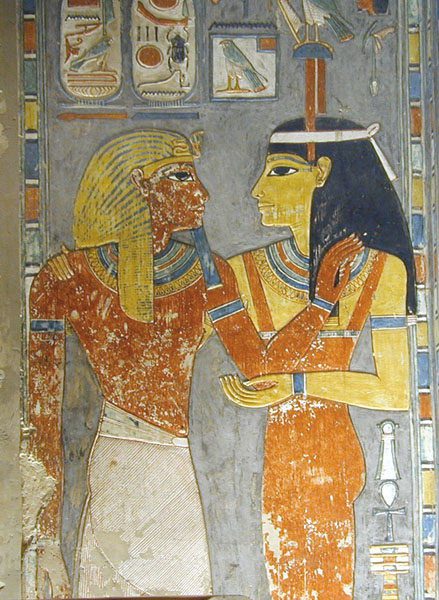
Ament is a significant figure in Egyptian mythology, often associated with the afterlife and the realm of the dead. In ancient Egyptian beliefs, Ament is seen as the personification of the west, where the sun sets, and is often linked to the underworld. The ancient Egyptians had a profound understanding of life, death, and what lies beyond, and Ament played a crucial role in their religious and spiritual practices. The concept of Ament is deeply intertwined with the journey of the soul after death, and understanding this figure helps to illuminate the complex beliefs of the ancient Egyptians regarding mortality and the afterlife.
The Origins of Ament
The origins of Ament can be traced back to the early dynastic periods of ancient Egypt. Ament is often depicted as a woman who wears a dress adorned with stars, symbolizing her connection to the night sky and the afterlife. The name “Ament” itself is derived from the Egyptian word “Amentet,” which translates to “the west.” This association with the west is significant, as the ancient Egyptians believed that the sun set in the west, marking the transition from day to night, and symbolizing the journey into the afterlife.
In various texts and inscriptions, Ament is mentioned alongside other deities associated with the underworld, such as Osiris and Anubis. She is often portrayed as a nurturing figure who welcomes the souls of the deceased into the afterlife. This welcoming aspect is essential in the context of Egyptian beliefs, as the journey to the afterlife was fraught with challenges, and the guidance of benevolent deities was crucial for a successful passage.
Ament in Egyptian Art and Literature
Ament has been represented in numerous works of Egyptian art and literature. In tomb paintings and carvings, she is often depicted reclining on a throne, surrounded by symbols of the afterlife. Her imagery typically includes a throne or a bed, emphasizing her role as a guardian and caretaker of the deceased. In many depictions, Ament is shown with the ankh, the symbol of life, highlighting her association with rebirth and the continuation of existence beyond death.
 Amun-ra
Literature from ancient Egypt, including the “Book of the Dead,” often references Ament and her role in guiding souls through the afterlife. The text provides spells and instructions for the deceased, ensuring a safe passage into the realm of Ament. The importance of these writings cannot be overstated, as they reflect the ancient Egyptians’ beliefs about the afterlife and the necessity of proper rituals and guidance to achieve eternal life.
The Role of Ament in the Afterlife
Ament’s primary role in the afterlife is that of a guide and protector for the souls of the departed. Once a person died, their soul would embark on a journey through the Duat, the Egyptian underworld. This journey was perilous, filled with various obstacles and challenges that the soul had to overcome. Ament, as a maternal figure, was believed to assist the souls in navigating these challenges and ultimately reaching their final resting place.
In the context of the afterlife, Ament is often associated with the weighing of the heart ceremony. In this ceremony, the deceased’s heart was weighed against the feather of Ma’at, the goddess of truth and justice. Ament played a crucial role in this process, as she was present to welcome the soul and guide it through the necessary rituals. If the heart was found to be lighter than the feather, the soul was deemed worthy and allowed to enter the afterlife. However, if the heart was heavier, it faced dire consequences, often depicted as being devoured by the fearsome creature Ammit.
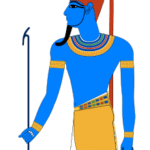 Amun
AmunSymbolism of Ament
Ament is rich in symbolism, embodying various aspects of life, death, and rebirth. Her connection to the west is significant, as it represents not only the setting sun but also the transition into the unknown. This duality reflects the ancient Egyptians’ complex understanding of death as both an end and a new beginning. Ament symbolizes the hope of resurrection and the continuation of existence beyond the physical realm.
Moreover, Ament is often associated with the night sky and the stars, further emphasizing her connection to the afterlife. The stars were seen as the souls of the departed, and Ament’s portrayal as a figure adorned with stars highlights her role in guiding these souls to their celestial home. This connection to the cosmos reinforces the idea that the afterlife is not merely a continuation of life on earth but a transformation into a different state of being.
Ament and Other Deities
Ament is closely linked to several other deities within the Egyptian pantheon. One of the most notable associations is with Osiris, the god of the afterlife. Osiris represents resurrection and eternal life, and Ament complements this by providing guidance and support to the souls of the deceased. Together, they embody the cycle of death and rebirth that is central to Egyptian beliefs.
Another significant figure in Ament’s narrative is Anubis, the god of mummification and the protector of graves. Anubis is often depicted as a jackal or a man with a jackal’s head and is responsible for overseeing the embalming process and guiding souls to the afterlife. Ament and Anubis work in tandem, with Anubis preparing the deceased for their journey and Ament welcoming them into the afterlife. This collaboration between deities illustrates the intricate web of relationships within Egyptian mythology and the shared responsibilities in the journey after death.
The Worship of Ament
The worship of Ament, like many aspects of ancient Egyptian religion, was deeply ingrained in the culture and rituals of the time. Temples and shrines dedicated to Ament were established, where people would come to pay their respects and seek her guidance for their loved ones who had passed away. Rituals often included offerings of food, incense, and other items believed to be pleasing to the gods.
Moreover, Ament was invoked in various funerary practices. Families would include her name in prayers and inscriptions on tombs, hoping to ensure that their loved ones received her protection in the afterlife. The ancient Egyptians believed that by honoring Ament, they could secure a favorable judgment for the deceased and a smooth transition into the next world.
Ament in Modern Culture
While Ament may not be as widely recognized today as other Egyptian deities like Osiris or Isis, her influence persists in modern culture. Interest in Egyptian mythology has surged in recent years, with many people seeking to understand the beliefs and practices of this ancient civilization. Ament’s role as a guardian of the afterlife resonates with contemporary themes of spirituality and the quest for understanding life after death.
Additionally, Ament’s symbolism can be found in various forms of art and literature. Writers and artists draw inspiration from her narrative, using her story to explore themes of mortality, the afterlife, and the journey of the soul. This enduring legacy highlights the timeless nature of Ament’s character and the universal questions about life and death that continue to captivate human imagination.
The Legacy of Ament
Ament’s legacy is a testament to the ancient Egyptians’ rich spiritual life and their intricate beliefs about the afterlife. She serves as a reminder of the importance of guidance and protection in the face of mortality. The ancient Egyptians placed great emphasis on the journey after death, and Ament’s role as a nurturing figure underscores the compassion and care they believed existed in the afterlife.
Furthermore, Ament’s association with the west and the night sky emphasizes the significance of natural cycles in Egyptian thought. The sun’s daily journey across the sky mirrored the cycle of life, death, and rebirth that was central to their worldview. Ament embodies this connection to the cosmos, reminding us that our existence is part of a larger, interconnected universe.
Ament in Contemporary Spiritual Practices
In recent years, some modern spiritual practices have sought to incorporate elements of ancient Egyptian mythology, including Ament. People exploring spirituality may look to her as a symbol of guidance and protection during their own journeys through life. The concepts of nurturing and support that Ament represents resonate with those seeking comfort in their spiritual explorations.
Additionally, some practitioners of paganism and neo-paganism have embraced Ament’s imagery and symbolism. They often honor her in rituals and ceremonies that focus on honoring ancestors and connecting with the spirit world. This modern interpretation of Ament reflects a broader trend of revisiting ancient beliefs and practices, highlighting the enduring relevance of her character.
While the ancient Egyptians may have left this world thousands of years ago, the figure of Ament continues to inspire and intrigue. Her role as a guide to the afterlife and a symbol of nurturing and protection resonates with people today, reminding us of the timeless questions surrounding life, death, and what lies beyond. Through the lens of Ament, we gain insight into the rich tapestry of Egyptian mythology and the profound beliefs that shaped their understanding of existence.