
Amun-Ra is one of the most significant deities in Egyptian mythology. He represents the fusion of two powerful gods: Amun, the hidden one, and Ra, the sun god. This combination symbolizes the importance of both the hidden and visible aspects of life, emphasizing that both are necessary for existence. Amun-Ra was worshipped as the king of the gods, embodying both creation and life. His influence spread across ancient Egypt, particularly during the New Kingdom period, when his worship reached its zenith. The temples dedicated to Amun-Ra, especially in Thebes, became central to Egyptian religious practices and were significant centers of political power.
The Origins of Amun-Ra
The origins of Amun-Ra can be traced back to ancient Egyptian beliefs that revolved around nature and the cosmos. Amun originally emerged as a local deity of Thebes, representing the hidden forces of creation. His name means “the hidden one,” which signifies his role as a mysterious and powerful god. Over time, as Thebes rose to prominence, Amun’s status grew, leading to his identification with Ra, the sun god. This merger was significant as it combined the attributes of both gods, creating a more powerful deity who represented the sun, air, and creation.
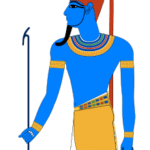 Amun
AmunRa, on the other hand, was primarily worshipped as the god of the sun and was depicted as a falcon-headed figure with a solar disk above his head. The sun was crucial for the survival of life in ancient Egypt, as it provided warmth and light. The combination of Amun and Ra into Amun-Ra symbolized the union of the hidden and the visible, the spiritual and the physical. This duality made Amun-Ra a complex deity, embodying the mysteries of life and the power of the sun.
The Role of Amun-Ra in Egyptian Society
Amun-Ra played a vital role in ancient Egyptian society, influencing not only religious practices but also the political landscape. As the king of the gods, he was often invoked in royal decrees and inscriptions. Pharaohs claimed to be the earthly representatives of Amun-Ra, which legitimized their rule. This divine connection was crucial for maintaining order and stability in a society that relied heavily on the belief in the gods. The pharaohs built magnificent temples in his honor, where priests performed rituals to ensure the favor of Amun-Ra.
In addition to his political significance, Amun-Ra was also central to the daily lives of the ancient Egyptians. People sought his blessings for health, prosperity, and protection. The priests of Amun-Ra played a critical role in mediating between the gods and the people, conducting rituals and offering sacrifices to gain the deity’s favor. Festivals dedicated to Amun-Ra attracted large crowds, showcasing the deep reverence that the Egyptians had for him. These celebrations often included music, dancing, and offerings, reflecting the joy and gratitude of the people towards their god.
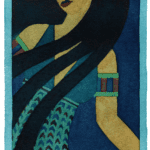 Amaunet
Temples Dedicated to Amun-Ra
The temples of Amun-Ra were among the most magnificent structures in ancient Egypt, serving as both religious and political centers. The most famous of these temples is the Karnak Temple complex, located in Thebes. This vast site includes numerous temples, chapels, and pylons, all dedicated to Amun-Ra. The construction of Karnak began around 2055 BCE and continued for centuries, showcasing the importance of Amun-Ra throughout different dynasties. The sheer size and scale of the temple reflect the power and influence of the deity.
Visitors to the Karnak Temple are greeted by the impressive Great Hypostyle Hall, which contains 134 massive columns, each intricately carved with hieroglyphs and reliefs depicting various scenes from Egyptian mythology. The temple complex also features sacred lakes, obelisks, and numerous smaller shrines dedicated to other gods and goddesses. This architectural grandeur serves as a testament to the devotion of the ancient Egyptians to Amun-Ra and their belief in his protective and life-giving powers.
 Amathaounta
The Mythology Surrounding Amun-Ra
Amun-Ra is surrounded by a rich tapestry of myths and legends that illustrate his significance in Egyptian mythology. One of the most well-known myths involves his journey through the underworld each night. According to this myth, Amun-Ra travels through the Duat, the realm of the dead, where he faces various challenges and adversaries, including the serpent Apophis, who represents chaos and destruction. Amun-Ra’s ability to overcome these challenges symbolizes the victory of order over chaos, a central theme in Egyptian belief.
Another important myth is the creation story involving Amun-Ra. In this narrative, he emerges from the primordial waters of Nun, the chaos that existed before creation. Amun-Ra then creates the world and all living beings through his thoughts and words. This act of creation emphasizes his role as a god of life and creation, showcasing the belief that the universe is sustained by his will and power. The stories surrounding Amun-Ra highlight his multifaceted nature and the profound impact he had on the Egyptian worldview.
Festivals and Celebrations
The ancient Egyptians celebrated various festivals in honor of Amun-Ra, reflecting their devotion and desire to maintain his favor. One of the most significant festivals was the Opet Festival, which took place annually in Thebes. This celebration involved a grand procession where the statue of Amun-Ra was carried from the Karnak Temple to the Luxor Temple, accompanied by music, dancing, and offerings from the people. The Opet Festival symbolized the renewal of the king’s divine power and the connection between the pharaoh and Amun-Ra.
Another important festival was the Wepet-Renpet, which marked the beginning of the new year. During this time, the Egyptians would offer prayers and sacrifices to Amun-Ra, seeking blessings for a prosperous year ahead. The celebrations often included feasting, games, and communal activities, reinforcing social bonds within the community. These festivals served not only as religious observances but also as opportunities for the people to come together and celebrate their shared beliefs and culture.
The Decline of Amun-Ra Worship
Despite the immense popularity and significance of Amun-Ra, the worship of this deity began to decline during the later periods of ancient Egyptian history. Several factors contributed to this decline, including the rise of foreign powers and the introduction of new religious beliefs. The Persians and later the Greeks brought their own gods and practices, leading to a gradual shift in religious focus. The spread of Christianity in Egypt further diminished the worship of traditional deities like Amun-Ra, as new beliefs took precedence.
By the time of the Roman conquest, the once-magnificent temples dedicated to Amun-Ra fell into disrepair, and many of the rituals and festivals associated with his worship were abandoned. The decline of Amun-Ra’s influence reflects the broader changes in Egyptian society and the challenges faced by traditional beliefs in the face of new ideologies. Despite this decline, Amun-Ra remains a symbol of ancient Egyptian spirituality and culture, representing the enduring legacy of a civilization that revered the gods.
The Legacy of Amun-Ra
Amun-Ra’s legacy continues to resonate in modern times, as his stories and significance have captured the imagination of people around the world. The influence of Amun-Ra can be seen in various aspects of art, literature, and popular culture. Many contemporary works reference Egyptian mythology, drawing inspiration from the rich narratives surrounding Amun-Ra and other deities. This enduring fascination highlights the importance of understanding ancient cultures and their belief systems.
Furthermore, the temples and monuments dedicated to Amun-Ra, such as the Karnak Temple, continue to attract tourists and scholars alike. These sites serve as a testament to the architectural and artistic achievements of ancient Egypt, allowing people to connect with the past and appreciate the grandeur of a civilization that thrived for millennia. The ongoing interest in Amun-Ra and Egyptian mythology underscores the timeless nature of these stories and their ability to inspire and educate future generations.
Amun-Ra stands as a powerful figure in Egyptian mythology, embodying the complexities of life, creation, and divinity. His influence on ancient Egyptian society, religion, and culture was profound, shaping the beliefs and practices of a civilization that valued the gods’ connection to the natural world. Through temples, festivals, and myths, Amun-Ra’s legacy endures, reminding us of the rich spiritual heritage of ancient Egypt and the timeless nature of its stories.