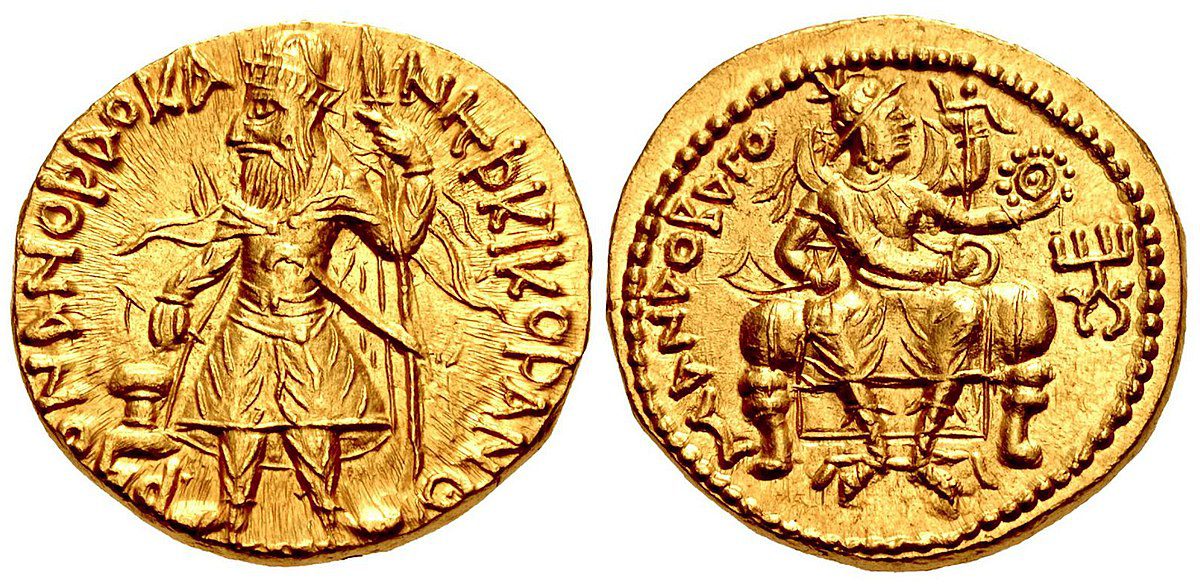
In Zoroastrian mythology, Vohu Manah holds a significant place as one of the key concepts representing divine attributes. The name itself translates to “Good Mind” or “Good Purpose,” which embodies the essence of wisdom and benevolence in the teachings of Zoroastrianism. Vohu Manah is not merely a passive trait; it actively influences the way individuals think and act. This divine spirit encourages followers to embrace positivity and righteousness in their lives, guiding them toward the path of truth and light.
The Role of Vohu Manah in Zoroastrianism
Vohu Manah is one of the Holy Immortals (Amesha Spentas) in Zoroastrian belief, which are divine entities created by Ahura Mazda, the supreme god in Zoroastrianism. Each of these immortals embodies a specific aspect of creation and morality. Vohu Manah specifically represents the divine quality of goodness and intellect. His role is to inspire humans to seek wisdom and to act with kindness towards all living beings. Through this divine guidance, individuals are encouraged to cultivate a pure heart and a clear mind, which are essential for leading a virtuous life.
 Saoshyant
Moreover, Vohu Manah plays a crucial part in the cosmic battle between good and evil. In Zoroastrian cosmology, the universe is seen as a battleground where the forces of Ahura Mazda confront the malevolent spirit Angra Mainyu. Vohu Manah, as a representation of good thoughts, serves as a counterforce to the negativity and chaos introduced by Angra Mainyu. By embodying the principles of love and harmony, Vohu Manah encourages humans to make choices that align with the forces of good, thus contributing to the ongoing struggle for righteousness.
Symbolism of Vohu Manah
The symbolism of Vohu Manah extends beyond mere representation of good thoughts. In Zoroastrian tradition, he is often associated with various elements that reflect his qualities. For instance, cattle are considered a sacred symbol of Vohu Manah, representing abundance and the nurturing aspects of nature. Cattle provide sustenance and are seen as a gift from the divine, highlighting the importance of caring for and respecting all living beings. This connection to cattle emphasizes the Zoroastrian principle of environmental stewardship and the responsibility of humans to maintain balance in nature.
 Rashnu
Additionally, Vohu Manah is linked to the concept of fire, which is a central element in Zoroastrian worship. Fire symbolizes purity and the divine presence of Ahura Mazda. Vohu Manah’s association with fire signifies the enlightenment that comes from wisdom and good thoughts. Just as fire dispels darkness, Vohu Manah illuminates the mind, encouraging individuals to reject ignorance and embrace knowledge. This dual symbolism of cattle and fire underlines the harmony between nurturing the earth and seeking spiritual enlightenment.
The Teachings of Vohu Manah
The teachings associated with Vohu Manah emphasize the importance of ethical behavior and the cultivation of a virtuous character. Zoroastrian texts encourage followers to practice honesty, kindness, and compassion, all of which are qualities embodied by Vohu Manah. By adopting these values, individuals can contribute positively to society and foster a sense of community. The teachings also stress the significance of self-reflection and introspection, urging individuals to examine their thoughts and actions regularly.
Furthermore, Vohu Manah advocates for the pursuit of knowledge and understanding. In a world filled with distractions and misinformation, the ability to think critically and make informed decisions is paramount. Vohu Manah encourages individuals to seek truth and wisdom in their lives, promoting education and intellectual growth. This pursuit of knowledge is not only for personal development but also for the betterment of society as a whole. By fostering a culture of learning, Zoroastrians can uphold the values of Vohu Manah and contribute to a more enlightened world.
 Mithra
Vohu Manah in Rituals and Practices
In Zoroastrian rituals, Vohu Manah is often invoked as a source of inspiration and guidance. Devotees may recite prayers and hymns that honor his qualities, seeking his blessings for clarity of mind and purity of heart. These rituals serve as a reminder of the importance of maintaining good thoughts and intentions in daily life. By engaging in these practices, Zoroastrians aim to align themselves with the divine attributes of Vohu Manah and strengthen their connection to Ahura Mazda.
Additionally, the concept of Vohu Manah is integrated into various life milestones and celebrations within the Zoroastrian community. For instance, during weddings, couples may invoke Vohu Manah to bless their union with love and understanding. Similarly, during rites of passage such as Navjote (the initiation ceremony for children), the qualities of Vohu Manah are highlighted, encouraging the younger generation to embody these principles as they grow. Through these rituals, the teachings of Vohu Manah are passed down, ensuring that future generations remain connected to their spiritual heritage.
Vohu Manah and Modern Zoroastrianism
In contemporary Zoroastrian communities, the essence of Vohu Manah remains relevant as followers navigate the challenges of modern life. The principles of good thoughts and ethical living continue to resonate, encouraging individuals to engage in social justice and environmental conservation. Many Zoroastrians are actively involved in initiatives that promote sustainability and protect the planet, reflecting the teachings of Vohu Manah in a modern context.
Moreover, Vohu Manah’s emphasis on knowledge and education has led many Zoroastrians to pursue higher learning and professional development. The community values intellectual achievement and encourages its members to contribute positively to society through their respective fields. This commitment to education and ethical behavior aligns with the core teachings of Vohu Manah, reinforcing the belief that individuals can make a meaningful impact in the world.
The Influence of Vohu Manah on Personal Development
Vohu Manah serves as a powerful influence on personal development within Zoroastrianism. His teachings encourage individuals to cultivate a strong moral compass and to reflect on their actions regularly. By prioritizing good thoughts and intentions, followers are motivated to strive for personal excellence and to contribute positively to their communities. This focus on self-improvement aligns with the broader Zoroastrian belief in the importance of individual responsibility in the cosmic battle between good and evil.
Additionally, Vohu Manah’s emphasis on compassion and kindness fosters a sense of empathy among individuals. By encouraging followers to think of others and act with love, Vohu Manah promotes a culture of support and understanding. This sense of community is vital for personal growth, as individuals often thrive in environments where they feel connected and valued. The teachings of Vohu Manah thus create a framework for personal development that is grounded in love, respect, and a commitment to doing good.
Vohu Manah is a central figure in Zoroastrian mythology, representing the principles of good thoughts and ethical behavior. His teachings encourage followers to cultivate wisdom, compassion, and a sense of responsibility toward the world around them. Through rituals and practices, the qualities of Vohu Manah are celebrated and integrated into the lives of Zoroastrians, ensuring that his influence remains strong even in modern times. By embracing the teachings of Vohu Manah, individuals can strive for personal excellence and contribute positively to society, embodying the essence of Zoroastrianism in their daily lives.