
Areskoui is a significant figure in Native American mythology, particularly among the Algonquin tribes. This deity is often associated with the elements of nature, and many stories surrounding Areskoui highlight the importance of the natural world in the lives of the tribes. The tales of Areskoui serve as a reminder of the balance between humans and nature, illustrating how the two are intertwined. In this article, we will explore the various aspects of Areskoui, including his characteristics, stories, and the lessons these tales impart to the communities that revere him.
The Nature of Areskoui
Areskoui is often depicted as a powerful spirit or god, embodying the forces of nature. His character is complex, representing both the benevolent and destructive aspects of the natural world. This duality is a common theme in many Native American mythologies, where deities are not strictly good or evil but instead reflect the complexities of life itself. Areskoui is known to bring both abundance and challenges to the people, reminding them of the delicate balance that exists within the environment.
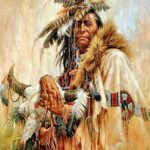 Wonomi
In many stories, Areskoui is associated with hunting and agriculture. He is revered as a provider, ensuring that the tribes have enough resources to survive. However, his temperament can change quickly, demonstrating the unpredictability of nature. This aspect of Areskoui serves as a lesson for the tribes, emphasizing the importance of respecting the land and its resources. The Algonquin people often prayed to Areskoui for guidance and protection, hoping to maintain harmony with the natural world.
Legends and Stories
The legends of Areskoui are rich and varied, often passed down through generations. One of the most well-known stories involves Areskoui’s interaction with the first humans. According to the tale, he created the land and its resources, teaching the people how to hunt and gather food. He showed them which plants were safe to eat and how to track animals. This guidance was crucial for the survival of the tribes, as it allowed them to live in harmony with their surroundings.
Another important story features Areskoui battling a rival spirit that sought to disrupt the balance of nature. This rival, often depicted as a trickster figure, represented chaos and destruction. The conflict between Areskoui and this spirit highlights the ongoing struggle between order and chaos in the world. In the end, Areskoui prevailed, restoring balance to the land. This victory is celebrated in various rituals and ceremonies, where the tribes express their gratitude for Areskoui’s protection and guidance.
 Wishpoosh
Symbolism and Representation
Areskoui is often represented in various forms of art and ritual. His symbolism is deeply connected to the elements of earth, water, air, and fire. Each of these elements plays a crucial role in the survival of the tribes, and Areskoui embodies their power. For instance, the element of water is often associated with life and sustenance, while fire represents transformation and renewal. The balance of these elements is essential for the health of the land and its people, and Areskoui is seen as the guardian of this balance.
In artistic representations, Areskoui is sometimes depicted with animals that are sacred to the tribes. These animals, such as the eagle and the bear, symbolize strength, courage, and wisdom. By associating Areskoui with these creatures, the tribes reinforce the idea that he is a powerful protector who watches over them. These images serve not only as a form of worship but also as a reminder of the interconnectedness of all living beings within the ecosystem.
Rituals and Ceremonies
The worship of Areskoui is often expressed through various rituals and ceremonies that honor the spirit and seek his favor. These rituals are typically performed during significant times of the year, such as the beginning of the hunting season or the planting of crops. During these ceremonies, the tribes come together to offer prayers, songs, and dances that celebrate Areskoui and express their gratitude for the resources he provides.
 Weywot
- Harvest Festivals: One of the most important ceremonies is the harvest festival, where the tribes give thanks for the abundance of crops. Offerings of food and gifts are made to Areskoui, demonstrating their appreciation for his blessings.
- Hunting Rituals: Before embarking on a hunting expedition, hunters often perform rituals to seek Areskoui’s guidance. These rituals may include offerings of tobacco or other sacred items, as well as prayers for a successful hunt.
- Seasonal Changes: The changing of the seasons is another time for celebration. The tribes honor Areskoui during these transitions, acknowledging the cyclical nature of life and the importance of adapting to the changes in the environment.
These rituals not only serve to honor Areskoui but also strengthen the bonds within the community. They provide an opportunity for storytelling, where elders pass down the legends of Areskoui to the younger generations. This transmission of knowledge is vital for maintaining the cultural identity of the tribes and ensuring that the teachings of Areskoui continue to resonate in their lives.
The Role of Areskoui in Daily Life
Areskoui’s influence extends beyond rituals and stories; he plays a significant role in the daily lives of the tribes. The teachings and values associated with Areskoui guide the people in their interactions with nature and each other. For instance, the importance of respecting the land and its resources is a core principle that is often attributed to Areskoui. This respect manifests in sustainable practices, such as only taking what is needed and giving back to the earth.
Additionally, Areskoui serves as a symbol of resilience and adaptability. The tribes often look to his stories during difficult times, finding inspiration in his ability to overcome challenges and restore balance. This perspective helps the community navigate their struggles, reminding them that they, too, can endure and thrive in the face of adversity. The values instilled by Areskoui are essential for fostering a sense of unity and purpose among the tribes.
Comparative Mythology
When examining Areskoui within the broader context of Native American mythology, one can draw parallels with other deities and spirits from different cultures. Many indigenous traditions feature a god or spirit who embodies nature and its forces. For example, in some Native American tribes, there are figures like Glooscap, who is a creator and culture hero. Like Areskoui, Glooscap teaches the people about living in harmony with the environment.
Similarly, in other mythologies around the world, we find gods who represent nature’s duality. In Greek mythology, for instance, Demeter is the goddess of the harvest and agriculture, embodying the nurturing aspect of nature, while Poseidon represents the chaotic and destructive forces of the sea. These comparisons illustrate a universal theme in mythology: the need to understand and respect the natural world.
Modern Interpretations
In contemporary society, the stories of Areskoui continue to resonate with many people, particularly those interested in environmentalism and sustainability. As modern challenges such as climate change and habitat destruction become more pressing, the teachings associated with Areskoui offer valuable insights. The emphasis on balance and respect for nature is increasingly relevant, as communities seek to find sustainable ways to coexist with the environment.
Furthermore, the resurgence of interest in Native American cultures has led to a renewed appreciation for the mythology surrounding Areskoui. Educational programs and cultural events often highlight the importance of these stories, fostering a deeper understanding of the values they represent. Through storytelling, art, and community engagement, the legacy of Areskoui continues to inspire individuals to reflect on their relationship with nature.
The Importance of Preservation
As with many aspects of indigenous cultures, the stories and teachings of Areskoui face the threat of being forgotten. The loss of language and traditional practices can lead to a disconnection from these vital teachings. Therefore, preserving the stories of Areskoui is essential for maintaining the cultural heritage of the tribes. Efforts to document these myths, promote language revitalization, and encourage intergenerational storytelling are crucial for ensuring that Areskoui’s legacy endures.
Community initiatives aimed at preserving Native American mythology often involve collaboration between elders and younger generations. These programs provide a platform for sharing knowledge and experiences, fostering a sense of pride in cultural identity. By engaging in these practices, the tribes can keep the teachings of Areskoui alive, ensuring that future generations understand the importance of their connection to the land and the lessons imparted by this powerful spirit.
Areskoui stands as a testament to the rich tapestry of Native American mythology. His stories reflect the profound relationship between humans and nature, emphasizing the importance of balance, respect, and resilience. Through rituals, art, and community engagement, the teachings of Areskoui continue to inspire and guide the tribes, reminding them of their responsibility to the land and each other. As we explore and celebrate these myths, we also honor the enduring legacy of Areskoui and the wisdom he imparts.