
The Tsohanoai is a significant figure in Navajo mythology, representing a powerful deity associated with various aspects of life and the natural world. This mythological figure is often depicted as a dual character, embodying both light and darkness, which reflects the balance inherent in the Navajo belief system. Tsohanoai is seen as a creator and a trickster, influencing the world in many ways. The stories surrounding Tsohanoai are rich in symbolism and serve as an essential part of the Navajo cultural heritage.
The Origin of Tsohanoai
The origins of Tsohanoai are deeply rooted in the creation stories of the Navajo people. According to these myths, Tsohanoai was born from the union of the Earth and the Sky. This duality symbolizes the balance between opposing forces. The Navajo believe that Tsohanoai emerged during a time of great chaos, when the world was not yet formed. His birth marked the beginning of order and structure in the universe. This narrative emphasizes the importance of harmony in Navajo cosmology, where every being and element has a role to play.
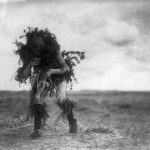 Tonenili
Tsohanoai is often described as having two sides: one representing light and the other representing darkness. This duality is essential in understanding his character and the lessons he imparts. The light side is associated with creation, growth, and life, while the dark side symbolizes challenges, obstacles, and death. The Navajo view these two aspects not as opposing forces, but rather as complementary elements that together create balance in the world. This belief is reflected in various aspects of Navajo life, including their rituals, ceremonies, and daily practices.
The Role of Tsohanoai in Navajo Culture
Tsohanoai plays a vital role in the Navajo culture, influencing their traditions, ceremonies, and worldview. As a creator deity, he is often invoked during rituals to ensure harmony and balance within the community. The Navajo people believe that by honoring Tsohanoai, they can maintain a connection with the spiritual world and promote well-being in their lives. This connection is crucial, as it reinforces their understanding of the relationship between humans and nature.
In many Navajo ceremonies, Tsohanoai is recognized as a guiding force that helps individuals navigate through life’s challenges. His teachings emphasize the importance of resilience and adaptability. The stories of Tsohanoai often include lessons about overcoming difficulties, making wise choices, and respecting the natural world. These narratives serve as moral guides for the Navajo people, encouraging them to live in harmony with their surroundings and with one another.
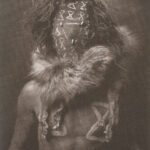 Tobadzistsini
Stories and Legends of Tsohanoai
The tales of Tsohanoai are numerous and varied, each offering a unique perspective on his character and teachings. One popular story tells of how Tsohanoai created the first humans. According to this legend, he molded them from the earth and breathed life into them. This act symbolizes the deep connection between humans and the land, highlighting the belief that people are a part of nature rather than separate from it. This narrative reinforces the idea that humans have a responsibility to care for the earth and live in harmony with all living beings.
Another significant story involves Tsohanoai’s encounter with the trickster figure, Coyote. In this tale, Tsohanoai and Coyote engage in a series of challenges that test their wit and strength. The competition between these two characters showcases the duality of existence, where intelligence and cunning can triumph over brute strength. This story is often told to illustrate the importance of wisdom and strategy in overcoming life’s obstacles. It teaches that while challenges may arise, one can navigate through them with cleverness and resourcefulness.
The Symbolism of Tsohanoai
Tsohanoai embodies various symbols that are integral to Navajo mythology. His dual nature represents the balance between light and dark, creation and destruction, life and death. This duality is reflected in the natural world, where day turns to night, and seasons change. The Navajo people recognize that these cycles are essential for growth and renewal. Tsohanoai serves as a reminder that both positive and negative experiences are part of life, and it is through these experiences that individuals learn and grow.
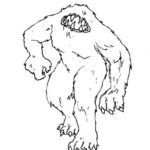 Thelgeth
Additionally, Tsohanoai is often associated with the elements of nature. He is linked to the sun, which symbolizes life, warmth, and growth. The sun’s journey across the sky is seen as a representation of Tsohanoai’s influence in the world. The changing seasons, with their cycles of planting, harvesting, and rest, also reflect his role as a creator. The Navajo people celebrate these cycles through various ceremonies, honoring Tsohanoai and the life-giving forces he represents.
Tsohanoai and Navajo Ceremonies
Navajo ceremonies are deeply intertwined with the worship of Tsohanoai. These rituals often involve offerings, prayers, and songs that invoke his presence and blessings. One of the most significant ceremonies is the Blessingway, which focuses on restoring balance and harmony within individuals and the community. During this ceremony, participants seek the guidance of Tsohanoai to help them overcome personal challenges and achieve a sense of peace.
Another important ceremony is the Night Chant, which involves a series of rituals performed over several days. This ceremony is designed to heal individuals and the community, emphasizing the interconnectedness of all beings. Tsohanoai’s presence is invoked throughout the Night Chant, reinforcing his role as a protector and guide. The songs and prayers recited during these ceremonies often tell the stories of Tsohanoai, helping to pass down the teachings and values associated with him from one generation to the next.
The Legacy of Tsohanoai
The legacy of Tsohanoai continues to thrive within the Navajo community. His stories and teachings are passed down through oral tradition, ensuring that future generations understand the importance of balance and harmony in their lives. Tsohanoai serves as a cultural symbol that reflects the values and beliefs of the Navajo people. His influence can be seen in various aspects of their daily lives, from their connection to nature to their approach to community and family.
Furthermore, Tsohanoai’s teachings extend beyond the Navajo culture, offering universal lessons about resilience, balance, and respect for the natural world. In a time when many face challenges related to environmental degradation and social disconnection, the teachings of Tsohanoai resonate with a broader audience. His stories encourage individuals to reflect on their relationship with the earth and with one another, promoting a sense of responsibility and interconnectedness.
The figure of Tsohanoai in Navajo mythology is a profound representation of the complexities of life. Through his stories, the Navajo people find guidance, wisdom, and a deeper understanding of their place in the world. The teachings of Tsohanoai remind us of the importance of balance, the significance of our connections to nature, and the resilience needed to navigate life’s challenges. As the Navajo continue to honor Tsohanoai through their ceremonies and traditions, his legacy remains a vital part of their cultural identity.