
Eleguá is a prominent figure in Caribbean mythology, particularly within the Afro-Cuban religious tradition known as Santería. He is often considered the guardian of the crossroads and serves as a messenger between the human world and the divine. In many stories, Eleguá is depicted as a child or a young man, symbolizing his playful and mischievous nature. His role is crucial as he is the one who opens and closes the paths for individuals, influencing their destinies. The significance of Eleguá goes beyond mere representation; he embodies the complexities of life choices and the importance of respecting the forces that govern existence.
Origins of Eleguá
The origins of Eleguá can be traced back to the Yoruba religion, which originated in West Africa. As African slaves were brought to the Caribbean, they carried their beliefs with them, blending them with local traditions and Catholicism. This syncretism led to the development of Santería, where Eleguá became associated with various saints. For example, he is often linked to Saint Anthony of Padua due to their shared attributes of guidance and protection. This blending of cultures highlights how Eleguá transcends geographical boundaries and continues to be a vital part of the Caribbean spiritual landscape.
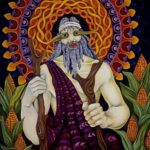 Babalú Ayé
In Yoruba mythology, Eleguá is known as Eshu, a trickster god who governs communication and the flow of life. His character embodies duality; he is both a protector and a disruptor. This dual nature is essential, as it illustrates that life is not always straightforward. Eleguá teaches that challenges and obstacles are part of the journey, and navigating them wisely is crucial for personal growth. This aspect of his personality resonates deeply with those who seek guidance in their lives, as it reminds them that every choice carries weight and consequences.
Attributes and Symbols of Eleguá
Eleguá is often depicted with distinctive attributes that reflect his role in mythology. He is commonly shown holding a key, which symbolizes his power to open and close the paths of life. The key represents opportunities and choices, emphasizing the importance of decision-making in one’s journey. Additionally, Eleguá is frequently associated with a cane or a stick, representing strength and authority. His playful nature is also depicted through his child-like appearance, reminding followers that joy and mischief are integral parts of existence.
Another significant symbol associated with Eleguá is the crossroads. The crossroads represent the various paths one can take in life, embodying the choices that shape individual destinies. In many rituals, followers will place offerings at a crossroads to seek Eleguá’s favor and guidance. These offerings can include food, coins, and other items that reflect gratitude and respect. The act of leaving offerings at the crossroads serves as a reminder of the importance of acknowledging the forces that influence our lives and the need to seek balance in our decisions.
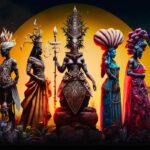 Orichas
The Role of Eleguá in Rituals
Eleguá plays a central role in various rituals within Santería and other Afro-Caribbean religions. Before any ceremony or spiritual work can begin, it is customary to invoke Eleguá. This is done to ensure that the paths are open for communication with the spirits and to seek his protection. Rituals often involve offerings and prayers, expressing gratitude for his guidance and asking for assistance in navigating life’s challenges. The importance of Eleguá in rituals underscores his status as a key figure in the spiritual hierarchy, as he acts as a bridge between the human realm and the divine.
During ceremonies, Eleguá is often represented by a small statue or a drawing, adorned with colorful beads and other decorations. These representations serve as focal points for worship and are treated with great respect. Followers may also sing songs or recite prayers dedicated to Eleguá, invoking his presence and blessings. The connection between the worshippers and Eleguá is strengthened through these rituals, fostering a sense of community and shared belief in the power of the divine.
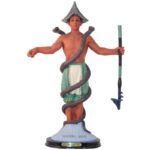 Inle
InleEleguá in Popular Culture
Eleguá’s influence extends beyond religious practices and into popular culture. He has been featured in various forms of art, music, and literature, reflecting the rich tapestry of Caribbean heritage. Artists often depict him in vibrant colors, capturing his playful spirit and multifaceted nature. Music inspired by Eleguá often incorporates traditional rhythms and themes, celebrating his role as a trickster and a guide. These artistic expressions serve to keep the stories and teachings of Eleguá alive, ensuring that future generations remain connected to their cultural roots.
In literature, Eleguá’s character is explored through various narratives that highlight his importance in decision-making and the complexities of life. Authors often use his figure as a metaphor for the choices individuals face, illustrating how the crossroads of life can lead to unexpected outcomes. This representation not only honors Eleguá but also serves as a reminder of the significance of personal agency in shaping one’s destiny.
The Significance of Eleguá in Daily Life
For many followers of Santería and Afro-Caribbean traditions, Eleguá is not just a mythological figure but a part of their daily lives. People often turn to him for guidance when faced with difficult decisions, seeking clarity and direction. The act of invoking Eleguá can provide a sense of comfort and reassurance, as individuals feel connected to a greater spiritual force. This relationship is cultivated through daily prayers, offerings, and reflections on one’s choices, reinforcing the idea that life is a continuous journey of learning and growth.
In addition to seeking guidance, many individuals also honor Eleguá through acts of service and community engagement. This can involve helping others, participating in community events, or simply being present for friends and family. By embodying the values that Eleguá represents—such as joy, communication, and the importance of choice—followers create a positive impact in their communities. This practice not only strengthens their connection to Eleguá but also fosters a sense of unity and support among individuals.
Eleguá and the Crossroads of Life
The symbolism of the crossroads is central to the teachings of Eleguá. In life, individuals often find themselves at crossroads, faced with decisions that can alter their paths significantly. Eleguá’s role as the guardian of these crossroads serves as a reminder that every choice carries consequences, and it is essential to approach decisions with mindfulness and intention. Followers are encouraged to reflect on their choices and seek guidance from Eleguá, understanding that he is there to support them in navigating life’s complexities.
At the crossroads, one can also find opportunities for transformation and growth. Eleguá teaches that challenges are not merely obstacles but opportunities for learning and development. By embracing the uncertainties of life, individuals can discover new paths and possibilities. This perspective encourages a sense of resilience and adaptability, reminding followers that they have the power to shape their destinies through their choices and actions.
Eleguá is a vital figure in Caribbean mythology, representing the complexities of choice, communication, and the journey of life. His attributes, symbols, and roles in rituals highlight the importance of honoring the forces that influence our lives. Through art, literature, and daily practices, Eleguá’s teachings continue to resonate with individuals, guiding them in their personal journeys. As a guardian of the crossroads, Eleguá remains a symbol of hope, resilience, and the power of choice, reminding us all that we are the architects of our destinies.