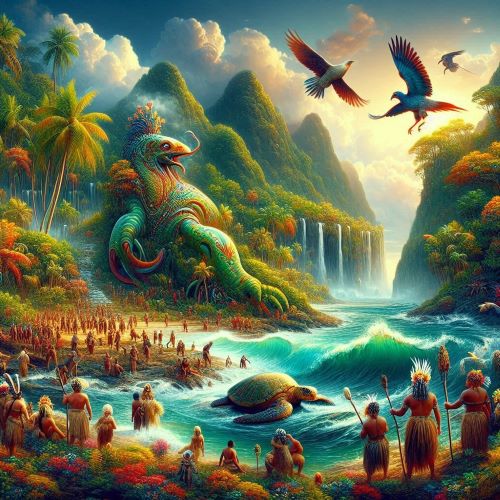
Kamarong is a fascinating figure in Melanesian mythology, particularly within the cultural narratives of the Solomon Islands and Vanuatu. This mythological being is often depicted as a powerful spirit associated with the natural world, embodying elements of both creation and destruction. The stories surrounding Kamarong vary from one island to another, showcasing the rich tapestry of beliefs and traditions that exist in the Melanesian region. These tales often serve to explain natural phenomena, human behavior, and the relationship between people and their environment.
The Origins of Kamarong
The origins of Kamarong are deeply rooted in the ancient stories passed down through generations. In many versions of the mythology, Kamarong is considered a creator figure, responsible for shaping the land and its inhabitants. The narratives suggest that Kamarong emerged from the primordial waters, bringing forth life and establishing the balance of nature. This connection to the waters is significant, as it symbolizes both the life-giving and destructive forces of nature.
 Kakamora
In some accounts, Kamarong is described as having a dual nature, embodying both benevolent and malevolent qualities. This duality reflects the complexities of the natural world, where creation and destruction coexist. For example, while Kamarong may bring forth rain to nourish crops, the same spirit can also unleash storms that devastate villages. This aspect of Kamarong serves as a reminder of the unpredictable forces of nature and the importance of respecting the environment.
Different Interpretations Across Islands
- In the Solomon Islands, Kamarong is often viewed as a guardian spirit.
- In Vanuatu, the stories emphasize Kamarong’s role in creation myths.
- Some islands depict Kamarong as a trickster figure.
The interpretation of Kamarong can differ significantly depending on the island. In the Solomon Islands, Kamarong is frequently seen as a guardian spirit who protects the land and its people. This protective aspect is celebrated in various rituals and ceremonies, where the community seeks Kamarong’s blessings for good harvests and safe travels. These practices highlight the importance of community and the collective relationship with nature.
 Kahausibware
Conversely, in Vanuatu, Kamarong is more prominently featured in creation myths. Here, the stories often focus on the creation of the islands themselves and the birth of the first humans. These narratives emphasize Kamarong’s role as a powerful creator, showcasing the belief that the spirit’s actions directly influenced the landscape and the lives of the people. Such myths are integral to the cultural identity of the communities in Vanuatu, reinforcing their connection to the land.
Kamarong and Nature
The relationship between Kamarong and nature is a central theme in Melanesian mythology. Kamarong is often depicted as a being who has control over natural elements, such as water, wind, and earth. This connection underscores the belief that humans are not separate from nature but are deeply intertwined with it. In many stories, Kamarong’s actions reflect the delicate balance that exists within ecosystems, reminding people of their responsibility to protect and preserve the environment.
One of the most striking aspects of Kamarong’s relationship with nature is the spirit’s ability to influence weather patterns. Communities often attribute changes in weather, such as prolonged droughts or sudden storms, to Kamarong’s mood or actions. This belief fosters a sense of reverence for the natural world, as people recognize that their survival is linked to the well-being of the environment. Rituals and offerings are commonly made to Kamarong to appease the spirit and ensure favorable conditions for agriculture and fishing.
 Jugumishanta
Rituals and Offerings
- Offerings of food and flowers are common.
- Communal ceremonies often take place during planting seasons.
- Storytelling sessions serve to pass down the myths.
To honor Kamarong, many communities engage in specific rituals and offerings. These practices often include presenting offerings of food, flowers, and other tokens of appreciation. Such offerings are believed to please Kamarong and invite blessings upon the land. These rituals are particularly important during planting seasons when the community seeks Kamarong’s favor for a bountiful harvest.
In addition to offerings, communal ceremonies are frequently organized to celebrate Kamarong and the changing seasons. These events provide an opportunity for the community to come together, share stories, and reinforce their cultural identity. During these gatherings, elders often recount the myths surrounding Kamarong, ensuring that the knowledge is passed down to younger generations. This storytelling aspect is vital, as it helps preserve the rich oral traditions of Melanesian cultures.
Kamarong as a Symbol of Resilience
Kamarong also serves as a symbol of resilience in the face of adversity. The stories often depict the spirit overcoming challenges and restoring balance after periods of chaos. This aspect of Kamarong resonates deeply with the people of Melanesia, who have faced numerous challenges, including natural disasters and social upheaval. The tales of Kamarong’s strength and determination inspire communities to persevere and adapt in the face of difficulties.
In times of crisis, the figure of Kamarong becomes a source of hope and guidance. Communities turn to these stories to find comfort and strength, reminding themselves of the spirit’s ability to navigate through tumultuous times. This connection to Kamarong reinforces the idea that resilience is a shared value among the people, fostering unity and solidarity within communities. The tales serve as a reminder that, like Kamarong, they too can overcome challenges and emerge stronger.
The Role of Kamarong in Modern Society
- Continued relevance in cultural practices.
- Inspiration for contemporary art and literature.
- Promotion of environmental awareness.
Despite the passage of time, Kamarong remains a relevant figure in modern society. Many communities continue to incorporate Kamarong into their cultural practices, ensuring that the spirit’s stories are not forgotten. Festivals, art, and literature often draw inspiration from Kamarong, reflecting the ongoing significance of this mythological figure. Artists and writers explore themes related to Kamarong, using the spirit as a symbol of cultural identity and resilience.
Furthermore, the stories of Kamarong have gained attention in discussions surrounding environmental awareness. As communities face the impacts of climate change and environmental degradation, the lessons embedded in Kamarong’s tales become increasingly important. They remind people of the need to protect the natural world and live in harmony with their surroundings. The figure of Kamarong serves as a powerful reminder that respecting nature is essential for the well-being of future generations.
Kamarong in Education
The tales of Kamarong also play a crucial role in education within Melanesian communities. Schools often incorporate these myths into their curricula, teaching students about their cultural heritage and the values that Kamarong represents. By learning about Kamarong, students gain insight into their identity and the importance of preserving their traditions. This educational approach helps foster a sense of pride in their cultural background and encourages the younger generation to carry forward these stories.
In addition to formal education, community workshops and storytelling sessions are common. These gatherings provide opportunities for elders to share their knowledge and experiences with younger members of the community. Through these interactions, students learn not only about Kamarong but also about the broader cultural context in which these stories exist. This form of education is vital for keeping traditions alive and ensuring that the wisdom of past generations continues to inform the present.
Global Recognition of Melanesian Mythology
- Increased interest in indigenous cultures.
- Academic research on Kamarong and similar figures.
- Global storytelling initiatives.
In recent years, there has been a growing global interest in indigenous cultures, including Melanesian mythology. Kamarong has gained recognition beyond its local context, attracting the attention of scholars, artists, and cultural enthusiasts worldwide. Academic research has explored the significance of Kamarong within the broader framework of Melanesian mythology, shedding light on the rich narratives that shape these communities.
Moreover, global storytelling initiatives have emerged, allowing the tales of Kamarong to reach diverse audiences. These initiatives aim to promote understanding and appreciation of indigenous cultures, showcasing the importance of preserving their stories. By sharing Kamarong’s tales on international platforms, communities can foster cross-cultural dialogue and highlight the relevance of their myths in today’s world.
The Future of Kamarong in Melanesian Culture
The future of Kamarong in Melanesian culture is closely tied to the ongoing efforts to preserve and promote indigenous traditions. As younger generations engage with their cultural heritage, the stories of Kamarong are likely to continue evolving. The adaptability of these myths allows them to remain relevant in a changing world, ensuring that Kamarong’s legacy endures.
Community initiatives aimed at revitalizing traditional practices are essential for the future of Kamarong. These efforts often involve collaboration between elders and youth, fostering a sense of shared responsibility for preserving cultural heritage. By actively participating in rituals, storytelling, and artistic expressions, younger generations can forge a deeper connection with Kamarong and the values it represents.
Embracing Change While Honoring Tradition
- Balancing modern influences with cultural practices.
- Encouraging intergenerational dialogue.
- Utilizing technology for cultural preservation.
As Melanesian communities navigate the complexities of modern life, embracing change while honoring tradition becomes crucial. The stories of Kamarong can adapt to reflect contemporary issues, allowing them to resonate with younger audiences. By balancing modern influences with cultural practices, communities can ensure that Kamarong remains a relevant and cherished figure.
Encouraging intergenerational dialogue is another key aspect of preserving Kamarong’s legacy. By fostering conversations between elders and youth, communities can bridge the gap between past and present, ensuring that the wisdom of tradition informs the future. This dialogue also allows for the incorporation of new ideas and perspectives, enriching the narratives surrounding Kamarong.
Additionally, technology can play a significant role in cultural preservation. Digital platforms offer opportunities for sharing stories, creating art, and connecting with broader audiences. By utilizing technology, communities can document and promote the tales of Kamarong, ensuring that they are accessible to future generations. This approach not only preserves cultural heritage but also celebrates the ongoing relevance of Kamarong in a rapidly changing world.