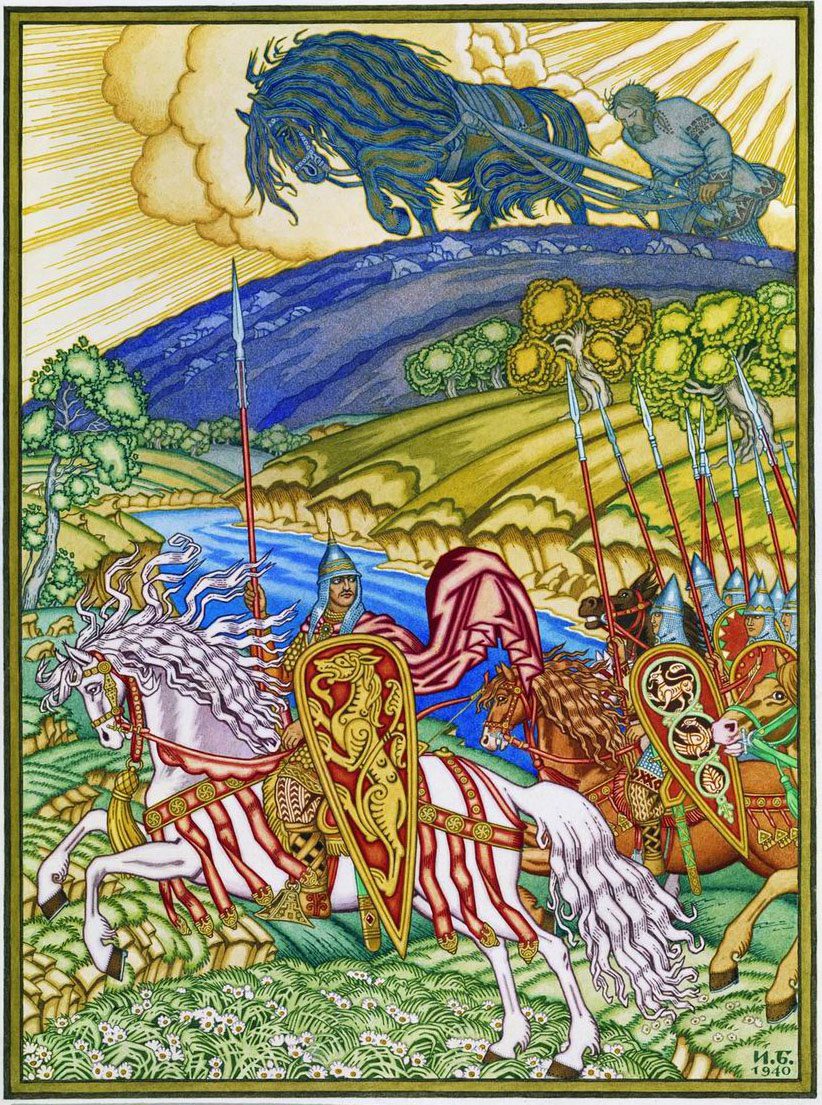
Mikula is a fascinating figure in Slavic mythology, representing a unique blend of folklore, tradition, and cultural identity. Often depicted as a strong and noble character, Mikula embodies the values and ideals of the Slavic people. His stories and adventures are rich with themes of bravery, honor, and the connection between humanity and nature. As we explore the world of Mikula, we will uncover various aspects of his character, the tales that surround him, and his significance in Slavic culture.
The Origins of Mikula
The origins of Mikula can be traced back to ancient Slavic traditions. He is often associated with the agricultural cycle, symbolizing the strength and resilience of the earth. Mikula is believed to be a protector of the land, ensuring that crops flourish and that the community thrives. The stories of his origins vary, but many share common elements that highlight his connection to nature and the elements.
 Mati Syra Zemlya
In some legends, Mikula is described as a giant or a mythical hero who roams the earth, using his immense strength to aid those in need. His character is often contrasted with other mythical figures, such as the cunning Vodyanoy or the treacherous Rusalka. These contrasts serve to highlight Mikula’s role as a protector and a guardian, emphasizing the values of loyalty and bravery that are central to Slavic folklore.
The tales of Mikula often feature themes of transformation and redemption. In many stories, he undergoes trials that test his character and strength. These trials are not only physical but also moral, challenging him to make choices that reflect his core values. This aspect of his character resonates with audiences, as it mirrors the struggles and challenges faced by individuals in their own lives.
Mikula in Folklore
Mikula appears in numerous folktales across various Slavic cultures. His stories are often recounted during gatherings, celebrations, and festivals, serving as a way to pass down traditions and values from one generation to the next. The narratives surrounding Mikula are rich in detail and often include vibrant descriptions of his adventures and encounters with other mythical beings.
 Orans
Orans- Heroic Quests: Many tales depict Mikula embarking on heroic quests to rescue those in danger or to restore balance to the natural world.
- Encounters with Creatures: Throughout his journeys, Mikula often encounters various mythical creatures, such as dragons, spirits, and other legendary figures.
- Lessons Learned: Each story typically concludes with a moral lesson, highlighting the importance of courage, integrity, and respect for nature.
One popular story involves Mikula battling a fearsome dragon that threatens a village. In this tale, Mikula’s strength and bravery are put to the test as he faces the dragon in an epic showdown. The villagers, who initially doubt Mikula’s abilities, come to realize the true nature of heroism as he risks his life to protect them. This narrative not only entertains but also serves as a reminder of the importance of believing in oneself and standing up for what is right.
Another tale tells of Mikula’s encounter with a mystical forest spirit. In this story, Mikula must navigate the challenges of the enchanted forest, where nothing is as it seems. The spirit tests Mikula’s resolve and wisdom, leading to a deeper understanding of the connection between humans and the natural world. This theme of harmony with nature is prevalent in many Slavic myths and underscores the cultural significance of the environment in Slavic traditions.
The Symbolism of Mikula
Mikula is rich in symbolism, representing various aspects of Slavic culture and values. His character embodies the ideals of strength, courage, and nobility, making him a role model for many. In a world where challenges and adversities are common, Mikula serves as a reminder of the power of perseverance and the importance of standing up for one’s beliefs.
 Mokosh
One of the most prominent symbols associated with Mikula is the harvest. As a protector of the land, he is often invoked during agricultural rituals and celebrations. Farmers would tell tales of Mikula to invoke his blessing, hoping for a bountiful harvest. This connection to agriculture highlights the importance of the earth and its resources in Slavic culture, as well as the deep respect the Slavic people have for nature.
Additionally, Mikula symbolizes the struggle against adversity. His tales often depict him overcoming great challenges, which resonates with the human experience of facing obstacles. Whether it’s a battle against a formidable foe or a quest to save a community, Mikula’s adventures serve as a metaphor for the resilience required to navigate life’s difficulties.
Mikula in Modern Culture
In contemporary times, Mikula continues to be a significant figure in Slavic culture. His stories have been adapted into various forms of media, including literature, theater, and film. These adaptations serve to keep the legend of Mikula alive, introducing his character to new generations and audiences around the world.
Moreover, Mikula’s influence can be seen in the art and crafts of Slavic communities. Many artists draw inspiration from his stories, creating works that depict his adventures and the themes associated with his character. This artistic expression not only preserves the legacy of Mikula but also serves as a means of cultural identity for the Slavic people.
- Literature: Numerous books and stories have been published that explore the life and adventures of Mikula, often with a modern twist.
- Theater: Plays and performances based on Mikula’s tales are popular in various cultural festivals, showcasing the richness of Slavic folklore.
- Art: Visual artists create paintings and sculptures that capture the essence of Mikula, often depicting his heroic deeds and connection to nature.
Additionally, Mikula has found a place in popular culture, often appearing in video games and animated series that draw from Slavic mythology. These modern interpretations allow a broader audience to engage with the stories of Mikula, fostering an appreciation for Slavic folklore and its enduring relevance in today’s world.
The Legacy of Mikula
The legacy of Mikula is profound, representing not just a character in mythology, but a symbol of cultural identity and resilience. His stories are a testament to the strength of the Slavic people and their deep-rooted connection to the land. Through the tales of Mikula, values such as bravery, loyalty, and respect for nature are passed down, ensuring that future generations continue to learn from these important lessons.
Mikula’s impact extends beyond folklore; he serves as a reminder of the importance of storytelling in preserving culture. The oral traditions surrounding Mikula play a crucial role in keeping Slavic heritage alive, as stories are shared and celebrated within communities. This ongoing tradition of storytelling fosters a sense of belonging and identity among the Slavic people, reinforcing the values that Mikula embodies.
In essence, Mikula represents the enduring spirit of Slavic mythology. His tales remind us of the power of courage and the importance of protecting our natural world. As we continue to explore and celebrate the stories of Mikula, we honor the rich tapestry of Slavic culture and ensure that these timeless lessons remain relevant for generations to come.
Mikula and Nature
One of the most significant aspects of Mikula’s character is his deep connection to nature. He is often portrayed as a guardian of the earth, representing the harmony that exists between humanity and the natural world. In many Slavic tales, Mikula is depicted as someone who understands the rhythms of nature and the importance of respecting its boundaries.
In several stories, Mikula’s adventures take place in lush forests, rolling hills, and fertile fields, emphasizing the beauty and abundance of the natural landscape. These settings serve not only as a backdrop for his heroic deeds but also as a reminder of the importance of preserving the environment. Mikula’s role as a protector of nature resonates with modern environmental movements, highlighting the timeless relevance of his character.
Moreover, Mikula’s interactions with various elements of nature, such as animals and plants, further illustrate his connection to the earth. He is often depicted as communicating with animals, understanding their needs, and working alongside them to achieve common goals. This aspect of his character emphasizes the idea of coexistence and the importance of nurturing the relationships between humans and the natural world.
Mikula’s Role in Festivals
Throughout Slavic cultures, Mikula plays a significant role in various festivals and celebrations. These events often coincide with agricultural cycles, such as planting and harvest seasons, and serve as a way to honor Mikula and seek his blessings. During these festivals, stories of Mikula are recounted, and traditional songs and dances are performed, celebrating his character and the values he represents.
One notable festival is the celebration of the spring equinox, where communities come together to welcome the new season. During this time, tales of Mikula’s adventures are shared, highlighting his role in ensuring a fruitful harvest. Participants engage in rituals that honor the earth, such as planting seeds and offering thanks for the abundance of nature. These practices reinforce the connection between Mikula and the agricultural cycle, emphasizing the importance of respecting and nurturing the land.
- Harvest Festivals: Mikula is often celebrated during harvest festivals, where communities come together to give thanks for the bounty of the earth.
- Spring Equinox: This festival marks the arrival of spring and is a time for storytelling, rituals, and honoring Mikula’s role as a protector of nature.
- Winter Solstice: During the winter solstice, tales of Mikula’s bravery and strength are recounted, serving as a source of inspiration during the cold months.
These festivals not only celebrate Mikula but also serve as a way for communities to come together, fostering a sense of unity and shared identity. They remind participants of the importance of tradition and the values that have been passed down through generations. By honoring Mikula during these celebrations, communities reinforce their connection to their cultural heritage and the natural world.
Mikula in Art and Literature
Mikula’s character has inspired a wealth of artistic expression across various mediums. From literature to visual arts, his stories and adventures continue to captivate audiences, highlighting the enduring appeal of Slavic mythology. Artists and writers draw from the rich tapestry of Mikula’s tales, creating works that explore his character and the themes associated with him.
In literature, numerous authors have retold Mikula’s stories, often incorporating modern elements while staying true to the essence of the original tales. These adaptations introduce Mikula to new audiences, ensuring that his legacy remains alive in contemporary culture. The themes of bravery, loyalty, and respect for nature resonate with readers, making Mikula a relatable and inspiring character.
Visual artists, too, have found inspiration in Mikula’s character. Paintings, sculptures, and illustrations often depict his adventures, showcasing his strength and connection to nature. These artistic interpretations serve as a celebration of Slavic folklore, allowing audiences to engage with the stories of Mikula in a visual format. Through art, Mikula’s legacy is preserved, and his character continues to inspire creativity and imagination.
Mikula’s Influence on Modern Storytelling
The influence of Mikula extends beyond traditional folklore, impacting modern storytelling in various ways. His character has found a place in contemporary narratives, appearing in films, television shows, and video games that draw from Slavic mythology. These adaptations not only introduce Mikula to a broader audience but also showcase the richness of Slavic culture and its timeless themes.
In film and television, Mikula is often portrayed as a heroic figure, embodying the ideals of courage and resilience. These adaptations take creative liberties, exploring new dimensions of his character while maintaining the core values that define him. This approach allows for a fresh interpretation of Mikula’s stories, making them accessible to modern audiences while honoring their cultural roots.
- Animated Series: Mikula has appeared in animated series that bring his adventures to life, captivating children and adults alike with vibrant storytelling.
- Video Games: Many video games incorporate elements of Slavic mythology, featuring Mikula as a character who embarks on epic quests and battles.
- Graphic Novels: Comic adaptations of Mikula’s tales offer a visual and narrative exploration of his character, appealing to a younger audience.
Through these modern adaptations, Mikula’s influence continues to grow, ensuring that his character remains relevant in today’s cultural landscape. By integrating Slavic mythology into contemporary storytelling, creators celebrate the rich heritage of the Slavic people while introducing new generations to the timeless lessons embodied by Mikula.
The Enduring Appeal of Mikula
The enduring appeal of Mikula lies in his embodiment of universal values and themes that resonate across cultures and generations. His stories reflect the human experience, showcasing the struggles and triumphs that individuals face in their lives. The themes of bravery, loyalty, and respect for nature are not confined to Slavic culture; they are values that resonate with people from all walks of life.
Moreover, Mikula’s character serves as a source of inspiration, encouraging individuals to embrace their strength and resilience in the face of adversity. His adventures remind us that we all have the capacity for greatness and that standing up for what is right is a noble pursuit. This message transcends cultural boundaries, making Mikula a relatable and inspiring figure for audiences around the world.
As we continue to explore and celebrate the stories of Mikula, we honor the rich heritage of Slavic mythology and the timeless lessons it imparts. Through literature, art, and modern storytelling, Mikula’s legacy will endure, ensuring that his character continues to inspire and captivate future generations. The tales of Mikula are not just stories; they are a celebration of cultural identity, resilience, and the enduring power of folklore.