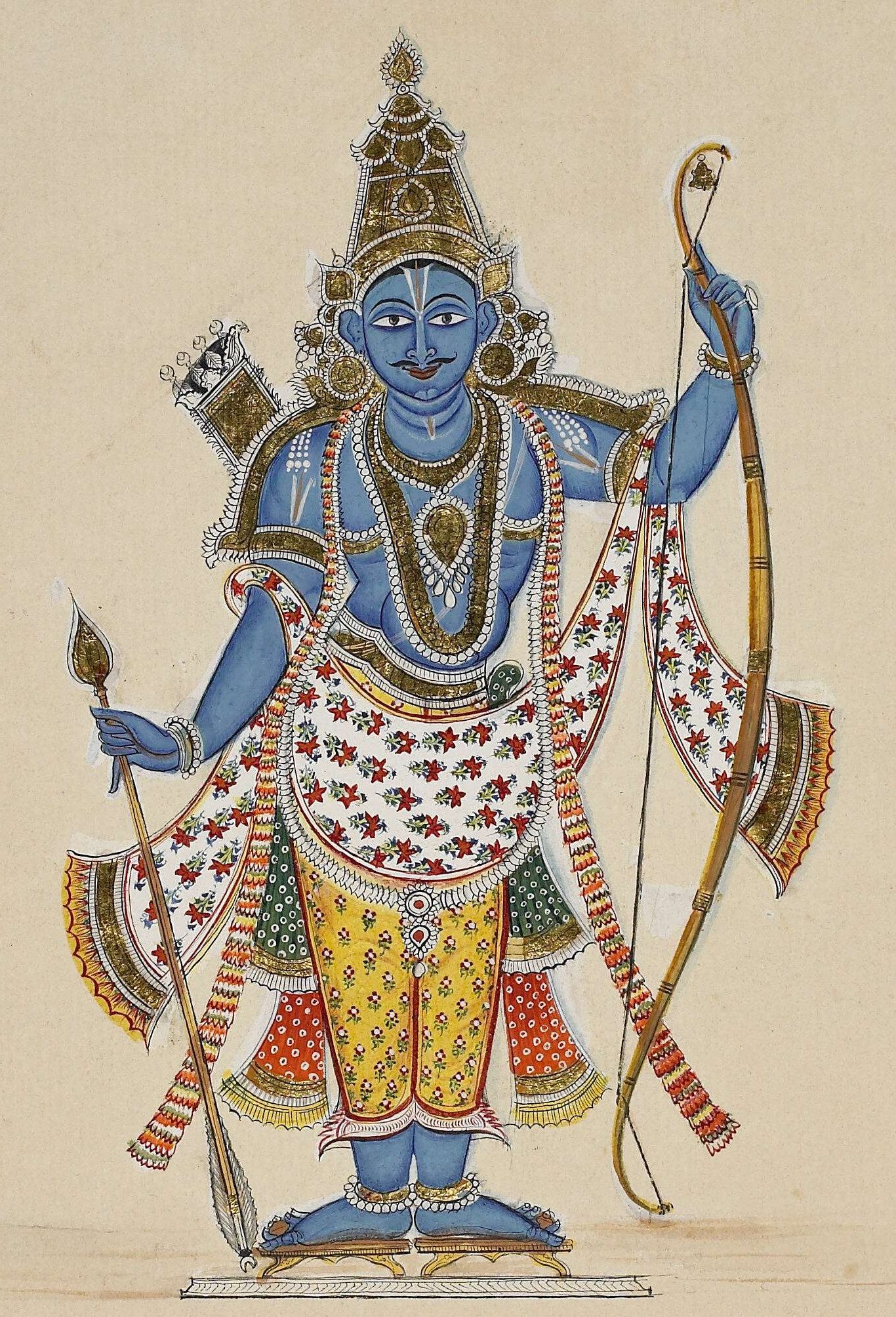
The concept of Rama holds a significant place in Hindu mythology, representing the ideals of dharma (righteousness) and virtue. Rama is often regarded as the seventh avatar of the god Vishnu, who is known for his role as the preserver of the universe. The tales of Rama are primarily narrated in the ancient epic, the Ramayana, which details his life, challenges, and triumphs. The story of Rama is not just a narrative; it embodies various teachings and moral lessons that resonate with people across different cultures and time periods.
The Birth of Rama
Rama was born to King Dasharatha and Queen Kausalya in the kingdom of Ayodhya. According to the Ramayana, Dasharatha was childless and performed a sacred ritual to please the gods. As a result of this ritual, he received a divine potion that allowed his queens to conceive. Rama was the firstborn of the four sons, followed by Lakshmana, Shatrughna, and Bhatrik. From an early age, Rama exhibited exceptional qualities, demonstrating bravery, intelligence, and a sense of justice. His birth was celebrated throughout Ayodhya, marking the arrival of a hero destined to uphold righteousness.
 Rakshasas
Rama’s upbringing was not just about physical prowess; it was also steeped in moral teachings. He was trained in the arts of warfare, archery, and governance. His education was overseen by the sage Vishwamitra, who recognized Rama’s potential and took him under his wing. Rama’s character was molded through rigorous training and exposure to various philosophies, emphasizing the importance of dharma and the responsibilities of a king. This early development laid the foundation for his future as a leader and a figure of inspiration.
The Exile of Rama
The turning point in Rama’s life came when his stepmother, Kaikeyi, influenced by her desire for her own son Bharata to inherit the throne, demanded that Rama be exiled for fourteen years. Dasharatha, bound by his promise to Kaikeyi, reluctantly agreed, despite his deep love for Rama. This moment was crucial as it highlighted the complexities of familial relationships and the harsh realities of adhering to one’s vows. Rama accepted his fate with grace, demonstrating his unwavering commitment to dharma and familial duty.
Accompanied by his devoted wife Sita and his loyal brother Lakshmana, Rama ventured into the forest, leaving behind the comforts of his royal life. This period of exile was marked by numerous challenges, including encounters with demons and other adversities. Despite the hardships, Rama remained steadfast, embodying the virtues of patience, resilience, and unwavering faith. His exile not only tested his character but also served as a transformative journey that deepened his understanding of life and its complexities.
 Rahu
RahuThe Abduction of Sita
One of the most significant events in Rama’s life was the abduction of Sita by the demon king Ravana. This incident occurred during their time in the forest when Rama and Lakshmana were away from their home. Ravana, enamored by Sita’s beauty, devised a cunning plan to kidnap her. He used a magical golden deer to lure Rama and Lakshmana away, creating a diversion that allowed him to seize Sita. This event marked the beginning of Rama’s quest to rescue his beloved wife, showcasing the themes of love, loyalty, and the battle between good and evil.
Rama’s determination to rescue Sita led him to form alliances with various beings, including the monkey king Sugriva and the devoted Hanuman. Hanuman, in particular, played a crucial role in the search for Sita, showcasing his unwavering loyalty and strength. The camaraderie and teamwork displayed during this period emphasized the importance of friendship and collaboration in overcoming challenges. The quest for Sita became not only a personal mission for Rama but also a collective endeavor that united various forces against the tyranny of Ravana.
The Battle Against Ravana
 Pûtanâ
The climax of Rama’s journey culminated in the epic battle against Ravana and his forces. This battle was not merely a physical confrontation; it symbolized the struggle between dharma and adharma (unrighteousness). Rama, with the support of his allies, faced numerous challenges, including fierce warriors and magical creatures. The battle showcased Rama’s skills as a warrior and leader, but it also highlighted the values of compassion and righteousness that guided his actions.
Rama’s victory over Ravana was not just a personal triumph; it was a victory for justice and righteousness. The defeat of Ravana represented the eradication of evil and the restoration of balance in the universe. This battle is often celebrated in various festivals, particularly during Dasara or Navratri, symbolizing the victory of good over evil. The narrative emphasizes that while challenges may arise, the principles of dharma will ultimately prevail, providing hope and inspiration to countless individuals.
The Return to Ayodhya
After vanquishing Ravana and rescuing Sita, Rama’s return to Ayodhya was met with immense joy and celebration. His journey back was symbolic of the restoration of order and the triumph of good. The people of Ayodhya adorned the city with lights and flowers, celebrating the return of their rightful king. This moment underscored the significance of community and the collective joy of overcoming adversity. Rama’s return was not just a personal victory; it was a moment of unity for the entire kingdom.
However, Rama’s journey was not without its challenges. Upon his return, he faced scrutiny regarding Sita’s purity after her time in captivity. Despite Sita’s unwavering loyalty and her trials to prove her chastity, Rama, bound by his duty as a king, made the painful decision to send her away. This aspect of the narrative highlights the complexities of duty and societal expectations, showcasing the often harsh realities faced by individuals in positions of power. It serves as a reminder that even the most virtuous leaders are not immune to difficult choices and the consequences of their actions.
The Legacy of Rama
The legacy of Rama extends beyond his life story; it has shaped cultural, social, and spiritual aspects of Hinduism and beyond. He is revered not only as a divine figure but also as an ideal human being who embodies the principles of dharma, loyalty, and righteousness. His life and teachings continue to inspire millions, offering guidance on navigating the complexities of life. The festivals, rituals, and traditions associated with Rama are a testament to his enduring influence on society.
Moreover, Rama’s character is often depicted in various art forms, literature, and performances. The Ramayana has been adapted into numerous versions, each highlighting different aspects of his life and teachings. The character of Rama serves as a model for individuals striving to live a life of virtue and integrity. His story is a reminder of the importance of compassion, justice, and the quest for truth in a world filled with challenges.
Conclusion: The Enduring Relevance of Rama
In contemporary times, the teachings of Rama resonate with individuals facing moral dilemmas and challenges in their lives. His story serves as a source of inspiration, encouraging people to uphold righteousness and stand against injustice. The principles embodied by Rama are universal, transcending cultural and geographical boundaries. As a figure of virtue, he remains relevant, guiding individuals in their quest for a meaningful and just life.
Rama’s journey, filled with trials and tribulations, is a reflection of the human experience. It reminds us that the path of righteousness is often fraught with challenges, but with perseverance, faith, and the support of loved ones, it is possible to overcome obstacles and emerge victorious. The legacy of Rama continues to shine brightly, illuminating the way for generations to come.