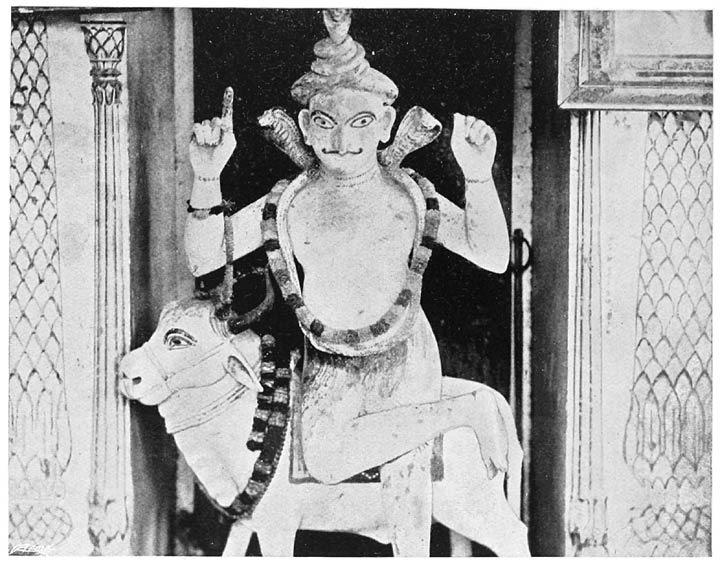
Pûtanâ is a significant figure in Hindu mythology, particularly in the stories surrounding Lord Krishna. She is known as a demoness who attempted to kill Krishna when he was just an infant. The tales of Pûtanâ are not just stories of evil but also reflect deeper meanings and teachings within Hindu beliefs. Understanding her character and actions provides insight into the eternal struggle between good and evil, a recurring theme in many mythologies around the world.
The Birth of Pûtanâ
Pûtanâ was born into a family of demons. Her origin is often linked to the powerful demon king Kamsa, who was the uncle of Lord Krishna. Kamsa, fearing a prophecy that he would be killed by his sister’s eighth child, sent many demons to eliminate Krishna. Pûtanâ was among those demons, and her mission was to disguise herself as a beautiful woman to gain access to the infant Krishna.
 Pushpaka
In her quest to kill Krishna, Pûtanâ used her powers of transformation. She could change her appearance at will, allowing her to take on the guise of a nurturing mother. This ability made her a formidable foe, as she could easily deceive anyone who stood in her way. However, her deceptive nature also highlights a significant aspect of her character: the tendency to hide one’s true intentions behind a facade of goodness.
Pûtanâ’s Deceptive Plan
When Pûtanâ arrived in the village of Gokul, she took on the appearance of a caring and loving woman. She approached the home of Krishna, who was still an infant, and offered to nurse him. The villagers, unaware of her true identity, welcomed her with open arms. This moment is crucial in the narrative as it illustrates how appearances can be misleading. Pûtanâ’s beauty and charm concealed her dark intentions, showcasing a common theme in mythology: the danger of judging based on external appearances.
As Pûtanâ nursed Krishna, she attempted to poison him with her deadly milk. This act was not just a physical attack but also symbolized the corruption of purity. Krishna, however, was no ordinary child. He possessed divine powers and was aware of Pûtanâ’s true nature. Instead of succumbing to her poison, he began to suckle with great strength, drawing out her very life force. This moment represents the triumph of good over evil, where innocence and divinity overpower malice and deceit.
 Pushan
The Transformation of Pûtanâ
As Krishna sucked Pûtanâ’s life away, she began to transform back into her true demonic form. This transformation is significant because it symbolizes the shedding of falsehoods and the revelation of true identity. In many cultures, the act of revealing one’s true self can be seen as a moment of vulnerability, and for Pûtanâ, it was the moment of her defeat. Her true form was terrifying, a stark contrast to the beautiful woman she had pretended to be.
When Pûtanâ finally succumbed to Krishna’s power, her lifeless body fell to the ground. This scene is often depicted in art and literature as a powerful moment of divine justice. Krishna, as the embodiment of goodness, triumphed over Pûtanâ’s evil intentions. Her death is not just a conclusion to her story; it serves as a reminder of the consequences of malevolence and the protective nature of divine forces.
Symbolism and Lessons from Pûtanâ
Pûtanâ’s story carries several symbolic meanings that resonate within Hindu philosophy. One of the primary lessons is the idea of deception. Pûtanâ’s ability to disguise herself as a nurturing figure reflects how individuals may hide their true intentions behind a mask of kindness. This theme serves as a cautionary tale about trusting appearances and the importance of discernment in relationships.
 Purusha
Another significant aspect of Pûtanâ’s narrative is the concept of redemption. Despite her evil actions, some interpretations suggest that Pûtanâ was granted liberation (moksha) by Krishna after her death. This idea highlights the belief in the possibility of redemption, even for those who have committed grave sins. It emphasizes the notion that divine grace can transcend even the darkest of deeds, a recurring theme in many Hindu texts.
Pûtanâ in Art and Literature
The figure of Pûtanâ has inspired numerous works of art, literature, and dance in Indian culture. She is often depicted in traditional paintings, sculptures, and performances that retell the story of Krishna’s childhood. Artists portray her transformation from a beautiful woman to a fearsome demon, capturing the duality of her character.
- In classical dance forms like Bharatanatyam and Kathak, Pûtanâ’s story is often performed, showcasing her dramatic entrance and subsequent defeat.
- Many poets and playwrights have written about her, exploring themes of deception, motherhood, and the struggle between good and evil.
- Illustrations in ancient texts depict the moment of Krishna sucking the life out of her, emphasizing the contrast between innocence and malevolence.
Pûtanâ’s presence in these art forms serves to keep her story alive in the cultural consciousness of India. Each representation adds layers of interpretation, allowing audiences to engage with the moral complexities of her character and actions.
Modern Interpretations of Pûtanâ
In contemporary discussions, Pûtanâ’s story has been reinterpreted to address modern themes such as motherhood and the complexities of female identity. Some feminist readings of the tale explore how Pûtanâ’s character can be seen as a reflection of societal expectations placed on women. Her attempt to fulfill the role of a nurturing mother, despite her malicious intentions, raises questions about the nature of femininity and the roles women are expected to play.
Furthermore, Pûtanâ’s story can be viewed through the lens of mental health, particularly the struggles of individuals who may feel compelled to wear masks in their daily lives. The pressure to conform to societal norms can lead to inner turmoil, much like Pûtanâ’s internal conflict between her demonic nature and her desire to be seen as a loving figure.
The Legacy of Pûtanâ
Pûtanâ’s legacy continues to influence various aspects of culture and spirituality. In the context of Krishna worship, she is often mentioned in prayers and stories, serving as a reminder of the divine protection offered to devotees. Her tale is frequently recounted during festivals celebrating Krishna, such as Janmashtami, where her defeat is celebrated as a victory of good over evil.
Additionally, the themes surrounding Pûtanâ resonate with many who seek to understand the complexities of morality and the nature of evil. Her story invites reflection on personal and societal struggles, encouraging individuals to confront their own “demons” and seek the light of truth and goodness.
Pûtanâ in Comparative Mythology
When examining Pûtanâ’s character in the broader context of mythology, parallels can be drawn with figures from other cultures who embody similar themes of deception and the struggle against evil. For instance, in Greek mythology, the figure of Medusa represents a woman transformed by malevolence, and her story similarly explores themes of fear and the consequences of one’s actions.
Moreover, in Christian traditions, the concept of the serpent in the Garden of Eden serves as a symbol of deception and temptation, mirroring Pûtanâ’s attempt to mislead Krishna. These comparisons highlight the universal nature of the battle between good and evil, as well as the ways in which different cultures interpret these struggles.
Conclusion of Pûtanâ’s Influence
Pûtanâ remains a powerful figure in Hindu mythology, representing the complexities of good and evil. Her story serves as a reminder of the dangers of deception and the importance of recognizing one’s true self. Through art, literature, and modern interpretations, her legacy continues to inspire discussions about morality, identity, and the nature of humanity.
In the end, Pûtanâ’s tale is not merely a story of a demoness defeated by a divine child; it is a multifaceted narrative that encourages reflection on the nature of good and evil, the masks we wear, and the eternal quest for truth and redemption.