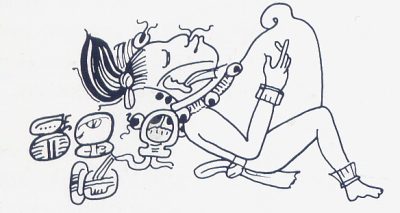
The concept of the Fat God in Maya mythology is a fascinating subject that intertwines themes of fertility, abundance, and the cyclical nature of life. In the rich tapestry of Maya beliefs, various deities represent different aspects of existence, and the Fat God is often associated with the earth, agriculture, and the sustenance of life. The Maya civilization, which flourished in Mesoamerica, had a complex pantheon that included gods and goddesses who were revered for their influence over nature and human affairs. This article delves into the attributes, symbolism, and cultural significance of the Fat God, highlighting its place within the broader context of Maya mythology.
Understanding the Fat God
The Fat God, often referred to as God D or the God of Abundance, is depicted in various forms across Maya art and iconography. This deity is characterized by a robust and corpulent figure, symbolizing the richness of the earth and the fertility it provides. In many depictions, the Fat God is shown with exaggerated features that emphasize his girth, which serves as a visual representation of prosperity and the blessings of bountiful harvests. The association with fatness in this context is not viewed negatively; instead, it is celebrated as a sign of health, wealth, and well-being.
In Maya culture, the Fat God is closely linked to agriculture and the cycles of planting and harvesting. The abundance of crops, particularly maize, is central to Maya sustenance and spirituality. The Fat God embodies the life-giving forces of the earth, and his presence is believed to ensure the fertility of the soil. This connection to agriculture underscores the importance of the natural world in Maya society, where the rhythms of nature dictated daily life and cultural practices.
Symbolism and Attributes
The symbolism of the Fat God extends beyond mere physical appearance. His rotund form is often accompanied by various attributes that enhance his role as a deity of abundance. Common symbols associated with the Fat God include maize, water, and earth. Each of these elements plays a crucial role in the Maya understanding of life and sustenance. For instance, maize is not only a staple food but also holds spiritual significance, often being referred to as the “staff of life.” The Fat God’s connection to maize reinforces the idea that he is a nurturer and provider.
 Ek Chuah
Water is another essential element associated with the Fat God. In many Mesoamerican cultures, water is seen as a source of life, and its availability is critical for agriculture. The Fat God’s relationship with water symbolizes the necessity of balance in nature, where both the earth and water work in harmony to produce sustenance. This duality reflects the Maya belief in the interconnectedness of all life forms and the importance of respecting natural resources.
Cultural Significance
The Fat God holds a prominent place in Maya rituals and ceremonies, particularly those related to agriculture. Communities would often engage in offerings and prayers to invoke the blessings of the Fat God before the planting season. These rituals served not only as a means of seeking divine favor but also as a way to foster community bonds and collective responsibility toward the land. The act of coming together to honor the Fat God reflects the communal nature of Maya society, where the well-being of the group was paramount.
Moreover, the Fat God’s influence extends into various aspects of Maya art and literature. His image can be found in murals, pottery, and carvings, where he is often depicted in scenes of agricultural abundance. These artistic representations serve to remind the Maya people of their reliance on the earth and the importance of gratitude for the resources it provides. The Fat God is not just a figure of worship but also a cultural symbol that embodies the values and beliefs of the Maya civilization.
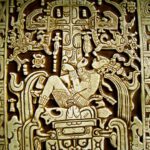 Coyopa
Myths and Legends
Various myths and legends surrounding the Fat God contribute to his significance in Maya mythology. One prominent story involves the creation of maize and its relationship with the Fat God. According to legend, the Fat God played a crucial role in the emergence of maize from the earth. This myth highlights the idea that life-giving sustenance is a divine gift, and the Fat God serves as a mediator between the natural world and the spiritual realm. Such stories emphasize the reverence the Maya had for the earth and its resources, as well as the belief that these gifts were bestowed by the gods.
Another popular myth relates to the Fat God’s interactions with other deities. In some accounts, he is depicted as a generous figure who shares his abundance with other gods, thereby fostering harmony among the pantheon. This generosity is a reflection of the ideal traits valued in Maya culture, where sharing and community support were essential for survival. These myths not only serve to entertain but also impart moral lessons and cultural values that resonate with the Maya people.
The Fat God in Modern Maya Culture
While the ancient Maya civilization has long since transformed, the legacy of the Fat God continues to influence modern Maya culture. Many contemporary Maya communities still honor their ancestral traditions, and the Fat God remains a symbol of fertility and abundance in agricultural practices. Festivals and rituals may still incorporate elements that pay homage to the Fat God, reinforcing the connection between past and present. This continuity highlights the resilience of Maya culture and its ability to adapt while preserving essential beliefs.
In addition to agricultural practices, the Fat God has found a place in contemporary art and literature among Maya artists and writers. Many use traditional themes and symbols, including the Fat God, to express their identity and cultural heritage. This artistic revival not only celebrates the past but also serves as a means of cultural expression and resistance against external influences. By incorporating the Fat God into modern works, artists contribute to the ongoing narrative of Maya mythology and its relevance in today’s world.
the Fat God is a vital figure in Maya mythology, representing abundance, fertility, and the intricate relationship between humanity and nature. His attributes, symbolism, and cultural significance highlight the importance of agriculture and the earth in Maya life. Through myths, rituals, and modern expressions, the legacy of the Fat God endures, reminding us of the deep connections that exist between people, their beliefs, and the natural world.