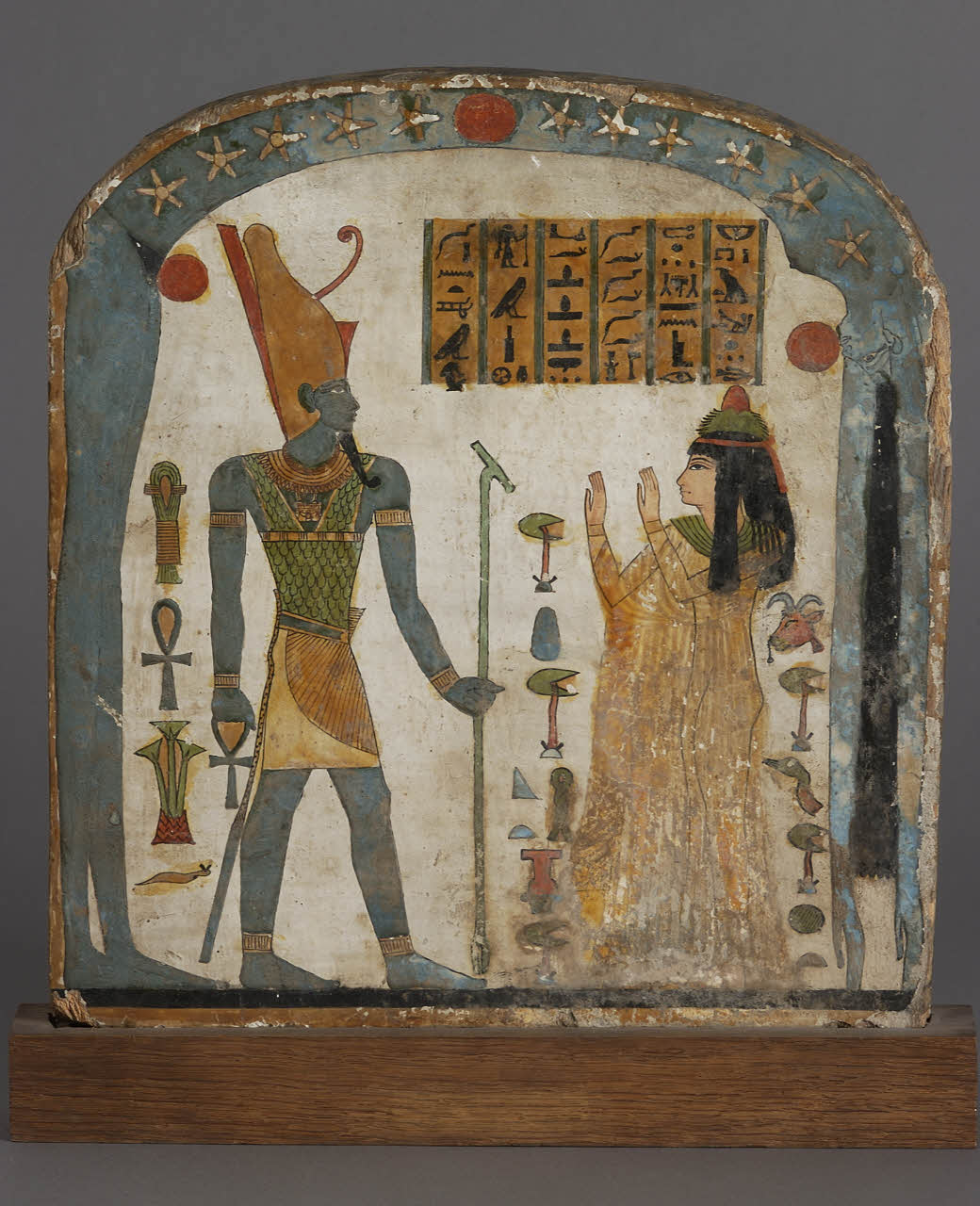
Dua, in Egyptian mythology, is a term that encapsulates the essence of a concept that is both profound and multifaceted. It refers to the notion of duality and the interconnection between various elements of existence. In ancient Egypt, the understanding of duality was crucial to their worldview, as it influenced their religious beliefs, social structures, and even their art. This article will explore the various dimensions of Dua, examining its significance in Egyptian mythology, its representation in various forms, and its impact on the culture of ancient Egypt.
Understanding Dua in Egyptian Mythology
In Egyptian mythology, Dua represents the balance between opposing forces. The ancient Egyptians believed that the universe was a place of opposites, where everything had a counterpart. For instance, light and darkness, life and death, and chaos and order were seen as essential elements that defined their reality. This duality was not only a philosophical concept but also had practical implications in their daily lives, influencing everything from their religious rituals to their societal norms.
 Dedun
DedunThe concept of Dua is closely related to the Egyptian gods, many of whom embodied dual aspects. For example, the god Osiris represented life and resurrection, while his counterpart, Seth, symbolized chaos and destruction. This relationship illustrates how the Egyptians understood the necessity of both forces in maintaining the balance of the universe. By honoring both aspects through worship and rituals, they believed they could ensure harmony in their lives.
The Symbolism of Dua
Symbolism played a vital role in conveying the idea of Dua within Egyptian culture. One of the most prominent symbols associated with this concept is the ankh, which represents life and immortality. The ankh embodies the duality of existence, as it signifies both the physical and spiritual realms. Egyptians often depicted the ankh being held by gods or pharaohs, symbolizing their connection to both the earthly and divine worlds.
Another important symbol is the scarab beetle, which represents regeneration and the cyclical nature of life. The scarab’s ability to roll balls of dung, which were associated with new life, made it a powerful emblem of transformation. This connection to rebirth aligns with the idea of Dua, as it highlights the continuous cycle of life, death, and rebirth that permeated Egyptian beliefs.
 Kneph
KnephDua in Egyptian Art and Literature
Art and literature in ancient Egypt were rich with references to the concept of Dua. In paintings and carvings, artists often depicted scenes that showcased the balance between opposing forces. For instance, murals in tombs frequently illustrated the journey of the soul through the afterlife, emphasizing the duality of existence as the deceased navigated challenges and rewards.
Literature also reflected the significance of Dua, with many texts exploring themes of balance and duality. The Book of the Dead, a collection of spells and prayers meant to guide the deceased through the afterlife, is filled with references to the dual nature of existence. These texts often highlight the importance of understanding and accepting both sides of life to achieve harmony and peace in the afterlife.
The Role of Dua in Religious Practices
Religious practices in ancient Egypt were deeply intertwined with the concept of Dua. Rituals were designed to honor both aspects of existence, recognizing the need for balance between good and evil, life and death. Festivals often celebrated duality, such as the Wepet-Renpet, which marked the beginning of the new year and the renewal of life.
 Khenti-amentiu
Additionally, the practice of mummification exemplified the belief in duality. By preserving the body for the afterlife, Egyptians acknowledged the connection between the physical and spiritual realms. This process was not just about preserving life but also about ensuring a harmonious transition into the afterlife, where the soul would continue its journey in a balanced state.
Influence of Dua on Egyptian Society
The concept of Dua influenced various aspects of Egyptian society, including governance and social structure. The pharaohs were seen as divine rulers, embodying both the earthly and spiritual aspects of leadership. They were responsible for maintaining Ma’at, the principle of order and balance, which was essential for the well-being of the society.
Socially, the understanding of duality extended to gender roles and family dynamics. The Egyptians recognized the importance of both masculine and feminine energies in society. Women held significant positions in religious practices, often serving as priestesses and influential figures in their communities. This acknowledgment of duality in gender roles contributed to a more balanced social structure, allowing for a diverse range of contributions from both men and women.
Dua and the Afterlife
The afterlife held a central place in Egyptian belief systems, and the concept of Dua was integral to understanding this realm. The ancient Egyptians viewed the afterlife as a continuation of life on earth, where the soul would encounter both challenges and rewards. The journey through the afterlife was often depicted as a series of tests, where the deceased would have to confront their actions and decisions in life.
One of the most significant aspects of the afterlife was the Weighing of the Heart ceremony, where the heart of the deceased was weighed against the feather of Ma’at. This ritual symbolized the balance between good and evil, determining whether the soul could enter the realm of the blessed. The heart represented the individual’s actions and intentions during their lifetime, while the feather symbolized truth and justice. The outcome of this weighing was crucial in determining the fate of the soul, highlighting the importance of duality in the afterlife.
Dua in Modern Interpretations
In contemporary discussions about Egyptian mythology, the concept of Dua continues to resonate. Modern scholars and enthusiasts often explore the idea of duality in various contexts, including psychology, philosophy, and spirituality. The notion of balance between opposing forces is relevant in today’s world, where individuals seek harmony in their personal and professional lives.
Furthermore, the symbolism associated with Dua, such as the ankh and the scarab, has found a place in popular culture. These symbols are often used in jewelry, art, and literature, representing a connection to ancient wisdom and the ongoing exploration of duality in human experience. This enduring legacy reflects the profound impact of Egyptian mythology on modern thought and creativity.
Conclusion: The Legacy of Dua
Dua, as a concept in Egyptian mythology, serves as a reminder of the importance of balance and duality in life. Its influence can be seen in various aspects of ancient Egyptian culture, from religious practices to art and literature. The enduring relevance of Dua in modern interpretations highlights the universal quest for harmony and understanding in a world characterized by opposites. As we continue to explore the depths of human experience, the lessons of Dua remain a guiding force, encouraging us to embrace both sides of existence.