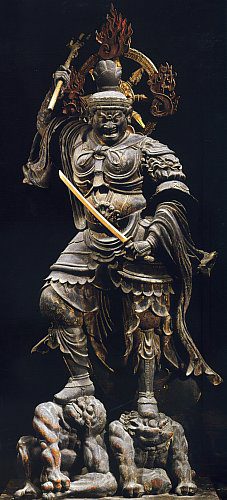
Jikoku-ten is a significant figure in Buddhist mythology, often recognized as one of the Four Heavenly Kings. These kings are guardians of the directions and play an essential role in protecting the teachings of Buddhism. Jikoku-ten specifically is known for his guardianship over the east. He is depicted as a powerful warrior who wields a sword, symbolizing his strength and determination to protect the dharma, the Buddhist teachings. Jikoku-ten is not just a protector; he embodies the virtues of justice and strength, making him an important figure in the Buddhist pantheon.
Origins and Historical Context
The origins of Jikoku-ten can be traced back to the early days of Buddhism when the religion began to spread from India to other parts of Asia. The Four Heavenly Kings, including Jikoku-ten, were incorporated into Buddhist teachings as a way to symbolize the protection of the Buddha and his teachings. This incorporation also reflects the influence of local deities and beliefs that existed before the arrival of Buddhism. As a result, Jikoku-ten represents a fusion of Buddhist and indigenous beliefs, highlighting how religions can adapt and evolve over time.
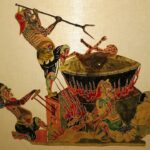 Jigoku
Jikoku-ten is often associated with the guardian deities of the directions, each representing a specific aspect of protection. Jikoku-ten, the guardian of the east, is often depicted with a fierce expression and a commanding presence. His role is not only to protect the eastern direction but also to guard the teachings of the Buddha from evil forces. This protective nature emphasizes the importance of safeguarding the dharma, which is crucial for the spiritual development of practitioners.
Iconography and Symbolism
In artistic representations, Jikoku-ten is usually shown as a large, muscular figure, often adorned with armor and a helmet. His most recognizable feature is the sword he holds, which symbolizes his readiness to combat evil and protect the righteous. Additionally, he is sometimes depicted with a pagoda or a stupa, signifying his role in safeguarding Buddhist teachings and the places where they are practiced. The imagery surrounding Jikoku-ten is rich in symbolism, reflecting his importance as a protector.
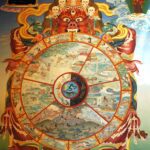 Jaramarana
Moreover, Jikoku-ten is often accompanied by a dragon or a serpent, which represents strength and wisdom. These creatures are common in many Asian mythologies and symbolize the connection between the earthly and spiritual realms. The dragon, in particular, is seen as a powerful being that can control the waters and weather, further emphasizing Jikoku-ten’s role in maintaining balance and order in the universe.
Role in Buddhist Practice
Jikoku-ten holds a significant role in various Buddhist practices, particularly in the context of rituals and offerings. Devotees often invoke his name and seek his protection during ceremonies and prayers. This practice highlights the belief that Jikoku-ten can help ward off negative influences and ensure the safety of practitioners. Many temples feature statues or images of Jikoku-ten, where devotees can pay their respects and ask for his guidance.
In addition to personal protection, Jikoku-ten is also seen as a guardian of the community. His presence in temples and religious practices serves as a reminder of the importance of collective safety and well-being. In some traditions, communities will hold festivals or ceremonies in honor of Jikoku-ten, reinforcing the idea that spiritual protection is not just an individual concern but a communal one as well.
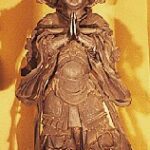 Ida-ten
Comparison with Other Heavenly Kings
While Jikoku-ten is a vital figure among the Four Heavenly Kings, it is essential to understand how he compares with the other kings: Tamonten, Zentoku-ten, and Bishamonten. Each king guards a different direction and embodies unique qualities. For instance, Tamonten, the king of the north, is often associated with wealth and prosperity, while Bishamonten, the king of the south, is connected to military prowess and protection against evil.
Despite their differences, all Four Heavenly Kings share a common purpose: to protect the teachings of Buddhism and the practitioners who follow them. Jikoku-ten’s focus on the east symbolizes the dawn of enlightenment and the importance of new beginnings in a spiritual journey. Each king complements the others, creating a comprehensive system of protection that reflects the multifaceted nature of Buddhist beliefs.
Jikoku-ten in Popular Culture
Jikoku-ten has transcended his religious roots and has found a place in popular culture. He appears in various forms of art, literature, and even modern media. Many artists draw inspiration from his strong and protective nature, creating works that celebrate his role as a guardian. In literature, Jikoku-ten is often depicted as a heroic figure who defends the weak and fights against injustice.
Moreover, in contemporary video games and anime, Jikoku-ten is sometimes portrayed as a character embodying strength and honor. His image serves as a reminder of the values he represents, such as bravery, justice, and protection. This adaptation into popular culture not only keeps his legacy alive but also introduces new audiences to the rich traditions of Buddhist mythology.
Jikoku-ten in Different Buddhist Traditions
Different Buddhist traditions have their interpretations of Jikoku-ten. In the Japanese tradition, he is often worshiped in the context of Shinto practices, where he is seen as a protector of the nation and its people. In contrast, in Tibetan Buddhism, he may be integrated into the pantheon of protective deities, emphasizing his role in safeguarding both the teachings and the practitioners.
In Theravada Buddhism, the concept of Jikoku-ten may not be as prominent, as the focus tends to be more on the historical Buddha and his direct teachings. However, the essence of protection and guardianship can still be found in various local beliefs and practices, showcasing how the figure of Jikoku-ten can manifest differently across cultures while retaining his core qualities.
Jikoku-ten in Art and Architecture
Art and architecture play a significant role in the representation of Jikoku-ten. Many temples dedicated to Buddhist practice feature grand statues of the Four Heavenly Kings, with Jikoku-ten often positioned prominently at the entrance. These statues are not just decorative; they serve a vital purpose in protecting the sacred space and welcoming practitioners and visitors alike.
In paintings, Jikoku-ten is depicted with vibrant colors and dynamic poses, capturing his essence as a fierce protector. Artists often highlight his armor and sword, emphasizing his readiness to defend the dharma. The details in these artworks reflect the cultural values of the time and the importance placed on the protection of spiritual teachings.
Conclusion of Jikoku-ten’s Significance
Jikoku-ten’s significance in Buddhist mythology cannot be overstated. He embodies the qualities of strength, justice, and protection, serving as a guardian of both the teachings of the Buddha and the practitioners who follow them. His presence in art, rituals, and popular culture highlights the enduring legacy of Jikoku-ten and the values he represents. Through understanding Jikoku-ten, practitioners and enthusiasts of Buddhism can appreciate the rich tapestry of beliefs that make up this ancient religion.