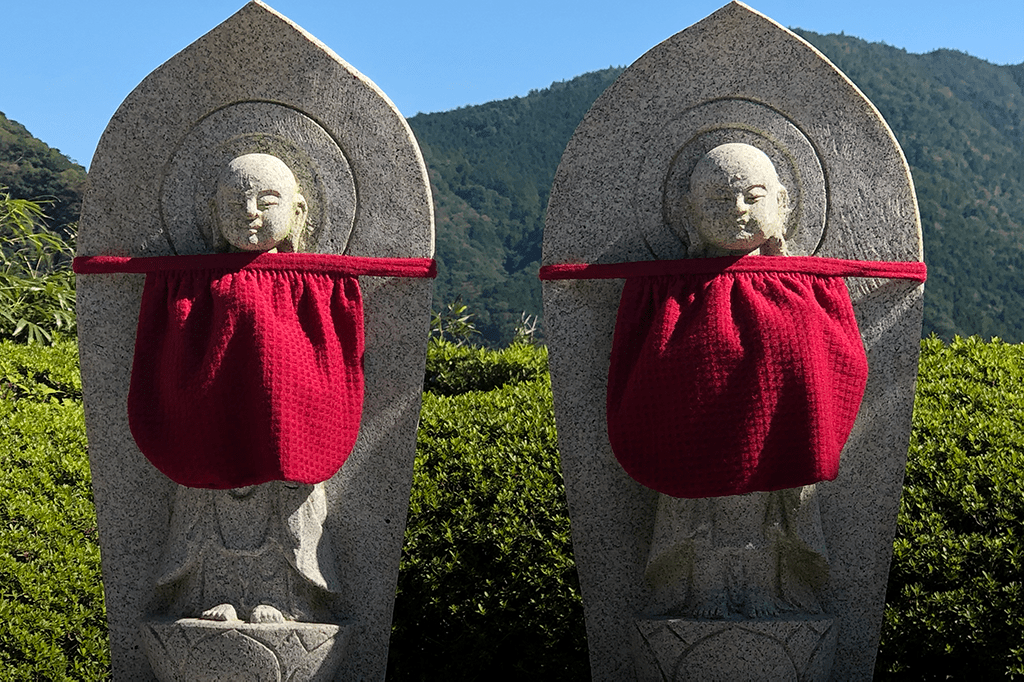
Jizo, also known as Jizō or Ksitigarbha, is a prominent figure in Buddhist mythology. He is revered as the protector of travelers, children, and the souls of the deceased. Jizo is often depicted as a monk with a simple robe, a shaved head, and a gentle smile. His compassionate nature makes him a beloved figure among many Buddhists, especially in Japan. The stories and beliefs surrounding Jizo are rich and varied, reflecting the deep spiritual significance he holds in the hearts of many.
The Origin of Jizo
The origins of Jizo can be traced back to ancient Indian Buddhism, where he is known as Ksitigarbha. The name Ksitigarbha translates to “Earth Womb,” symbolizing his role as a nurturer and protector of all beings. In the early texts, Ksitigarbha is described as a bodhisattva, a being who has attained enlightenment but chooses to remain in the cycle of rebirth to help others achieve liberation. His vow to save all beings from suffering is central to his character and mission.
 Jikoku-ten
As Buddhism spread to other regions, particularly to China and Japan, the figure of Ksitigarbha evolved. In Japan, Jizo became associated with the afterlife, specifically with the souls of children and the deceased. This transformation highlights the adaptability of Buddhist beliefs as they integrated with local customs and traditions. Jizo’s image became a comforting presence for those grieving the loss of loved ones, especially children, who were believed to face challenges in the afterlife.
Jizo’s Role as a Protector
One of the most significant aspects of Jizo’s character is his role as a protector. He is often called upon for safety and guidance during journeys. Travelers in Japan frequently make small altars or shrines dedicated to Jizo along roadsides. These shrines are adorned with offerings such as food, flowers, and small toys for children. The belief is that Jizo watches over those who pass by, ensuring their safe travels.
Jizo’s protective nature extends beyond physical journeys. He is also seen as a guardian of souls, particularly those of children who have died before their parents. Many parents who have lost a child turn to Jizo for comfort and support. They believe that he guides their child’s soul in the afterlife, helping them find peace and happiness. This belief is so strong that many parents visit Jizo shrines to pray for their children’s well-being, both in life and after death.
 Jigoku
Symbolism and Iconography of Jizo
Jizo is often depicted with various symbols that hold deep meaning. Commonly, he is shown holding a staff or a jewel. The staff represents his ability to guide souls, while the jewel symbolizes the enlightenment and wisdom he offers to those who seek his help. Additionally, Jizo is sometimes accompanied by small children or surrounded by the souls of the deceased, further emphasizing his role as a protector and guide.
Another notable feature in Jizo’s iconography is the red bib or red scarf that he often wears. This item is a symbol of love and compassion. It is common for devotees to dress Jizo statues in red clothing or to place red bibs around their necks as a way of expressing their affection and gratitude. The color red is also believed to ward off evil spirits, making it a fitting choice for a protector like Jizo.
Jizo in Japanese Culture
In Japan, Jizo is not only a religious figure but also a significant part of popular culture. He appears in various forms of art, literature, and festivals. His image can be found in paintings, sculptures, and even children’s stories. The character of Jizo embodies qualities such as kindness, compassion, and unwavering support, making him a relatable figure for people of all ages.
 Jaramarana
During the annual festival known as Jizō Bon, communities come together to honor Jizo and the souls of the deceased. This event often includes offerings of food, flowers, and prayers. It serves as a reminder of the importance of remembering and honoring those who have passed away. The festival also emphasizes the community’s collective responsibility to care for one another, reflecting the values that Jizo represents.
Jizo and the Afterlife
Jizo’s association with the afterlife is one of the most profound aspects of his mythology. In many beliefs, it is said that he travels to the hell realms to save suffering souls. He offers guidance and support, helping them navigate the challenges they face. This aspect of Jizo’s character resonates with many people who seek comfort in the face of loss and uncertainty.
Jizo is often depicted as standing at the crossroads between life and death, guiding souls to a better existence. His presence provides hope to grieving families, assuring them that their loved ones are not alone. The belief that Jizo can help souls find peace in the afterlife is a powerful source of comfort for many Buddhists.
Jizo Statues and Shrines
Across Japan, you can find numerous Jizo statues and shrines. These statues are often placed along roadsides, in temples, and in cemeteries. Each statue serves as a reminder of Jizo’s protective nature and his commitment to helping those in need. Devotees frequently visit these sites to offer prayers and express gratitude for Jizo’s guidance.
At Jizo shrines, visitors often leave small tokens as offerings. These tokens can include toys, food, or even handwritten notes. These offerings are a way for people to connect with Jizo, showing their respect and appreciation for his role in their lives. The act of leaving an offering is also a form of prayer, expressing hopes for protection and guidance.
The Influence of Jizo Beyond Japan
While Jizo is most commonly associated with Japan, his influence extends beyond the borders of the country. In various forms, Jizo is recognized in other parts of Asia, including China and Korea. His character may have different names and interpretations, but the core values of compassion and protection remain consistent across cultures.
In China, Ksitigarbha is often depicted as a figure who aids in the transition of souls in the afterlife. Similar to the beliefs surrounding Jizo in Japan, Ksitigarbha is seen as a compassionate being who guides souls toward enlightenment. This shared reverence for Jizo/Ksitigarbha highlights the interconnectedness of Buddhist beliefs across different cultures.
Modern Interpretations of Jizo
In contemporary society, Jizo continues to hold a significant place in the hearts of many. His teachings and values resonate with those seeking solace and support in challenging times. Many people turn to Jizo as a source of strength during personal struggles, whether they are facing loss, illness, or uncertainty.
Modern interpretations of Jizo can also be seen in various forms of media. Books, films, and art continue to explore the themes of compassion and protection that Jizo embodies. These representations serve to keep his spirit alive and relevant in a rapidly changing world. By sharing stories and experiences related to Jizo, individuals can connect with his teachings and find inspiration in their own lives.
Jizo and Mental Health
In recent years, there has been a growing recognition of the importance of mental health in society. Jizo’s compassionate nature makes him a symbol of hope and healing for those struggling with mental health issues. Many individuals find comfort in the idea that Jizo is always present, ready to offer support and guidance during difficult times.
Practices such as meditation and prayer directed toward Jizo can provide a sense of calm and reassurance. Engaging with Jizo’s teachings encourages individuals to embrace compassion, both for themselves and for others. This approach can be particularly beneficial for those dealing with feelings of guilt, grief, or anxiety, as it fosters a sense of connection and understanding.
The Global Community of Jizo Followers
As Buddhism continues to spread across the globe, the community of Jizo followers is expanding. People from various backgrounds and cultures are drawn to the values that Jizo represents. This growing community emphasizes the importance of compassion, kindness, and support for one another, regardless of differences.
Online platforms and social media have facilitated connections among Jizo followers worldwide. Individuals share their experiences, stories, and practices related to Jizo, creating a sense of belonging and shared purpose. This global community reinforces the idea that Jizo’s teachings transcend cultural boundaries and can be embraced by anyone seeking comfort and guidance.
Jizo’s Teachings on Compassion
At the core of Jizo’s character is the message of compassion. His life and actions serve as a reminder of the importance of caring for others and offering support to those in need. Jizo’s teachings encourage individuals to practice kindness, understanding, and empathy in their daily lives. By embodying these values, people can create a more compassionate world.
Furthermore, Jizo’s teachings on compassion extend beyond human interactions. They also encompass a deep respect for all living beings. This holistic approach to compassion inspires individuals to consider the impact of their actions on the environment and other creatures. By fostering a sense of interconnectedness, Jizo encourages a more harmonious coexistence among all beings.
Conclusion of Jizo’s Legacy
Jizo’s legacy is one of love, compassion, and unwavering support. His presence continues to inspire individuals to seek guidance and protection, both in their personal lives and in their relationships with others. As a symbol of hope and healing, Jizo remains a cherished figure in Buddhist mythology and a source of comfort for countless people around the world.