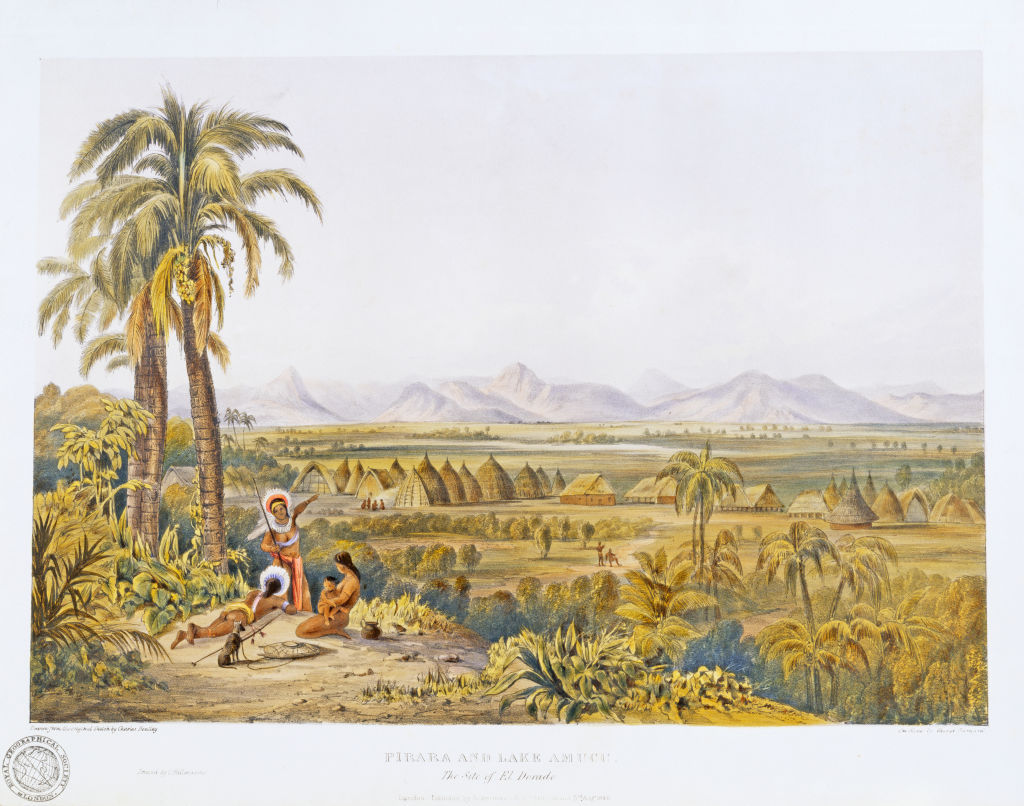
The legend of El Dorado is one of the most captivating tales from South American mythology. It speaks of a city made entirely of gold, a place where riches abound and dreams come true. This story has intrigued explorers, historians, and treasure hunters for centuries. The origins of El Dorado can be traced back to the indigenous cultures of the region, particularly the Muisca people of present-day Colombia. They had a ritual in which their leader, known as the zipa, would cover himself in gold dust and offer treasures to the gods in a sacred lake. This practice likely contributed to the myth of a golden city waiting to be discovered.
The Historical Context of El Dorado
The tale of El Dorado emerged during the time of the Spanish conquest in the 16th century. As the Spaniards arrived in South America, they encountered various indigenous tribes, each with their own customs and beliefs. The stories of wealth and prosperity quickly spread among the conquerors, leading to the belief that a city filled with gold was out there, waiting to be found. Explorers such as Gonzalo Pizarro and Francisco Orellana embarked on perilous journeys into the heart of the continent, driven by the hope of discovering this fabled city. Their expeditions were often marked by hardship, as they faced treacherous landscapes, hostile tribes, and dwindling supplies.
 Cuchavira
Throughout the 16th and 17th centuries, numerous expeditions were launched to find El Dorado. Each journey added to the myth, as tales of lost cities and hidden treasures circulated. The Amazon River became a focal point for many explorers, who believed that the golden city lay somewhere along its banks. However, despite their efforts, the explorers returned empty-handed, leading to a growing sense of mystery surrounding El Dorado. The more they searched, the more elusive the city became, turning it into a symbol of unattainable wealth and ambition.
Indigenous Cultures and Their Influence
The legend of El Dorado cannot be understood without considering the rich tapestry of indigenous cultures in South America. The Muisca, for example, had a complex society with advanced agricultural practices and intricate goldsmithing techniques. Their rituals involving gold were deeply spiritual, connecting them to their gods and the natural world. This cultural context is crucial for understanding how the myth of El Dorado evolved. The Spanish, unfamiliar with these practices, misinterpreted the rituals and exaggerated the stories of wealth, leading to the myth of a golden city.
Other indigenous groups, such as the Inca and the Quechua, also contributed to the legend. The Inca Empire, known for its vast wealth and sophisticated infrastructure, was often associated with the idea of El Dorado. The Spanish conquerors, motivated by greed, sought to exploit these cultures and their resources. The combination of indigenous beliefs and Spanish ambition created a narrative that captivated the imaginations of many. The myth became a reflection of the clash between cultures, where the desire for wealth led to exploitation and tragedy.
 Colo Colo
The Search for El Dorado
The quest for El Dorado has been characterized by adventurous expeditions filled with danger and intrigue. One of the most famous expeditions was led by Sir Walter Raleigh in the late 16th century. Raleigh was an English explorer who sought to find the legendary city and claim its riches for England. His journeys took him to the northern regions of South America, where he encountered various tribes and faced numerous challenges. Despite his efforts, Raleigh never found El Dorado, but his adventures further fueled the myth and inspired future explorers.
In the early 18th century, the search for El Dorado took on a new dimension with the rise of exploration in the Amazon rainforest. Adventurers like Alexander von Humboldt and Francisco de Orellana sought to navigate the treacherous waters and uncover the secrets of the jungle. Their accounts of the Amazon’s beauty and danger added to the allure of El Dorado. The rainforest, with its dense vegetation and hidden rivers, became a symbol of mystery and adventure, drawing many to seek the elusive city of gold.
The Impact of El Dorado on Literature and Popular Culture
The legend of El Dorado has had a profound impact on literature and popular culture. Writers and artists have drawn inspiration from the myth, creating works that explore themes of greed, ambition, and the quest for wealth. Classic novels such as “The Lost City of Z” by David Grann and “Heart of Darkness” by Joseph Conrad incorporate elements of the El Dorado myth, reflecting the dangers of obsession and the consequences of colonialism. These stories resonate with readers, illustrating the timeless allure of treasure hunting and the human desire for discovery.
 Chonchon
In modern times, the legend of El Dorado has been depicted in films, video games, and other forms of entertainment. Movies like “The Treasure of the Sierra Madre” and “Romancing the Stone” capture the adventurous spirit of those who seek riches in exotic lands. Video games often feature quests for treasure, drawing on the myth of El Dorado to create immersive experiences for players. This cultural representation keeps the legend alive, allowing new generations to engage with the story and its themes.
The Symbolism of El Dorado
El Dorado symbolizes the human quest for wealth and success, often representing the idea that great rewards come with great risks. The pursuit of El Dorado can be seen as a metaphor for the challenges individuals face in their own lives. Just as explorers faced treacherous jungles and hostile tribes, people today encounter obstacles in their pursuit of dreams. The legend serves as a reminder that the journey is often as important as the destination. The challenges faced along the way can lead to personal growth and transformation.
Moreover, El Dorado represents the consequences of greed and exploitation. The myth highlights the darker aspects of human nature, where the desire for wealth can lead to destruction and suffering. The impact of colonialism on indigenous cultures serves as a cautionary tale about the costs of ambition. As explorers sought to uncover the riches of El Dorado, they often disregarded the lives and traditions of the people they encountered. This duality of ambition and consequence is central to the story of El Dorado, making it a rich subject for reflection.
Modern Interpretations of El Dorado
In contemporary discussions, the legend of El Dorado has evolved to encompass various interpretations. Some view it as a critique of materialism, suggesting that the relentless pursuit of wealth can lead to emptiness and disillusionment. This perspective encourages individuals to reflect on their values and priorities, urging them to seek fulfillment beyond material possessions. The myth challenges the notion that happiness is found in riches, prompting a reevaluation of what it means to live a fulfilling life.
Additionally, El Dorado has become a symbol of environmental conservation. The Amazon rainforest, once seen as a place to exploit for its resources, is now recognized for its ecological importance. The myth serves as a reminder of the delicate balance between human ambition and the preservation of nature. As the world grapples with issues like deforestation and climate change, the story of El Dorado can inspire a new appreciation for the natural world and the need to protect it for future generations.
The Legacy of El Dorado
The legacy of El Dorado continues to resonate in various aspects of society. It remains a powerful symbol of adventure, exploration, and the pursuit of dreams. The stories of those who sought the golden city have become part of the cultural fabric of South America, inspiring countless tales of bravery and ambition. The myth encourages individuals to embark on their own journeys, whether literal or metaphorical, in search of their own versions of El Dorado.
Furthermore, the legend serves as a reminder of the importance of cultural heritage and the stories that shape our understanding of the world. The history of El Dorado is intertwined with the experiences of indigenous peoples, highlighting the need to honor and respect their traditions. By acknowledging the complexities of the myth, we can appreciate the rich cultural diversity of South America and the lessons it imparts.
Conclusion: The Enduring Allure of El Dorado
the legend of El Dorado remains one of the most enduring myths in South American culture. Its themes of adventure, ambition, and the quest for wealth continue to captivate audiences around the world. As explorers and treasure hunters seek the fabled city, the story serves as a reminder of the complexities of human desire and the consequences of our actions. El Dorado is more than just a tale of gold; it is a reflection of our hopes, dreams, and the journeys we undertake in search of meaning and fulfillment.