
St. Catherine of Bologna is a significant figure in Christian mythology, revered for her piety, artistic talent, and dedication to the monastic life. Born in 1413 in Bologna, Italy, her life and works have inspired countless individuals throughout history. Her story is a rich tapestry woven with threads of faith, creativity, and spirituality. In this article, we will explore her life, her contributions to the church, and the legacy she left behind. Each aspect of her life provides insight into the values and beliefs of the time, and her enduring influence continues to resonate with many today.
Early Life and Background
Catherine was born into a noble family in Bologna. Her father was a prominent figure, which afforded her certain privileges and opportunities. From a young age, Catherine exhibited a strong sense of devotion and a desire to serve God. This early inclination toward spirituality was evident in her daily life, where she often engaged in prayer and reflection. Despite the societal expectations placed upon her as a noblewoman, she felt a calling to pursue a life dedicated to faith and service.
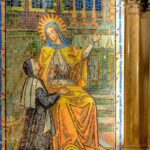 St. Catherine Laboure
At the age of 14, Catherine experienced a profound spiritual awakening that would shape her future. She decided to join the Order of Saint Augustine, a decision that was met with resistance from her family. They had envisioned a more traditional path for her, possibly involving marriage to a suitable suitor. However, Catherine’s conviction was unwavering. She sought to follow her heart and dedicate herself entirely to the service of God.
Life as a Nun
Catherine entered the convent at the age of 16, where she began her formal training in monastic life. She embraced the rules and regulations of the order, dedicating her time to prayer, meditation, and community service. Her days were filled with spiritual exercises that fostered her relationship with God. She quickly became known for her piety and deep spiritual insights, which drew many to her. Catherine’s commitment to her faith was unwavering, and she became a source of inspiration for her fellow nuns.
During her time in the convent, Catherine also discovered her talent for art. She became an accomplished painter, using her artistic skills to create beautiful religious works. Her paintings often depicted scenes from the Bible, and she infused them with deep spiritual meaning. Catherine believed that art could serve as a medium for expressing her faith and sharing the message of God with others. Her artwork became a significant aspect of her life, allowing her to combine her passion for creativity with her devotion to spirituality.
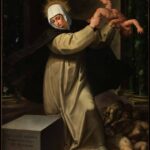 St. Catherine De Ricci
Spiritual Writings and Teachings
Catherine was not only an artist but also a gifted writer. She penned several spiritual treatises that explored themes of faith, love, and the nature of God. Her writings reflect her deep understanding of Christian doctrine and her desire to share her insights with others. One of her most famous works is “The Seven Spiritual Weapons,” which outlines various practices that can help individuals grow closer to God. In this treatise, she emphasizes the importance of prayer, humility, and the pursuit of virtue.
Her writings have been influential in the development of Christian mysticism. They offer profound insights into the nature of the soul and its relationship with God. Catherine’s ability to articulate complex spiritual concepts in a clear and relatable manner has made her works accessible to many. Her teachings continue to be studied by theologians and laypeople alike, reflecting her lasting impact on Christian thought.
Miracles and Canonization
Throughout her life, Catherine was associated with numerous miracles that further solidified her reputation as a saint. Many of these miracles were attributed to her deep faith and her ability to intercede on behalf of others. Stories of her miraculous healings and divine encounters spread throughout the region, drawing more followers to her teachings. People began to seek her out for guidance and support, believing that her prayers could bring about miraculous change in their lives.
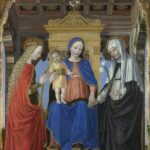 St. Catherine
Catherine’s extraordinary life and the miracles attributed to her led to her canonization in 1712 by Pope Clement XI. Her canonization recognized her as a saint and an exemplar of Christian virtue. The process of canonization involved a thorough investigation of her life, teachings, and the miracles associated with her. The Church confirmed her status as a saint, solidifying her place in the annals of Christian history.
Legacy and Influence
The legacy of St. Catherine of Bologna extends far beyond her lifetime. She is remembered not only as a saint but also as a patroness of artists and those who seek spiritual growth. Her life serves as an example of how faith can be integrated into every aspect of life, including creativity and community service. Many artists and writers have drawn inspiration from her teachings and works, creating a rich tradition of artistic expression rooted in spirituality.
In addition to her influence on artists, Catherine’s writings continue to inspire spiritual seekers today. Her emphasis on personal relationship with God resonates with many who seek a deeper understanding of their faith. Her teachings encourage individuals to cultivate their spiritual lives and to seek God in all aspects of their existence. Many modern spiritual practices can trace their roots back to her insights, highlighting her enduring impact on contemporary spirituality.
Feast Day and Celebrations
St. Catherine of Bologna is celebrated on March 9th each year, a day dedicated to honoring her life and contributions to the Christian faith. On this feast day, many churches hold special services and events to commemorate her legacy. These celebrations often include readings from her writings, prayers, and reflections on her life. The day serves as an opportunity for the faithful to come together and reflect on the values that St. Catherine embodied.
In addition to church services, some communities organize art exhibitions showcasing works inspired by St. Catherine. These exhibitions highlight the intersection of faith and creativity, celebrating her dual legacy as a saint and an artist. Through these celebrations, her influence continues to inspire new generations to explore their spiritual paths and express their faith through various forms of art.
St. Catherine’s Relics and Veneration
The relics of St. Catherine of Bologna are venerated in various locations, particularly in her hometown of Bologna. Her remains are housed in a beautiful shrine, where pilgrims and visitors come to pay their respects. The shrine serves as a testament to her enduring legacy and the impact she had on the community. People often leave prayers and offerings at her shrine, seeking her intercession in their lives.
Veneration of St. Catherine extends beyond Italy. Many Catholic communities around the world celebrate her life and teachings, recognizing her as a model of holiness and devotion. Her story is often shared in sermons and religious education programs, encouraging individuals to draw inspiration from her life and to deepen their own spiritual journeys.
Conclusion: A Life of Faith and Art
St. Catherine of Bologna’s life exemplifies the harmony between faith and creativity. Through her devotion to God and her artistic expressions, she has left a profound mark on Christian mythology. Her legacy continues to inspire individuals to pursue their spiritual paths while embracing their creative talents. As we reflect on her life, we are reminded of the importance of integrating our faith into all aspects of our lives, allowing it to guide our actions and inspire our creativity.