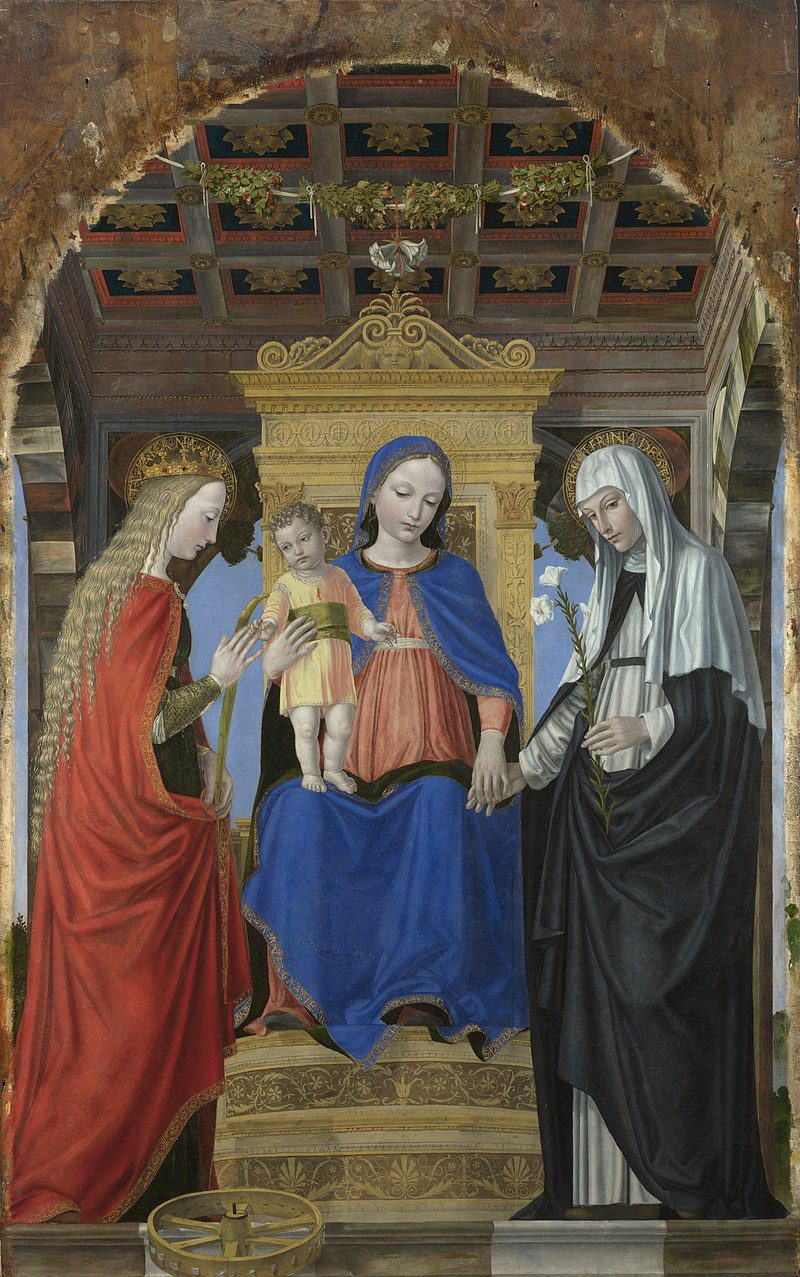
St. Catherine is a significant figure in Christian mythology, revered for her wisdom, courage, and steadfast faith. She is often associated with the early Christian martyrs and is celebrated for her unwavering commitment to her beliefs, even in the face of persecution. Her story has inspired countless individuals throughout history, and her legacy continues to resonate with many today. The life of St. Catherine serves as a powerful reminder of the strength that can be found in faith and conviction.
The Life of St. Catherine
St. Catherine of Alexandria is believed to have lived during the late third and early fourth centuries. According to tradition, she was born into a noble family in Alexandria, Egypt. From a young age, she displayed a remarkable intellect and a deep desire for knowledge. This thirst for learning led her to study various subjects, including philosophy and theology. Her profound understanding of these topics would later play a crucial role in her life, particularly when she was confronted by the Roman Emperor Maxentius.
 St. Catherine Of Palma
As a young woman, St. Catherine became a devout Christian, dedicating her life to God and the teachings of Jesus Christ. She was known for her piety and commitment to her faith. Her conversion is said to have been a transformative experience, leading her to seek a deeper understanding of Christianity. This commitment to her beliefs would ultimately lead her into conflict with the Roman authorities, who were actively persecuting Christians during this time.
Theological Debates and Martyrdom
St. Catherine’s most notable contribution to Christian mythology is her role in the theological debates against pagan philosophers. When Emperor Maxentius began to persecute Christians, he sought to undermine their faith by inviting a group of the most learned philosophers to debate with her. St. Catherine boldly accepted the challenge, demonstrating her extensive knowledge and eloquence in defending her beliefs. The debates were intense, with St. Catherine presenting compelling arguments for Christianity, which left the philosophers stunned and unable to counter her points.
Her victory in these debates only intensified the anger of Maxentius, who was not accustomed to being challenged by a young woman. As a result, he ordered her arrest and imprisonment. During her time in prison, St. Catherine continued to inspire fellow Christians with her unwavering faith. Despite the harsh conditions and the threat of torture, she remained steadfast, refusing to renounce her beliefs. Her courage during this period is a testament to her character and faith.
 St. Cassian Of Imola
The Symbolism of St. Catherine
St. Catherine is often depicted with a wheel, which symbolizes her martyrdom. According to legend, she was to be tortured on a spiked wheel, but when she touched it, the wheel miraculously shattered. This event has made the wheel a significant symbol in Christian art and iconography. The breaking of the wheel represents the triumph of faith over suffering and persecution. It serves as a reminder of St. Catherine’s strength and her ability to overcome the forces of evil.
In addition to the wheel, St. Catherine is also associated with a book, representing her knowledge and wisdom. This reflects her status as a scholar and her commitment to education. The book symbolizes the importance of learning and understanding in the Christian faith. It encourages believers to seek knowledge and truth, just as St. Catherine did throughout her life.
The Legacy of St. Catherine
The legacy of St. Catherine extends far beyond her lifetime. She has been venerated as a saint in both the Eastern Orthodox and Roman Catholic traditions. Her feast day is celebrated on November 25, and she is considered the patron saint of philosophers, students, and unmarried women. The impact of her life and teachings can be seen in various aspects of Christian culture and spirituality.
 St. Casimir Of Poland
Many churches and institutions are named in her honor, and her story continues to be told in religious teachings, literature, and art. St. Catherine’s life serves as an inspiration for those facing challenges to their faith. Her unwavering commitment to her beliefs encourages individuals to stand firm in their convictions, even when faced with adversity. Her example has motivated countless people to pursue knowledge and understanding in their spiritual journeys.
St. Catherine in Art and Literature
St. Catherine has been a popular subject in Christian art for centuries. Artists have depicted her in various ways, often highlighting her attributes of wisdom and courage. In many paintings, she is shown holding the wheel, the book, or both, symbolizing her dual role as a scholar and martyr. These artworks serve to inspire and educate viewers about her life and the significance of her faith.
In literature, St. Catherine’s story has been recounted in various forms, including hagiographies, poems, and plays. These works often emphasize her intellect and strength in the face of persecution. They portray her as a model of virtue and a source of inspiration for Christians throughout history. The retelling of her story in different mediums allows her legacy to reach diverse audiences, ensuring that her message of faith continues to resonate.
Modern-Day Veneration of St. Catherine
In contemporary society, St. Catherine remains a figure of inspiration for many Christians. Her story is often shared in religious education settings, encouraging young people to learn about her life and the importance of faith. Many churches celebrate her feast day with special services and events, allowing congregations to reflect on her contributions to Christianity.
St. Catherine’s example also resonates with those facing challenges in their own lives. Her ability to stand firm in her beliefs serves as a reminder that faith can provide strength in difficult times. Many individuals turn to her for intercession, seeking her guidance and support in their spiritual journeys. This modern-day veneration highlights the enduring impact of her life and the relevance of her story in today’s world.
The Importance of Education and Knowledge
One of the key themes in the life of St. Catherine is the importance of education and knowledge. Her commitment to learning and understanding is a vital aspect of her legacy. St. Catherine’s story encourages individuals to seek knowledge and engage with their faith on a deeper level. This pursuit of understanding is essential for personal and spiritual growth.
In a world filled with misinformation and confusion, the example set by St. Catherine serves as a guiding light. Her dedication to studying philosophy and theology emphasizes the value of critical thinking and discernment. Believers are called to examine their faith and understand the teachings of Christianity in a meaningful way. This approach not only strengthens their convictions but also equips them to engage in discussions about their beliefs with confidence.
St. Catherine and Feminism
St. Catherine’s life also raises important questions about the role of women in the Christian tradition. As a prominent female figure in early Christianity, she challenges traditional gender roles and expectations. Her intellectual prowess and ability to engage in theological debates demonstrate that women have always played a significant role in the development of Christian thought.
In recent years, scholars and theologians have revisited the story of St. Catherine, exploring its implications for modern discussions on gender and faith. Her legacy serves as an inspiration for women seeking to make their voices heard in religious contexts. St. Catherine’s example encourages women to pursue their passions and engage in theological discourse, reinforcing the idea that faith and intellect are not mutually exclusive.
The Role of Saints in Christianity
Saints hold a special place in the Christian tradition, serving as intercessors and role models for believers. They are often seen as individuals who have lived exemplary lives of faith and virtue. St. Catherine’s life embodies these qualities, making her a beloved figure among the saints. The veneration of saints provides Christians with tangible examples of how to live out their faith in daily life.
Saints like St. Catherine offer a sense of connection to the broader Christian community, transcending time and space. They remind believers that they are part of a larger story, one that spans centuries and cultures. The lives of saints serve as a source of inspiration and encouragement, motivating individuals to pursue holiness and strive for a deeper relationship with God.
St. Catherine’s life and legacy continue to inspire and resonate with people of faith around the world. Her unwavering commitment to her beliefs, her pursuit of knowledge, and her role as a female figure in Christianity make her a significant character in Christian mythology. Through her story, believers are encouraged to stand firm in their faith, seek knowledge, and embrace their roles in the ongoing narrative of Christianity. St. Catherine remains a beacon of hope and strength for those who seek to follow her example.