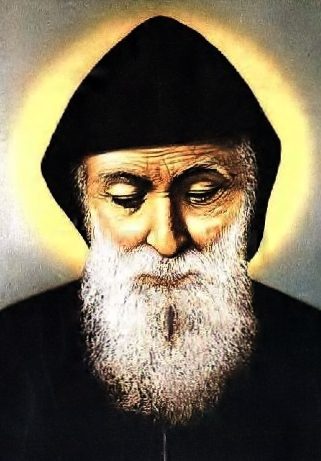
St. Charbel Makhlouf, a revered figure in Christian mythology, is known for his profound spirituality and commitment to monastic life. Born on May 8, 1828, in the village of Bekaa Kafra in Lebanon, he became a monk and hermit in the Maronite Church. His life and teachings continue to inspire many Christians around the world. Charbel’s legacy is marked by his deep faith, miraculous healings, and a life dedicated to God. As we explore his life and significance, we will uncover the various aspects of his spirituality and the impact he has had on the Christian community.
The Early Life of St. Charbel
St. Charbel Makhlouf was born into a humble family, and his early life was marked by a deep sense of spirituality. From a young age, he exhibited a strong inclination towards prayer and meditation. His parents, who were devout Christians, nurtured his faith and encouraged him to pursue a life dedicated to God. This foundation laid the groundwork for his future as a monk. He received his education at a local school, where he learned about the teachings of the Church and the importance of living a life of virtue.
 St. Chad
At the age of 23, Charbel decided to join the Maronite Monastery of Annaya. This decision marked a significant turning point in his life. The monastery provided him with an environment conducive to spiritual growth and discipline. He embraced the monastic life with great enthusiasm, committing himself to prayer, fasting, and serving others. Charbel’s dedication to his faith became evident as he took on various responsibilities within the monastery, including caring for the sick and assisting in the daily rituals.
The Monastic Life
St. Charbel’s monastic life was characterized by a profound commitment to solitude and prayer. He spent long hours in silence, seeking to deepen his relationship with God. This period of isolation allowed him to cultivate a rich inner life, marked by mystical experiences and visions. Charbel believed that solitude was essential for spiritual growth, and he often encouraged others to embrace silence in their lives. His time in the monastery was not just about personal piety; he also sought to help those around him, reflecting the love of Christ through his actions.
During his time as a monk, Charbel practiced extreme asceticism. He adhered to a strict diet, often fasting for long periods. This discipline was not just for personal holiness but was also intended to purify his spirit and draw him closer to God. His fellow monks admired his dedication and often sought his counsel on spiritual matters. Charbel became known for his wisdom and insight, and many came to him for guidance. His life in the monastery was a testament to the power of faith and the importance of living a life of service.
 St. Ceolfrid
Charbel as a Hermit
After several years in the monastery, St. Charbel felt called to a more solitary life. In 1859, he was granted permission to live as a hermit, retreating to a small cell where he could devote himself entirely to prayer and contemplation. This decision was a natural progression of his spiritual journey, as he sought to immerse himself fully in the presence of God. Living as a hermit allowed him to deepen his relationship with Christ and to experience the fullness of God’s love in solitude.
In his hermitage, Charbel engaged in intense prayer and meditation. He would often spend the entire night in prayer, seeking divine guidance and wisdom. His life as a hermit was marked by a profound sense of peace and joy, as he found solace in the silence and stillness of his surroundings. Charbel’s commitment to a life of prayer made him a beacon of light for others, and many sought him out for spiritual advice and blessings. His hermitage became a place of pilgrimage for those seeking healing and spiritual renewal.
Miracles and Healing
St. Charbel Makhlouf is widely known for the miracles attributed to him, particularly in the area of healing. After his death on December 24, 1898, reports of miraculous healings began to surface, drawing attention to his life and legacy. People from all walks of life came to visit his tomb, seeking intercession for their ailments and problems. The stories of these miracles have played a significant role in his canonization and the devotion many have towards him.
 St. Celestine V
One of the most notable miracles occurred shortly after his burial when a woman claimed to have been healed of a severe illness after praying at his tomb. This event sparked a wave of interest in St. Charbel and his intercessory powers. Over the years, countless individuals have reported miraculous healings, including recovery from terminal illnesses, disabilities, and chronic conditions. These accounts have contributed to his reputation as a saint who continues to perform miracles even after his death.
Canonization and Legacy
St. Charbel Makhlouf was officially canonized by the Catholic Church on October 9, 1977, by Pope Paul VI. His canonization recognized his life of holiness, commitment to God, and the miracles attributed to him. The Church honors him as a saint who exemplified the virtues of humility, charity, and devotion. His feast day is celebrated on July 24, and many Christians commemorate this day with prayers and special liturgies.
Charbel’s legacy extends beyond his miracles and canonization. He is considered a symbol of faith and perseverance, inspiring countless individuals to deepen their relationship with God. His life encourages believers to embrace a spirit of prayer and service, reminding them of the importance of living a life centered on Christ. St. Charbel’s teachings on the power of silence and solitude continue to resonate with those seeking spiritual growth in a noisy and chaotic world.
Devotion to St. Charbel
The devotion to St. Charbel Makhlouf has grown significantly over the years, particularly among the Maronite community and other Christians. Many people seek his intercession in times of need, believing in the power of his prayers. Various organizations and groups have been established to promote his teachings and to share stories of his miraculous works. These groups often organize pilgrimages to his tomb in Annaya, Lebanon, where thousands gather to pray and seek healing.
In addition to pilgrimages, many churches and communities celebrate special liturgies in honor of St. Charbel. These celebrations often include prayers for healing and intercession, drawing the faithful together in a spirit of unity and devotion. His life and example serve as a reminder of the importance of faith in everyday life. St. Charbel’s influence is also evident in various religious artifacts, such as medals and icons, which are widely distributed among the faithful as a means of fostering devotion and connection to the saint.
St. Charbel in Popular Culture
St. Charbel Makhlouf has also made an impact on popular culture, with numerous books, documentaries, and films dedicated to his life and teachings. These works aim to share his message of faith and the importance of prayer in the lives of individuals. Many authors have written about his life, highlighting his dedication to God and the miracles attributed to him. These narratives serve to inspire a new generation of believers and encourage them to seek a deeper relationship with the divine.
In addition to written works, various artistic representations of St. Charbel can be found in churches and homes around the world. Icons and paintings depict him in prayerful poses, often surrounded by symbols of his spirituality, such as the cross and the Bible. These images serve as reminders of his life and the virtues he embodied. The continued interest in St. Charbel reflects the timeless nature of his message and the relevance of his teachings in today’s world.
St. Charbel Makhlouf remains a vital figure in Christian mythology, inspiring countless individuals through his life of faith, miracles, and teachings. His commitment to a life of prayer and service serves as a model for believers seeking to deepen their relationship with God. The stories of his miraculous healings and the devotion surrounding his life continue to resonate with people around the world. As we reflect on St. Charbel’s legacy, we are reminded of the power of faith and the importance of living a life centered on love and service.