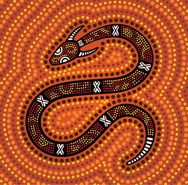
Wawalag is a significant figure in Australian Aboriginal mythology, particularly among the Yolŋu people of Arnhem Land in the Northern Territory. This character is often associated with the creation stories and the natural world, embodying various elements of life and nature. The stories of Wawalag are rich and complex, passed down through generations, reflecting the deep connection that Aboriginal cultures have with their land and spirituality. The mythology surrounding Wawalag is not just a collection of tales; it serves as a vital framework for understanding the Yolŋu worldview and their relationship with the environment.
The Significance of Wawalag
Wawalag plays a crucial role in the spiritual beliefs of the Yolŋu people. This figure is often seen as a creator spirit who shaped the land and its features. The stories about Wawalag explain how certain geographical formations came to be, linking them to the actions and journeys of this mythical being. For the Yolŋu, these narratives are not merely entertainment; they provide a moral framework and a guide for living in harmony with nature. Wawalag embodies the principles of respect and responsibility towards the environment, which are essential for the survival of the community.
 Waramurunggundji
In many tales, Wawalag is depicted as a figure who moves through the landscape, creating rivers, mountains, and other natural features. The Yolŋu believe that Wawalag’s footprints can still be seen in the land, serving as a reminder of the interconnectedness of all living things. This connection emphasizes the importance of land stewardship and the need to protect the environment for future generations. The stories of Wawalag also highlight the significance of oral traditions in preserving cultural knowledge and practices.
Wawalag and the Dreamtime
The concept of Dreamtime is central to Aboriginal mythology, representing a time when ancestral spirits created the world and established the laws of existence. Wawalag is often associated with this sacred time, embodying the principles and values that guide the Yolŋu people. In the Dreamtime stories, Wawalag interacts with other ancestral beings, each contributing to the formation of the world as it is known today. These interactions are not just historical; they are ongoing, influencing the present and the future.
Dreamtime stories serve multiple purposes, including teaching lessons about morality, explaining natural phenomena, and preserving the history of the Yolŋu people. Wawalag’s adventures often illustrate themes of balance and harmony within the ecosystem. For example, one story might describe how Wawalag created a river to provide water for animals, emphasizing the importance of water as a life-giving resource. Such narratives reinforce the idea that all elements of nature are interconnected and that the actions of one can impact the whole.
 Wapiya
The Stories of Wawalag
The stories of Wawalag vary among different Yolŋu clans, each adding their unique interpretations and details. These stories are often told during ceremonial gatherings and are accompanied by songs, dances, and artwork that enhance the narrative. One common theme is Wawalag’s journey through the land, where he encounters various challenges and creatures, teaching important lessons along the way. These stories are not static; they evolve with each telling, reflecting the changing relationship between the people and their environment.
- Creation of Rivers: One popular story describes how Wawalag created a river to nourish the land and its inhabitants. This river symbolizes life and sustenance.
- Interactions with Animals: Wawalag often interacts with animals, teaching them how to coexist peacefully and highlighting the importance of respect for all living beings.
- Lessons of Morality: Many stories conclude with a moral lesson, reinforcing the values of the Yolŋu people and their understanding of right and wrong.
These narratives are not only entertaining but also serve as a means of education for younger generations. Through the stories of Wawalag, children learn about their cultural heritage, the importance of the land, and the values that guide their community. This oral tradition is crucial for the preservation of Yolŋu identity and spirituality, ensuring that the teachings of Wawalag continue to resonate through time.
Wawalag in Contemporary Culture
In contemporary times, the stories of Wawalag have found new expressions in various art forms, including visual arts, theater, and literature. Aboriginal artists often draw inspiration from Wawalag’s tales, creating works that reflect their cultural identity and connection to the land. These artistic expressions not only celebrate Yolŋu heritage but also raise awareness about the issues facing Indigenous communities today, such as land rights and environmental conservation.
 Wandjina
Moreover, the teachings of Wawalag are increasingly recognized in discussions about sustainability and environmental stewardship. The principles embedded in the stories—such as respect for nature and the interconnectedness of all life—are relevant to contemporary challenges like climate change. By sharing the stories of Wawalag, the Yolŋu people contribute to a broader understanding of sustainable practices and the importance of preserving cultural knowledge.
Wawalag and Land Rights
The stories of Wawalag are deeply intertwined with the Yolŋu people’s connection to their land. This relationship is not just spiritual; it has significant legal implications, particularly regarding land rights. The Yolŋu have long fought for recognition of their traditional lands, asserting their rights based on the stories and practices passed down through generations. Wawalag’s narratives serve as a foundation for these claims, illustrating the deep ties between the people and the land.
In legal contexts, the stories of Wawalag are often used to demonstrate the Yolŋu’s continuous connection to their territory. This connection is crucial for asserting their rights and sovereignty over the land. The recognition of these stories and their significance is vital for the preservation of Yolŋu culture and identity, as well as for the protection of their traditional lands from exploitation and environmental degradation.
Wawalag in Education
The teachings of Wawalag are increasingly being integrated into educational curricula, particularly in schools that serve Indigenous students. By incorporating these stories into the classroom, educators can provide students with a sense of identity and belonging. Learning about Wawalag and other cultural figures helps students understand their heritage and the values that shape their communities. This educational approach promotes a greater appreciation for cultural diversity and encourages respect for different worldviews.
Furthermore, the integration of Wawalag’s stories into education can foster a sense of pride among Yolŋu students. It reinforces the idea that their culture is valuable and worthy of recognition. This pride can have a positive impact on students’ self-esteem and academic performance, as they see their heritage reflected in the curriculum. In this way, the stories of Wawalag contribute to the empowerment of Indigenous youth and the preservation of their cultural identity.
The Future of Wawalag Stories
The future of Wawalag’s stories depends on the ongoing efforts of the Yolŋu people to keep their traditions alive. As younger generations learn about their cultural heritage, they play a crucial role in passing down the stories of Wawalag. This transmission of knowledge is essential for ensuring that the teachings of Wawalag continue to resonate in the modern world. The use of technology, such as digital storytelling and social media, also presents new opportunities for sharing these narratives with a broader audience.
By embracing contemporary forms of expression while honoring traditional practices, the Yolŋu people can ensure that the stories of Wawalag remain relevant. This adaptability is key to the survival of their culture in a rapidly changing world. As Wawalag’s stories continue to evolve, they will undoubtedly inspire future generations to appreciate their heritage and the lessons embedded within these narratives.
Wawalag and the Environment
The stories of Wawalag carry significant lessons about environmental stewardship and sustainability. The Yolŋu people have long understood the importance of living in harmony with nature, and Wawalag’s narratives reinforce this principle. Through tales of creation and interaction with the natural world, Wawalag teaches the value of respecting the land and its resources. These teachings are particularly relevant in today’s context of environmental degradation and climate change.
By highlighting the interconnectedness of all living things, Wawalag’s stories encourage a holistic approach to environmental management. The Yolŋu believe that their responsibilities extend beyond their immediate community, encompassing the entire ecosystem. This perspective aligns with contemporary movements advocating for sustainability and ecological balance, demonstrating the timeless relevance of Wawalag’s teachings.
Wawalag in Art and Performance
Art and performance are vital aspects of Yolŋu culture, providing a means to express and share the stories of Wawalag. Visual artists often depict scenes from Wawalag’s adventures, using traditional techniques and materials to create vibrant representations of their heritage. These artworks serve not only as cultural expressions but also as educational tools, allowing viewers to engage with Yolŋu mythology and values.
Similarly, performances, including traditional dances and theatrical presentations, bring the stories of Wawalag to life. These performances often take place during community gatherings and ceremonies, fostering a sense of unity and cultural pride. By engaging with these artistic forms, the Yolŋu people can share their stories with both their community and a wider audience, ensuring that the teachings of Wawalag continue to resonate across generations.
The Role of Wawalag in Yolŋu Identity
Wawalag is more than just a character in mythology; he is a symbol of Yolŋu identity and resilience. The stories of Wawalag reflect the values, beliefs, and practices that define the Yolŋu people. In a world that often seeks to marginalize Indigenous cultures, Wawalag serves as a reminder of the strength and richness of Yolŋu heritage. Through the stories of Wawalag, the Yolŋu people assert their place in the world and their commitment to preserving their culture.
As the Yolŋu navigate the challenges of modernity, the teachings of Wawalag provide guidance and inspiration. The values of respect, responsibility, and connection to the land are more important than ever in the face of environmental and social challenges. By embracing their cultural heritage and sharing the stories of Wawalag, the Yolŋu people can empower themselves and future generations to advocate for their rights and the preservation of their identity.
Conclusion: The Enduring Legacy of Wawalag
The legacy of Wawalag is a testament to the resilience and strength of the Yolŋu people. Through the stories and teachings of this important figure, the Yolŋu maintain a deep connection to their culture, land, and spirituality. Wawalag’s narratives serve as a bridge between the past and the present, ensuring that the values and principles of Yolŋu culture continue to thrive in a rapidly changing world. As long as the stories of Wawalag are told and celebrated, the spirit of the Yolŋu people will endure, carrying forward their rich cultural heritage for generations to come.