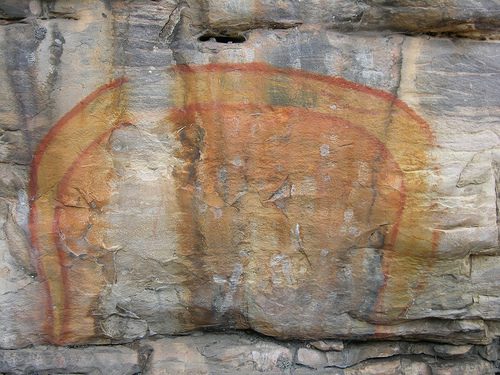
In the rich tapestry of Australian Aboriginal mythology, Yalungur holds a significant place. Yalungur is a character deeply rooted in the stories and traditions of the Aboriginal people. This figure is not just a simple character; instead, Yalungur represents complex themes of creation, nature, and the connection between the land and its people. The tales of Yalungur are passed down through generations, showcasing the importance of oral traditions in preserving the history and beliefs of Aboriginal cultures. These stories often serve as a means of teaching values, morals, and the significance of respecting the environment.
The Origin of Yalungur
The stories surrounding the origin of Yalungur vary among different Aboriginal tribes. Some tribes believe that Yalungur was created by the Dreamtime ancestors, who shaped the land and its inhabitants. The Dreamtime is a central concept in Aboriginal mythology, representing a time when the world was created. Yalungur is often depicted as a powerful figure who has the ability to influence nature and the elements. This connection to the Dreamtime highlights the belief that Yalungur is not merely a character but a manifestation of the spiritual world that is intertwined with the physical realm.
 Wuraka
In some accounts, Yalungur is described as a serpent or a snake, symbolizing strength and transformation. The serpent is a potent symbol in many cultures, representing the cycle of life, death, and rebirth. Yalungur’s serpentine form allows it to navigate both the earth and the waters, embodying the duality of existence. This shape-shifting ability signifies the fluidity of life and the ever-changing nature of the world around us. The connection to water is particularly important, as it emphasizes the significance of rivers and lakes in Aboriginal culture.
The Role of Yalungur in Creation Stories
Yalungur plays a crucial role in various creation stories that explain how the world and its inhabitants came to be. In these tales, Yalungur often interacts with other ancestral beings, each contributing to the formation of the landscape. For example, one story might depict Yalungur carving out rivers with its body, while another could illustrate the creation of mountains through a battle between Yalungur and other mythological creatures. These narratives not only explain the physical features of the land but also reflect the values and beliefs of the communities that tell them.
In many of these creation stories, Yalungur is also responsible for establishing the laws of the land. These laws govern the behavior of both people and animals, ensuring harmony between all living things. The stories often emphasize the importance of respecting nature and understanding one’s place within it. By teaching these lessons through the figure of Yalungur, Aboriginal cultures instill a sense of responsibility and stewardship towards the environment in their communities.
 Wuluwait
Key Themes in Yalungur’s Stories
- Connection to Nature: Yalungur embodies the relationship between the land and its people.
- Balance and Harmony: The stories emphasize the need for balance in nature and within communities.
- Respect for Ancestors: Yalungur serves as a reminder of the teachings and wisdom of the Dreamtime ancestors.
- Transformation: The ability of Yalungur to change forms highlights the fluidity of life.
Yalungur in Contemporary Culture
In contemporary Australian society, Yalungur’s significance extends beyond ancient stories. Many Aboriginal artists and storytellers draw inspiration from Yalungur to express their cultural heritage. This can be seen in various forms of art, including paintings, sculptures, and performances. By incorporating Yalungur into their work, artists not only celebrate their culture but also educate others about the rich mythology that exists within Aboriginal traditions.
Additionally, Yalungur has become a symbol of cultural resilience among Aboriginal communities. Despite the challenges faced by these communities, the stories of Yalungur and other mythological figures continue to thrive. This resilience is crucial for the preservation of Aboriginal identity and culture. Yalungur’s tales serve as a bridge connecting past and present, allowing younger generations to understand their roots and the importance of their heritage.
The Importance of Oral Tradition
The stories of Yalungur are primarily transmitted through oral tradition, a method that has been used by Aboriginal cultures for thousands of years. This mode of storytelling is vital for the preservation of cultural knowledge and practices. Oral traditions allow for the dynamic retelling of stories, adapting them to fit contemporary contexts while retaining their core messages. Elders play a crucial role in this process, acting as custodians of knowledge who pass down the tales to younger generations.
 Widjingara
Oral storytelling is not just about sharing stories; it is also a communal activity that fosters connections within the community. Gatherings where stories are told often include music, dance, and other forms of artistic expression. These events strengthen community bonds and reinforce shared values and beliefs. Through these gatherings, the stories of Yalungur come to life, reminding everyone of their interconnectedness and the importance of their cultural heritage.
Lessons from Yalungur’s Tales
The tales of Yalungur are rich with lessons that resonate with people of all ages. One of the most significant lessons is the importance of respecting nature. Yalungur’s interactions with the environment serve as a reminder that humans are just one part of a larger ecosystem. The stories often illustrate the consequences of disrupting this balance, highlighting the need for stewardship and care for the land.
Another vital lesson is the significance of community. Yalungur’s stories often involve collaboration with other ancestral beings, emphasizing the idea that strength lies in unity. These narratives encourage individuals to work together for the greater good, fostering a sense of belonging and responsibility within the community. This theme is especially relevant in today’s world, where collaboration and mutual support are essential for overcoming challenges.
Yalungur and the Spiritual Realm
Yalungur is not only a figure of the physical world but also a representation of the spiritual realm. The connection between Yalungur and the Dreamtime ancestors signifies the belief that the spiritual world influences the physical world. Many Aboriginal people see Yalungur as a guardian spirit, watching over the land and its inhabitants. This belief instills a sense of respect and reverence for the environment, as it is seen as a living entity imbued with spiritual significance.
Rituals and ceremonies often invoke Yalungur, seeking guidance and blessings. These practices vary among different Aboriginal groups, but they all share a common thread of acknowledging the interconnectedness of all life. By honoring Yalungur in these ceremonies, communities reinforce their commitment to preserving their culture and the natural world. This spiritual connection also serves as a source of strength and resilience in the face of adversity.
Conclusion of Yalungur’s Influence
The influence of Yalungur in Australian Aboriginal mythology is profound and multifaceted. From its origins in the Dreamtime to its role in contemporary culture, Yalungur remains a vital symbol of connection, balance, and respect for nature. The stories surrounding this figure are not just tales of the past; they are living narratives that continue to shape the beliefs and values of Aboriginal communities today. Through the preservation of Yalungur’s stories, future generations will carry forward the wisdom and teachings that have been passed down through time, ensuring that the legacy of Yalungur endures for years to come.