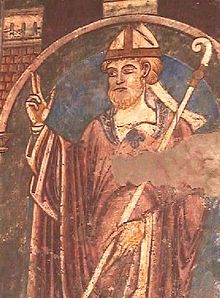
St. Cuthbert is one of the most revered saints in Christian mythology, particularly within the context of the British Isles. His life and legacy are rich in spiritual significance and historical impact, drawing attention from scholars, theologians, and laypeople alike. Born around 635 AD in Northumbria, England, Cuthbert’s journey from a humble shepherd to a prominent figure in the church is both inspiring and intriguing. His story intertwines with themes of faith, miracles, and a profound connection to the natural world, making him a central figure in the mythology of early Christianity in Britain.
The Early Life of St. Cuthbert
Cuthbert was born into a modest family, and from a young age, he exhibited a strong inclination toward spirituality. The environment of Northumbria during this time was marked by the spread of Christianity, and young Cuthbert was influenced by the teachings of local monks and clergy. It is said that he had a deep connection to nature, often spending time in the fields and woods, where he felt a strong presence of the divine. This connection to the natural world would later play a significant role in his life as a monk and a bishop.
 St. Cunigunde
According to various accounts, Cuthbert experienced a profound spiritual awakening at the age of 15. He was inspired by the stories of the monks who had dedicated their lives to serving God. This inspiration led him to join a monastery, where he began his formal education in theology and scripture. The monastery was a place of rigorous discipline and devotion, and Cuthbert thrived in this environment, showing exceptional promise as a future leader in the church.
During his early years in the monastery, Cuthbert was known for his compassion and dedication to helping others. He took on various responsibilities, including caring for the sick and assisting with the community’s daily needs. His deep faith and commitment to service earned him the respect of his peers and superiors. It was during this time that he began to be recognized for his ability to perform miracles, which further solidified his reputation as a holy man.
Cuthbert’s Monastic Life
St. Cuthbert’s monastic life was characterized by strict adherence to the rules of the monastic order. He joined the community at Melrose Abbey, where he lived a life of prayer, fasting, and contemplation. The monks at Melrose were known for their dedication to the principles of Christianity, and Cuthbert quickly became a model of virtue and piety within the community. His days were filled with prayer, meditation, and the study of the scriptures, which laid the foundation for his future as a leader in the church.
 St. Crispin Of Viterbo
One of the key aspects of Cuthbert’s monastic life was his commitment to solitude and prayer. He often retreated to the nearby hills and islands to seek solitude and commune with God. These experiences in nature deepened his spiritual insight and strengthened his relationship with the divine. The beauty of the natural world around him became a source of inspiration and reflection, and he often incorporated these elements into his teachings.
As Cuthbert’s reputation grew, so did his responsibilities. He was eventually appointed as the prior of Melrose Abbey, where he oversaw the daily operations of the monastery and guided the spiritual development of the monks under his care. His leadership was marked by a strong emphasis on community, charity, and the importance of living a life devoted to God. He encouraged his fellow monks to engage with the local community, sharing their faith and providing support to those in need.
Miracles and Legends
The life of St. Cuthbert is filled with accounts of miracles and extraordinary events that contributed to his legendary status. One of the most famous stories involves his ability to heal the sick and afflicted. Many people traveled from far and wide seeking his intercession, believing that his prayers could bring about miraculous cures. These healing stories not only demonstrate Cuthbert’s spiritual power but also highlight the deep faith of the people who sought his help.
 St. Crispin And St.Crispinian
Another notable miracle attributed to Cuthbert is the story of the wild animals that came to him during his time in solitude. It is said that he had a unique ability to communicate with animals, and they would approach him without fear. This connection to wildlife further emphasized his role as a caretaker of God’s creation and reinforced the idea that he was a true servant of God. Many of his followers believed that these encounters were a sign of his holiness and divine favor.
- Healing the sick: Many accounts detail how Cuthbert healed individuals suffering from various ailments.
- Communicating with animals: Stories of Cuthbert’s interactions with wildlife showcase his deep connection to nature.
- Prophecies: Cuthbert was known for making predictions that came true, further solidifying his reputation as a holy man.
Additionally, Cuthbert was said to have the gift of prophecy. He would often foretell events, both significant and personal, that would later come to pass. These prophecies not only served to bolster his reputation but also provided comfort and guidance to those who sought his counsel. His ability to foresee the future was viewed as a divine gift, further establishing him as a central figure in the spiritual life of Northumbria.
Cuthbert as a Bishop
St. Cuthbert’s journey eventually led him to become the Bishop of Lindisfarne, a position that allowed him to have a more significant impact on the Christian community. As a bishop, he was responsible for overseeing the spiritual well-being of his diocese, providing guidance to the clergy, and ensuring that the teachings of the church were upheld. His leadership was characterized by a strong commitment to evangelism and education, as he sought to spread the message of Christianity throughout the region.
During his time as bishop, Cuthbert continued to prioritize a life of prayer and reflection. He often retreated to his hermitage on the island of Inner Farne, where he could engage in deep spiritual practices away from the distractions of the world. His dedication to a life of simplicity and prayer served as an example to others, inspiring many to adopt similar practices in their spiritual journeys.
Cuthbert’s tenure as bishop was also marked by a focus on community engagement. He encouraged his fellow clergy to actively participate in the lives of their congregations, emphasizing the importance of service and compassion. Under his leadership, the church in Lindisfarne flourished, and many people were drawn to the teachings of Christianity, leading to a significant increase in conversions and a strengthening of the local faith community.
The Legacy of St. Cuthbert
The legacy of St. Cuthbert extends far beyond his lifetime. After his death in 687 AD, he became a symbol of faith and devotion for Christians in the British Isles. His remains were believed to possess miraculous powers, and many people sought to visit his tomb to receive blessings and healing. The veneration of Cuthbert grew, and he was canonized as a saint, solidifying his place in Christian mythology.
In the years following his death, Cuthbert’s influence continued to spread. Monasteries and churches were built in his honor, and he became the patron saint of several regions, including Northumberland and the Diocese of Durham. His life and teachings were documented in various texts, most notably the “Life of St. Cuthbert,” written by Bede, a renowned historian and theologian. This work helped to preserve his story and ensure that future generations would remember his contributions to the Christian faith.
Today, St. Cuthbert is celebrated through various festivals and commemorations, particularly on his feast day, which falls on March 20. Pilgrimages to his shrine at Durham Cathedral continue to attract visitors, reflecting the enduring impact of his life and teachings. The stories of his miracles and the lessons of his faith remain relevant, inspiring countless individuals to pursue a deeper relationship with God and to serve their communities with compassion and love.
St. Cuthbert in Art and Literature
The life and legacy of St. Cuthbert have inspired countless works of art and literature throughout the centuries. Artists have depicted his life, miracles, and the natural beauty surrounding him in various forms, including paintings, sculptures, and stained glass windows. These artistic representations serve to honor his memory and communicate his message of faith and devotion to new generations.
In literature, the writings about St. Cuthbert, especially those by Bede, have played a crucial role in shaping the understanding of his life and significance. Bede’s accounts provide valuable insights into the cultural and spiritual landscape of early medieval England. His works not only recount the miracles and events of Cuthbert’s life but also reflect the broader context of the spread of Christianity in Britain. These texts have been studied extensively and remain essential for understanding the history of the church during this period.
In modern times, Cuthbert’s story continues to resonate with people of faith. Many authors and theologians draw upon his life as a source of inspiration, exploring themes of faith, service, and the importance of a deep connection to God. His legacy is often invoked in discussions about environmental stewardship, as his love for nature and all living things serves as a reminder of the responsibility that humanity has to care for the earth.
St. Cuthbert’s Influence on Modern Christianity
St. Cuthbert’s influence on modern Christianity is profound and far-reaching. His life serves as a model for many who seek to live a life of faith and service. The values he espoused—compassion, humility, and a deep commitment to God—continue to resonate with Christians today. Many churches and communities draw inspiration from his example, encouraging members to engage in acts of service and outreach.
Additionally, Cuthbert’s teachings on the importance of prayer and contemplation have found a renewed interest in contemporary spirituality. Many people today seek to incorporate these practices into their daily lives, recognizing the value of taking time for reflection and connection with the divine. Cuthbert’s emphasis on solitude and the beauty of nature aligns with modern movements that prioritize mindfulness and environmental awareness.
The celebration of St. Cuthbert’s feast day and the ongoing veneration of his relics also highlight his enduring significance. Pilgrimages to sites associated with him continue to attract people seeking spiritual renewal and connection to their faith. These practices reflect a deep-rooted appreciation for the saints and their contributions to the Christian tradition, emphasizing the communal aspect of faith that Cuthbert embodied.
St. Cuthbert remains a central figure in Christian mythology, embodying the virtues of faith, service, and a deep connection to the divine. His life story, filled with miracles and acts of compassion, continues to inspire countless individuals in their spiritual journeys. As a saint, his legacy serves as a reminder of the profound impact that one person’s faith can have on the world, encouraging us all to seek a deeper relationship with God and to serve those around us with love and compassion.