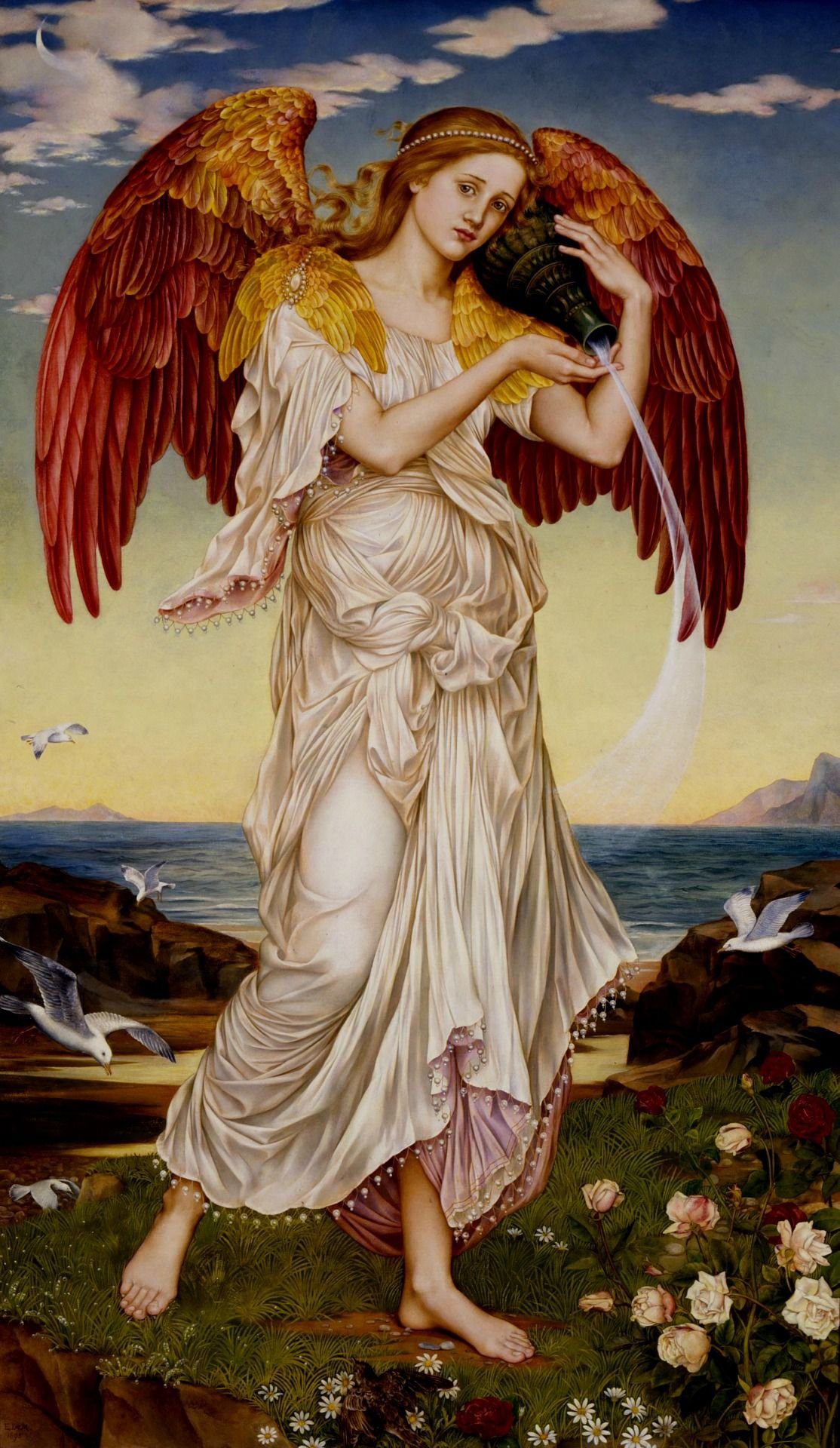
Eos, the goddess of dawn in Greek mythology, is a fascinating figure who represents the transition from night to day. She is often depicted as a beautiful woman with rosy fingers or golden wings, heralding the arrival of the sun. Eos is one of the Titanesses, daughters of Hyperion and Theia, and is associated with the first light of day. In many ancient texts, she plays a crucial role in various myths, often seen as a symbol of hope and renewal. Her character embodies the beauty and fragility of dawn, emphasizing the importance of light in the world.
The Family of Eos
Eos is part of a larger family of deities in Greek mythology. Her siblings include Helios, the sun god, and Selene, the moon goddess. This family trio symbolizes the three main celestial bodies that govern the day and night. Eos, being the goddess of dawn, is often portrayed as the one who wakes up the world. Her role is vital as she awakens both gods and mortals, allowing the sun to rise and bring light to the earth.
 Epaphus
In addition to her siblings, Eos has a number of children. She is known to have had several offspring with different lovers. Among her children are the Winds, known as the Anemoi, who are essential in Greek mythology for their roles in weather and navigation. The Anemoi include Boreas (the North Wind), Notus (the South Wind), Eurus (the East Wind), and Zephyrus (the West Wind). These winds represent different aspects of nature, further emphasizing Eos’s connection to the changing times of day.
The Myth of Eos and Tithonus
One of the most famous myths involving Eos is her love story with Tithonus, a mortal prince. According to the legend, Eos fell in love with Tithonus and asked Zeus, the king of the gods, to grant him immortality so they could be together forever. Zeus granted her wish, but Eos forgot to ask for eternal youth as well. As time passed, Tithonus aged while Eos remained eternally youthful. This tragic turn of events led to Tithonus becoming increasingly frail, eventually turning into a cicada, a creature that symbolizes the passage of time and the inevitability of aging.
This myth highlights the themes of love, desire, and the consequences of wishes. Eos’s story with Tithonus serves as a reminder that sometimes, even the most passionate love can lead to unforeseen outcomes. Their relationship is often interpreted as a metaphor for the fleeting nature of life and the beauty of moments that eventually fade away.
 Ephialtes
Eos in Art and Literature
Eos has been a popular subject in art and literature throughout history. In ancient Greek art, she is often depicted as a beautiful woman with bright wings, gracefully rising in the sky. Many artists have captured her essence through various mediums, including pottery, sculpture, and paintings. These artworks often emphasize her role as the bringer of light and the start of a new day.
In literature, Eos appears in several ancient texts, including the Homeric Hymns and the works of poets like Hesiod and Ovid. Her presence in these texts showcases her importance in Greek mythology and the way she embodies the beauty of dawn. Writers often use her as a symbol of hope and new beginnings, reflecting the universal human experience of waking up to a new day filled with possibilities.
The Symbolism of Eos
The symbolism of Eos extends beyond her role as the goddess of dawn. She represents renewal, hope, and the cyclical nature of life. The dawn is a time when darkness gives way to light, symbolizing the potential for change and growth. Eos’s emergence each morning serves as a reminder that no matter how dark the night may be, the light will eventually return.
 Epimeliads
Furthermore, Eos can be seen as a symbol of transformation. Just as the dawn transforms the night into day, individuals can experience personal transformations in their lives. Eos embodies the idea that change is a natural part of existence and that every new day brings the opportunity for renewal and new experiences.
Eos and the Changing Seasons
In addition to her role as the goddess of dawn, Eos is often associated with the changing seasons. As the days lengthen in spring and summer, Eos is seen as a joyful figure, celebrating the beauty of nature. In contrast, during autumn and winter, her presence can be perceived as a reminder of the cold and dark times ahead. This connection to the seasons emphasizes the cyclical nature of life and the importance of balance.
The changing seasons also reflect the passage of time, which is a significant theme in Eos’s mythology. Just as dawn leads to day, each season transitions into the next, reminding us that change is constant. Eos’s character encourages us to embrace these changes and find beauty in every moment, whether it be the warmth of summer or the chill of winter.
Eos in Modern Culture
Eos’s influence extends into modern culture, where she is often referenced in various forms of media. From literature to film, her character is used to symbolize new beginnings and the beauty of light. Many contemporary works draw inspiration from her myth, illustrating the timeless nature of her story and its relevance to modern audiences.
In addition to literature and film, Eos has also made her mark in music and visual arts. Songs and albums often use her name or symbolism to convey themes of hope, love, and transformation. Artists continue to depict her in their work, showcasing the enduring appeal of her character and the messages she represents.
The Worship of Eos
Eos was worshipped in ancient Greece, although not as prominently as some of the major Olympian gods. Her cult was more common in regions where the significance of dawn was particularly valued. Festivals and rituals were held in her honor, often coinciding with the arrival of spring when the days began to lengthen. These celebrations were a way for communities to express their gratitude for the light and warmth that Eos brought into their lives.
In some traditions, people would offer prayers and sacrifices to Eos, seeking her blessings for a good harvest and favorable weather. The dawn was seen as a time of purity and renewal, making it an appropriate moment for worship. Through these rituals, the ancient Greeks acknowledged the importance of Eos in their daily lives and the natural world.
The Legacy of Eos
The legacy of Eos endures in various aspects of modern life. Her symbolism of dawn and renewal resonates with people around the world, reminding us of the beauty of new beginnings. The concept of a new day offers hope and encouragement, inspiring individuals to embrace change and pursue their dreams. Eos serves as a powerful reminder that each morning is an opportunity to start anew.
Furthermore, Eos’s story continues to be a source of inspiration for artists, writers, and musicians. Her character embodies themes of love, transformation, and the passage of time, making her a timeless figure in mythology. The myths surrounding Eos encourage us to reflect on our own lives, prompting us to consider the changes we face and the potential for growth that each new day brings.
In the tapestry of Greek mythology, Eos stands out as a symbol of light, hope, and renewal. Her stories remind us of the beauty of dawn and the importance of embracing change. As the goddess of dawn, Eos continues to inspire individuals across cultures, encouraging us to seek the light even in the darkest of times. Her legacy is a testament to the enduring power of mythology and the universal themes that resonate with humanity.