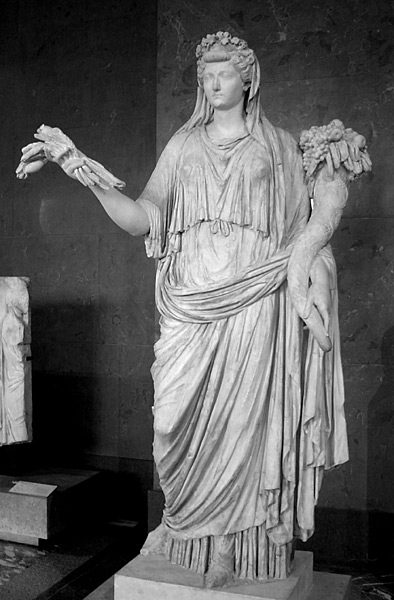
In Roman mythology, Ops is a significant goddess associated with fertility, abundance, and the earth. She is often regarded as the goddess of wealth and the harvest, embodying the bounty that the earth can provide. Ops is frequently linked with the concept of agricultural prosperity, representing the blessings that come from a successful harvest. Her name is derived from the Latin word “opes,” which means wealth or resources, highlighting her importance in Roman culture and religion. As a vital deity, Ops played a crucial role in the agricultural cycles that sustained the Roman population.

The Role of Ops in Roman Religion
Ops was considered one of the principal deities in the Roman pantheon. She was often worshipped alongside her consort, Saturn, the god of sowing and seed. Together, they represented the cycle of planting and harvesting, which was fundamental to the survival of Roman society. The worship of Ops was particularly important during the festival of Saturnalia, a time of feasting and celebration that honored the abundance of the earth. This festival emphasized the connection between Ops and the agricultural calendar, showcasing her influence on both the land and the people.
The Romans held various rituals and ceremonies in honor of Ops, reflecting her significance in their daily lives. These rituals often included offerings of fruits, grains, and other agricultural products to seek her favor for a fruitful harvest. The connection between Ops and the earth was symbolized through these offerings, demonstrating the deep respect the Romans had for their agricultural roots. Additionally, Ops was often invoked during times of need, particularly during droughts or poor harvests, as people sought her intervention to restore balance and abundance to their fields.
Symbolism and Attributes of Ops
Ops is commonly depicted in Roman art and literature with various symbols that represent her divine attributes. One of her most notable symbols is the cornucopia, a horn overflowing with fruits and grains, symbolizing abundance and prosperity. This imagery underscores her role as a provider of sustenance and wealth, making her a beloved figure among farmers and the working class. The cornucopia is often associated with other deities of abundance, reinforcing Ops’s position as a key figure in the agricultural cycle.
 Pales
PalesAnother important symbol of Ops is the sheaf of wheat, representing the harvest and the earth’s fertility. Wheat was a staple food in ancient Rome, making it a significant element in their agricultural practices. By associating Ops with wheat, the Romans recognized her as a crucial force in ensuring food security and stability within their society. The sheaf of wheat also reflects the importance of agriculture in Roman life, illustrating how deeply interconnected their culture was with the land.
Ops and Her Relationship with Saturn
The relationship between Ops and Saturn is a central aspect of her mythology. Saturn, as the god of sowing, represented the initial stages of agricultural production, while Ops symbolized the resulting abundance and harvest. This dynamic partnership highlights the cyclical nature of farming, where planting leads to reaping. Together, they embody the agricultural processes that were essential for the survival of the Roman people. Their union was celebrated during the Saturnalia festival, which honored the turning of the seasons and the blessings of the earth.
- Fertility: Ops was revered for her role in ensuring fertility in both the land and among the people.
- Harvest: She was often called upon to bless the harvest, ensuring a bountiful yield.
- Abundance: Ops represented the wealth that came from the earth, making her a goddess of prosperity.
In some myths, Ops is portrayed as the mother of several important deities, including Jupiter, the king of the gods. This maternal aspect further emphasizes her role as a nurturing figure, responsible for the growth and sustenance of both crops and divine beings. The connection between Ops and Saturn also extends to the themes of time and cycles, as their influence was felt throughout the agricultural year. This relationship reflects the Romans’ understanding of the interconnectedness of life, nature, and the divine.
 Palladium
Festivals and Celebrations in Honor of Ops
The Romans celebrated various festivals dedicated to Ops, with one of the most significant being the Opalia. This festival was held in December, coinciding with the Saturnalia celebrations. During the Opalia, rituals were performed to honor Ops and seek her blessings for the upcoming agricultural year. People would gather to offer thanks for the previous harvest and to pray for future prosperity. The festival included feasting, music, and merriment, highlighting the joyous nature of the occasion.
Another important celebration was the Consualia, which honored Consus, the god of stored grain, and was closely linked to Ops. This festival involved games and races, reflecting the importance of agriculture in Roman society. The connection between these two deities underscores the collaborative nature of Roman religious practices, where multiple gods and goddesses were honored together to ensure the well-being of the community.
Rituals Associated with Ops
The rituals performed in honor of Ops often involved offerings of food, particularly grains and fruits. These offerings were made at altars dedicated to her, where priests would conduct ceremonies to invoke her blessings. The Romans believed that by presenting these gifts, they could appease Ops and ensure her favor for a successful harvest. The act of giving was seen as a way to establish a relationship with the goddess, fostering a sense of community and shared purpose among the people.
- Offerings: Fruits, grains, and flowers were commonly offered to Ops during rituals.
- Prayers: Devotees would recite prayers asking for her protection and blessings.
- Festive meals: Communities would come together to share meals in her honor, celebrating the bounty of the earth.
Additionally, some rituals involved the lighting of fires, symbolizing the warmth and light necessary for crops to grow. These fires served as a way to connect with the divine, creating a sacred space where the community could gather to honor Ops and seek her guidance. The rituals not only reinforced the importance of agriculture but also strengthened the bonds within the community, as people came together to celebrate their shared dependence on the earth’s resources.
Ops in Literature and Art
Ops has been referenced in various works of literature and art throughout Roman history. Poets and playwrights often invoked her name when discussing themes of abundance, fertility, and the blessings of the earth. Her presence in literature reflects the cultural significance of agricultural practices in Roman society. Writers would use Ops as a symbol of prosperity, connecting her to the ideals of wealth and success that were highly valued in Roman culture.
In visual art, Ops is often depicted in frescoes, sculptures, and mosaics, showcasing her importance in Roman religious practices. Artists would illustrate her with symbols like the cornucopia and the sheaf of wheat, emphasizing her role as a provider of sustenance. These artistic representations not only served a decorative purpose but also conveyed the values and beliefs of the Roman people, reinforcing the idea that their well-being was closely tied to the favor of the gods.
Ops and Her Legacy
The legacy of Ops continues to be felt today, particularly in the way modern societies view agriculture and the environment. Her role as a goddess of fertility and abundance serves as a reminder of the importance of sustainable practices and respect for the earth. As people become more aware of the need to protect natural resources, the teachings associated with Ops resonate with contemporary movements advocating for environmental stewardship.
- Environmental awareness: Ops’s legacy encourages respect for the earth and its resources.
- Agricultural sustainability: Her influence can be seen in modern agricultural practices that prioritize sustainability.
- Community values: The communal rituals dedicated to Ops highlight the importance of working together for a common goal.
Furthermore, the stories and myths surrounding Ops provide valuable lessons about the interconnectedness of life and the environment. They remind us that our well-being is tied to the health of the earth, encouraging a holistic approach to living in harmony with nature. In this way, Ops’s legacy transcends time, offering insights that are still relevant in today’s world.
Conclusion: The Timeless Influence of Ops
Ops remains a timeless figure in Roman mythology, embodying the essential qualities of fertility, abundance, and the nurturing aspects of the earth. Her worship reflects the deep connection the Romans had with their agricultural practices and the natural world. Through her relationships with other deities, such as Saturn, and the various festivals held in her honor, Ops illustrates the importance of community and shared values in Roman society. Her legacy continues to inspire modern conversations about sustainability and environmental responsibility, making her a relevant figure in our understanding of the past and its influence on the present.