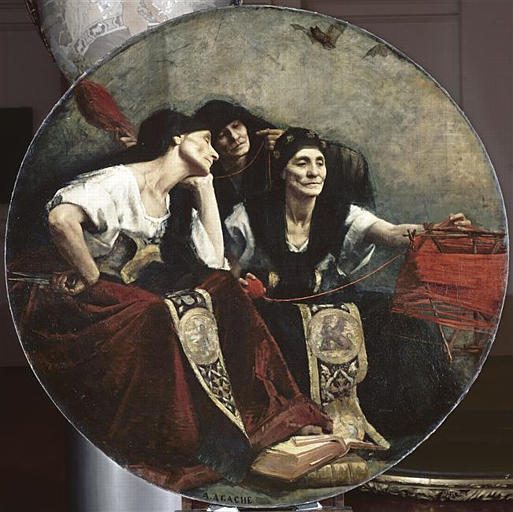
Nona is a significant figure in Roman mythology, known primarily as the goddess of childbirth and the protector of pregnant women. She is often associated with the act of giving birth and is revered for her nurturing qualities. The Romans had a rich pantheon of gods and goddesses, and Nona held a special place among them due to her vital role in the continuation of life. She was considered one of the Parcae, the three goddesses who controlled the fate of humans, particularly in terms of birth and life span.
The Role of Nona in Roman Mythology
Nona’s role in Roman mythology was multi-faceted. As one of the Parcae, she was responsible for ensuring that children were born safely and that mothers received the protection they needed during childbirth. The Parcae, which also included Decima and Morta, were often depicted as weavers of fate, symbolizing the threads of life that connect all beings. Nona was particularly focused on the early stages of life, emphasizing the importance of nurturing and care.
 Nymphs-
In ancient Rome, childbirth was seen as a perilous event. Many women faced significant risks during delivery, and thus, the presence of a goddess like Nona was essential for providing comfort and safety. Women would often pray to Nona for a smooth delivery and to protect both themselves and their newborns from harm. This highlights the deep reverence the Romans had for her and the acknowledgment of the challenges faced during childbirth.
Nona’s Attributes and Symbols
Nona was often depicted with various symbols that represented her role as a goddess of childbirth. Some of the most common attributes associated with her included spindles and threads, symbolizing the weaving of life. The act of spinning and weaving was deeply symbolic in many ancient cultures, representing the interconnectedness of fate and destiny. The threads of life, spun by Nona, were believed to determine the path of individuals from birth onward.
- Spindles: Representing the act of creation and the nurturing aspect of childbirth.
- Threads: Symbolizing the connection between life and fate.
- Wreaths of flowers: Often associated with celebrations of new life and fertility.
Additionally, Nona was often shown alongside other figures from Roman mythology, including Venus, the goddess of love, and Juno, the protector of women and marriage. This reflects the interconnected nature of various deities in Roman beliefs, where the roles of different gods and goddesses often overlapped. Nona’s nurturing qualities complemented the protective and loving aspects of Venus and Juno, highlighting the importance of community and support during childbirth.
 Ops
OpsNona and Roman Rituals
The worship of Nona was an integral part of Roman rituals surrounding childbirth. Expecting mothers would participate in various ceremonies to invoke her blessings. One common practice was to offer sacrifices or offerings to Nona, which could include flowers, fruits, or small figurines representing newborns. These offerings were made to express gratitude and to seek her favor for a safe delivery.
In addition to sacrifices, rituals often involved prayers and hymns dedicated to Nona. Families would gather to pray for the health of the mother and child, emphasizing the communal aspect of childbirth in Roman culture. This collective prayer not only sought divine intervention but also strengthened familial and social bonds, highlighting the importance of community support during such a critical time.
The Importance of Nona in Society
Nona’s significance extended beyond the realm of mythology into the daily lives of Romans. The goddess was a symbol of hope and reassurance for many families. In a time when maternal mortality rates were high, the presence of a protective deity was essential for alleviating fears associated with childbirth. Women often sought the guidance and support of Nona throughout their pregnancies, and her worship became a vital aspect of Roman culture.
 Orcus
Orcus- Community Support: The rituals surrounding Nona fostered a sense of community among women, creating networks of support during pregnancy and childbirth.
- Reassurance: The worship of Nona provided comfort to expectant mothers, alleviating fears related to the dangers of childbirth.
- Tradition: The rituals and prayers dedicated to Nona were passed down through generations, emphasizing the importance of tradition in Roman society.
Furthermore, Nona’s influence was evident in the way childbirth was celebrated. Festivals and gatherings often included references to her, marking significant milestones in a child’s life. These celebrations reinforced the idea that childbirth was not just a personal event but a communal one, deserving of recognition and reverence.
Nona in Literature and Art
Nona’s presence in Roman literature and art further illustrates her importance in mythology. Ancient texts often referenced the Parcae, including Nona, highlighting their roles in shaping human destinies. Poets and playwrights would invoke her name when discussing themes of life, death, and fate, emphasizing her significance in the broader narrative of human existence.
In art, Nona was frequently depicted alongside other goddesses, showcasing her nurturing attributes. Artists would often illustrate scenes of childbirth, incorporating Nona as a protective figure watching over mothers and infants. These artistic representations served to reinforce her role in society and the reverence held for her among the Romans.
Modern Interpretations of Nona
In contemporary times, Nona’s legacy can still be felt in discussions surrounding childbirth and maternal health. Many people look back to figures like Nona as symbols of the ongoing struggles faced by women during pregnancy and childbirth. Her story serves as a reminder of the importance of support systems, both in ancient Rome and in today’s society.
- Maternal Health Awareness: Modern movements often reference historical figures like Nona to highlight the importance of maternal health and safety during childbirth.
- Support Networks: The communal aspect of Nona’s worship serves as an inspiration for modern support groups for expectant mothers.
- Cultural Celebrations: Many cultures still celebrate childbirth with rituals and traditions that echo the reverence shown to Nona in ancient Rome.
The emphasis on community and support that Nona represented is increasingly relevant today, as many women seek the comfort of shared experiences during pregnancy. The lessons learned from her worship continue to resonate, advocating for a nurturing environment for mothers and their children.
Nona and Other Deities
Nona’s role as a goddess of childbirth places her in a unique position within the pantheon of Roman deities. While she primarily focused on the early stages of life, other deities such as Juno and Venus also played significant roles in the lives of women and families. Juno, known as the protector of women and marriage, complemented Nona’s nurturing qualities, providing a sense of safety and protection throughout a woman’s life.
Venus, the goddess of love and beauty, also intersected with Nona’s domain. The connection between love, marriage, and childbirth is a recurring theme in Roman mythology, where the union of a couple often led to the birth of children. Nona’s association with these other deities highlights the interconnected nature of their roles and the importance of love and partnership in the journey of parenthood.
The Interconnectedness of Roman Deities
The relationships between Nona and other deities illustrate the intricate web of mythology that the Romans embraced. Each goddess had her domain, but their roles often overlapped, creating a rich tapestry of beliefs and practices. This interconnectedness can be seen in various myths and stories, where the actions of one deity influence the lives of mortals and other gods.
- Juno’s Protection: As a protector of women, Juno’s role complemented Nona’s focus on childbirth, ensuring the safety of mothers.
- Venus’s Influence: The goddess of love played a crucial role in relationships, which ultimately led to the act of procreation and the need for Nona’s protection.
- The Parcae’s Role: Nona, as one of the Parcae, worked alongside Decima and Morta to weave the fates of individuals, emphasizing the significance of each stage of life.
This interconnectedness not only enriched Roman mythology but also provided a framework for understanding the complexities of life, love, and fate. Nona’s presence within this framework serves as a reminder of the importance of nurturing and support in the journey of parenthood.
The Legacy of Nona
The legacy of Nona continues to be felt in various aspects of modern society. As discussions around childbirth and maternal health evolve, the stories and symbols associated with Nona remind us of the importance of support and care for mothers and their children. Her role as a goddess of childbirth highlights the need for safe and nurturing environments during this critical time in a woman’s life.
Many cultures around the world celebrate the journey of motherhood, often incorporating rituals that echo the reverence shown to Nona in ancient Rome. The acknowledgment of the challenges faced during childbirth and the importance of community support are themes that resonate across cultures and time periods.
Influence on Modern Culture
Nona’s influence can also be seen in various forms of modern media, including literature, art, and film. The themes of motherhood, fate, and the nurturing qualities associated with Nona continue to inspire creators and storytellers. Her story serves as a powerful reminder of the strength and resilience of women, particularly during the transformative experience of childbirth.
- Literary References: Many authors reference ancient deities like Nona to explore themes of motherhood and fate in their works.
- Artistic Depictions: Modern artists often draw inspiration from mythological figures, incorporating elements of Nona’s story into their creations.
- Film and Television: The portrayal of motherhood in film often reflects the reverence shown to deities like Nona, emphasizing the challenges and triumphs faced by women.
In this way, Nona’s legacy lives on, reminding us of the enduring significance of nurturing, community, and the celebration of life. The goddess of childbirth serves as a symbol of hope and reassurance, encouraging us to honor the journey of motherhood and the strength of women throughout history.