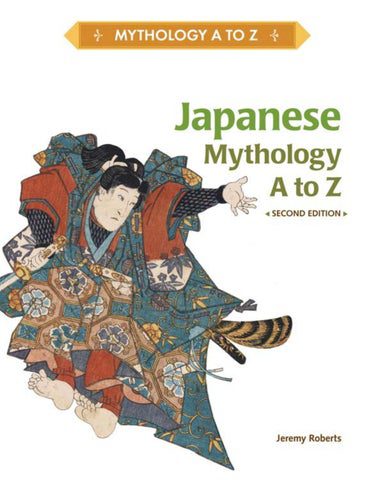
O-ana-mochi is a fascinating figure in Japanese mythology, representing the deep connection between the spiritual and physical realms. This mythological character is often associated with rice, a staple food in Japan, and is revered for its importance in the agricultural cycle. The name “O-ana-mochi” can be translated to “the rice deity” or “the rice spirit,” highlighting its significance in the lives of the Japanese people. The stories surrounding O-ana-mochi are rich and varied, reflecting the values, beliefs, and traditions of Japanese culture. In this article, we will explore the origins, characteristics, and cultural significance of O-ana-mochi.
Origins of O-ana-mochi
The origins of O-ana-mochi can be traced back to ancient agricultural practices in Japan. Rice cultivation has been a central part of Japanese life for thousands of years, and with it came the reverence for deities associated with the harvest. O-ana-mochi is believed to have emerged from these early agricultural rituals, where people would pray for a good harvest and the protection of their crops. These rituals often included offerings of rice to the gods, signifying the importance of rice in sustaining life and culture.
 Ninigi-no-mikoto
One of the most intriguing aspects of O-ana-mochi’s origins is its connection to the Shinto religion, which emphasizes the worship of kami, or spirits. In Shinto, rice is not just a food source; it is considered a divine gift. O-ana-mochi is often depicted as a guardian of rice fields, ensuring that crops flourish and that people have enough food to eat. This relationship between O-ana-mochi and rice underscores the deep respect the Japanese have for nature and the spiritual world.
Characteristics of O-ana-mochi
O-ana-mochi is often portrayed as a benevolent and nurturing figure, embodying the qualities of abundance and fertility. In many depictions, O-ana-mochi is shown as a female spirit, reflecting the nurturing aspects traditionally associated with women in agricultural societies. This characterization highlights the role of women in rice cultivation and the importance of their contributions to society. O-ana-mochi is sometimes illustrated with rice plants, symbolizing her connection to the earth and the agricultural cycle.
In addition to her nurturing qualities, O-ana-mochi is also associated with protection. She is believed to guard the rice fields from pests and diseases that could harm the crops. This protective aspect is crucial, as rice is not only a dietary staple but also a symbol of prosperity and wealth in Japanese culture. Farmers would often pray to O-ana-mochi for her blessings, seeking her favor to ensure a bountiful harvest.
 Namazu
Cultural Significance of O-ana-mochi
The cultural significance of O-ana-mochi extends beyond agriculture; she plays a vital role in various festivals and rituals throughout Japan. One of the most important events is the rice planting festival, where communities come together to celebrate the beginning of the rice planting season. During this festival, people perform traditional dances and rituals to honor O-ana-mochi, asking for her blessings on the upcoming harvest.
Moreover, O-ana-mochi is often featured in traditional art and literature. Many folktales depict her as a central character, emphasizing her importance in Japanese culture. These stories often convey moral lessons, teaching the values of gratitude, hard work, and respect for nature. The presence of O-ana-mochi in these narratives reinforces the idea that rice is not merely a food source but a sacred gift that should be cherished and respected.
 Naka-yama-tsu-mi
O-ana-mochi in Modern Japan
In modern Japan, the legacy of O-ana-mochi continues to thrive, although the context has evolved. While traditional farming practices have diminished, the cultural reverence for rice and its deities remains strong. Many people still participate in annual festivals dedicated to O-ana-mochi, where they express gratitude for the harvest and pray for future blessings. These events serve as a reminder of the deep-rooted traditions that shape Japanese identity.
Additionally, O-ana-mochi has found a place in contemporary art and media. Artists and writers draw inspiration from her stories, creating works that explore themes of nature, spirituality, and community. This resurgence of interest in O-ana-mochi reflects a broader trend in Japan, where there is a growing appreciation for traditional culture and mythology. Through these creative expressions, O-ana-mochi continues to inspire and connect people to their cultural heritage.
Rituals and Offerings
Rituals and offerings dedicated to O-ana-mochi are an integral part of Japanese culture, especially in rural areas where agriculture remains a significant aspect of life. Farmers often prepare small altars in their rice fields, adorned with rice, sake, and seasonal fruits, as offerings to O-ana-mochi. These altars serve as a physical manifestation of the farmers’ gratitude and respect for the spirit that watches over their crops.
- Rice offerings: Freshly harvested rice is a common offering, symbolizing the gratitude for the abundance received.
- Sake: This traditional rice wine is often poured as an offering, signifying a connection to the divine.
- Seasonal fruits: Fruits that are in season are included in the offerings to show appreciation for nature’s bounty.
In addition to these offerings, various rituals are performed throughout the year to honor O-ana-mochi. One such ritual is the “Otaue-sai,” or rice planting festival, where communities gather to plant rice seedlings while reciting prayers to O-ana-mochi. This event not only marks the beginning of the planting season but also reinforces the bond between the people, the land, and the spirit of rice.
Folktales Involving O-ana-mochi
Folktales play a significant role in preserving the stories of O-ana-mochi and imparting cultural values to future generations. One popular tale involves a young farmer who struggled to grow rice due to poor soil and pests. Desperate for help, he prayed to O-ana-mochi for guidance. In response, she appeared to him in a dream, revealing the secrets of soil preparation and pest control. Following her advice, the farmer successfully cultivated a bountiful harvest, teaching the importance of listening to nature and respecting the spirits that govern it.
Another folktale tells of a time when a great drought struck the land, threatening the rice harvest. The villagers, fearing starvation, gathered to pray to O-ana-mochi for rain. In response to their heartfelt prayers, O-ana-mochi sent dark clouds and rain, saving the crops. This story emphasizes the belief that O-ana-mochi is not only a guardian of rice but also a compassionate figure who responds to the needs of her people.
O-ana-mochi and Other Japanese Deities
O-ana-mochi is part of a broader pantheon of Japanese deities associated with agriculture and nature. One of her counterparts is Inari, the god of rice, fertility, and agriculture. While O-ana-mochi is primarily focused on the nurturing and protection of rice fields, Inari is often depicted as a more complex figure, encompassing various aspects of prosperity and success. The relationship between these deities highlights the interconnectedness of agricultural practices and spiritual beliefs in Japan.
Another notable figure is Tsuji-no-kami, the deity of the fields. While O-ana-mochi is more specifically tied to rice, Tsuji-no-kami represents a broader range of crops and the overall fertility of the land. Together, these deities create a rich tapestry of beliefs that reflect the importance of agriculture in Japanese culture. Festivals and rituals often honor multiple deities, showcasing the community’s respect for the spirits that sustain their livelihoods.
Artistic Representations of O-ana-mochi
Artistic representations of O-ana-mochi can be found in various forms, including paintings, sculptures, and textiles. These works often depict her alongside rice plants, symbolizing her deep connection to agriculture. Traditional Japanese paintings frequently illustrate scenes of rice planting and harvesting, with O-ana-mochi portrayed as a guiding spirit watching over the workers. Such art serves not only as a celebration of the harvest but also as a reminder of the spiritual aspects of farming.
In addition to visual arts, O-ana-mochi has inspired traditional crafts, such as kimono designs that incorporate rice motifs. These garments often feature intricate patterns that celebrate the beauty of rice fields, connecting the wearer to the cultural significance of O-ana-mochi. Through these artistic expressions, the legacy of O-ana-mochi continues to thrive, reinforcing the values of gratitude, respect, and harmony with nature.
O-ana-mochi in Literature
O-ana-mochi’s presence in literature is another testament to her significance in Japanese culture. Various folktales, poems, and stories feature her as a central character, often conveying moral lessons about the importance of hard work and respect for nature. One famous collection of stories, “Konjaku Monogatari,” includes tales that highlight the relationship between humans and deities, showcasing O-ana-mochi’s role in guiding and protecting farmers.
Moreover, contemporary authors have also drawn inspiration from O-ana-mochi, weaving her into modern narratives that explore themes of sustainability and environmental stewardship. These literary works often emphasize the need to honor the earth and its resources, echoing the values that O-ana-mochi embodies. Through literature, her story continues to resonate with readers, reminding them of the importance of maintaining a harmonious relationship with nature.
Regional Variations of O-ana-mochi
While O-ana-mochi is recognized throughout Japan, regional variations exist that reflect local customs and beliefs. In some areas, O-ana-mochi may be worshipped under different names or with unique rituals. For example, in certain regions of Kyushu, she is known as “Kome-no-kami,” which translates to “the rice god.” The rituals and offerings may differ slightly, but the core beliefs surrounding her protective and nurturing qualities remain consistent.
These regional variations enrich the tapestry of Japanese mythology, showcasing how local customs and traditions can influence the interpretation of deities. Festivals dedicated to O-ana-mochi often include unique local foods and practices, further highlighting the diversity of cultural expressions within Japan. Such variations serve as a reminder that mythology is not static but evolves with the people who honor it.
O-ana-mochi and the Environment
In today’s world, the connection between O-ana-mochi and the environment is more relevant than ever. As society grapples with issues such as climate change and food sustainability, the teachings of O-ana-mochi serve as a reminder of the importance of caring for the earth. Her stories emphasize the need for responsible farming practices, highlighting the balance between human needs and environmental stewardship.
Many farmers in Japan still look to the teachings of O-ana-mochi as they navigate modern agricultural challenges. Organic farming practices and sustainable methods are increasingly being adopted, reflecting a return to the values of respect and gratitude for the land. By honoring O-ana-mochi, farmers seek to create a harmonious relationship with nature, ensuring that future generations can continue to enjoy the blessings of rice and agriculture.
Future of O-ana-mochi in Japanese Culture
The future of O-ana-mochi in Japanese culture appears bright, as interest in traditional practices and mythology continues to grow. As younger generations seek to connect with their cultural heritage, figures like O-ana-mochi offer valuable lessons about sustainability, community, and respect for nature. Educational programs that incorporate mythology and folklore are becoming more popular, helping to instill these values in children and young adults.
Furthermore, the rise of eco-conscious movements has led to a renewed appreciation for the teachings of O-ana-mochi. People are increasingly recognizing the importance of preserving not only the environment but also the cultural narratives that accompany it. By celebrating O-ana-mochi and her connection to rice, communities can foster a deeper understanding of the relationship between culture and nature, ensuring that these traditions endure for generations to come.