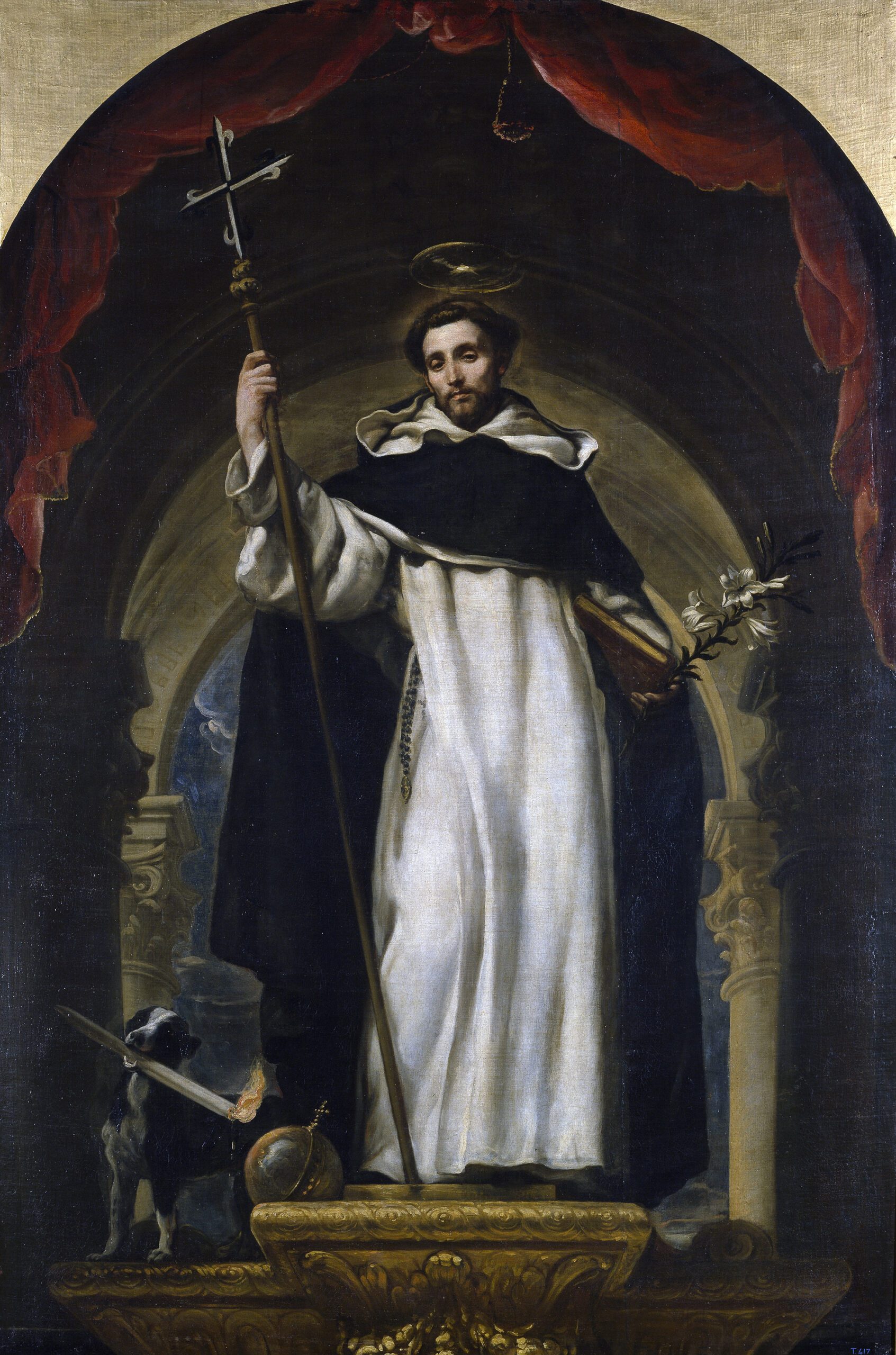
St. Dominic, known for his profound influence on the Catholic Church, is a figure whose life and teachings continue to resonate with many people today. Born in 1170 in Caleruega, Spain, he was the founder of the Order of Preachers, commonly known as the Dominicans. This religious order has played a crucial role in the history of the Church, particularly in the fields of education and preaching. Dominic’s commitment to spreading the Gospel and combating heresy led him to travel extensively throughout Europe, establishing communities dedicated to learning and spiritual growth. His legacy is not only one of faith but also of intellectual rigor, as he emphasized the importance of study and understanding in the life of a Christian.
Early Life and Education
St. Dominic was born to a noble family, and his early life was marked by a strong emphasis on education and spirituality. From a young age, he displayed a keen intellect and a deep sense of compassion for the poor. His mother, Juana, was a woman of great faith, and it is said that she had a vision before his birth, predicting that he would become a great leader in the Church. Dominic was educated at the University of Palencia, where he studied the liberal arts, theology, and philosophy. This educational background would later inform his approach to preaching and teaching.
 St. Dismas
During his studies, Dominic became increasingly aware of the spiritual crisis facing the Church at that time. The rise of heretical movements, such as the Albigensians in southern France, prompted him to seek a deeper understanding of the faith. He believed that knowledge and faith should go hand in hand, leading him to prioritize education as a means of combating ignorance and heresy. This conviction would shape the mission of the Dominican Order, emphasizing the need for well-educated preachers who could articulate the teachings of the Church effectively.
Founding of the Dominican Order
In 1216, St. Dominic received formal approval from Pope Honorius III to establish the Order of Preachers. His vision was to create a community of men and women dedicated to preaching the Gospel and living a life of poverty, chastity, and obedience. The Dominicans were unique in that they combined the contemplative life with active ministry, focusing on both prayer and outreach. This duality allowed them to engage with the world while remaining rooted in their spiritual practices.
The Dominicans quickly gained a reputation for their intellectual rigor and commitment to the truth. They were known for their ability to engage with various philosophical and theological ideas, which enabled them to address the concerns of the people they served. Dominic emphasized the importance of preaching as a means of spreading the faith, believing that the spoken word had the power to transform hearts and minds. As a result, the order placed a strong emphasis on education and the study of scripture, leading to the establishment of numerous schools and universities.
 St. Dionysius Of Alexandria
Missionary Work and Preaching
St. Dominic was a tireless missionary, traveling extensively throughout Europe to spread the message of Christ. His approach to preaching was characterized by a deep sense of compassion and understanding. He believed that effective preaching required not only knowledge of the scriptures but also an empathetic connection with the audience. Dominic often engaged in dialogues with those who held differing beliefs, seeking to understand their perspectives while gently guiding them toward the truth of the Gospel.
One of the most notable aspects of Dominic’s preaching was his commitment to addressing the root causes of heresy. He understood that many people were drawn to heretical beliefs due to a lack of understanding or access to proper education. As a result, he focused on teaching the faith in a way that was accessible and relatable. His method of preaching involved using stories and examples from everyday life, making complex theological concepts easier for people to grasp.
Key Themes in Dominic’s Preaching
- The Importance of Truth: Dominic emphasized that truth is essential in the Christian faith, and it must be sought and shared.
- Compassion and Understanding: He believed that effective preaching requires a deep understanding of the people one serves.
- The Role of Education: Dominic advocated for education as a means of combating ignorance and heresy.
- Dialogue and Engagement: He often engaged in conversations with those of differing beliefs to foster understanding.
Legacy and Influence
St. Dominic’s legacy is evident in the continued presence and influence of the Dominican Order today. The Dominicans have made significant contributions to the Church and society, particularly in the areas of education, theology, and social justice. They have been instrumental in establishing universities and schools, promoting a model of education that integrates faith and reason. This commitment to education reflects Dominic’s belief that knowledge is a vital tool for evangelization and transformation.
 St. Dionysius
The Dominican Order has also produced many notable theologians and saints throughout its history. Figures such as St. Thomas Aquinas, a Dominican friar, made profound contributions to Catholic theology and philosophy, helping to shape the Church’s understanding of faith and reason. The order’s emphasis on study and intellectual engagement has led to a rich tradition of scholarship that continues to thrive in the Church today.
Feast Day and Canonization
St. Dominic was canonized by Pope Gregory IX in 1234, just 18 years after his death. His feast day is celebrated on August 8th, a day when the Church honors his life and contributions to the faith. This celebration is marked by various liturgical events, including Masses and processions, where the faithful gather to remember and reflect on Dominic’s teachings and example.
Throughout the centuries, St. Dominic has been recognized as a model of holiness and virtue. His life of prayer, preaching, and dedication to the truth continues to inspire countless individuals seeking to live out their faith authentically. The Church honors him not only as a saint but also as a pivotal figure in the history of Christian thought and practice.
St. Dominic in Art and Culture
St. Dominic has been a subject of artistic representation for centuries, with numerous paintings, sculptures, and other forms of art depicting his life and legacy. Artists often portray him holding a rosary, symbolizing his devotion to prayer and the importance of the rosary in the Dominican spirituality. His image is frequently accompanied by symbols of light, representing the truth he sought to illuminate in a world often shrouded in darkness.
One of the most famous artworks depicting St. Dominic is the painting by the Italian artist Fra Angelico, which captures the saint in a moment of prayer and contemplation. This portrayal reflects the deep spiritual life that characterized Dominic’s approach to his mission. Additionally, the many stained glass windows in churches around the world feature scenes from his life, serving as visual reminders of his contributions to the faith.
Modern Relevance of St. Dominic
In today’s world, the teachings and example of St. Dominic remain highly relevant. The challenges faced by the Church, including secularism and the rise of various ideologies, echo the struggles of Dominic’s time. His commitment to truth, education, and compassionate engagement with others serves as a guiding light for modern Christians seeking to navigate a complex world.
The Dominican Order continues to adapt to contemporary challenges, emphasizing the importance of dialogue and understanding in a diverse society. Many Dominicans are actively involved in social justice initiatives, advocating for the marginalized and promoting the dignity of all people. This mission reflects Dominic’s belief that faith must be lived out in action, demonstrating the love of Christ in practical ways.
St. Dominic’s life and teachings provide a profound example of what it means to live a life of faith, commitment, and intellectual pursuit. His legacy continues to inspire individuals and communities to seek the truth, engage in meaningful dialogue, and serve others with compassion. As the Church reflects on the contributions of this great saint, may we all be encouraged to follow in his footsteps, embodying the spirit of preaching and teaching that he championed throughout his life.