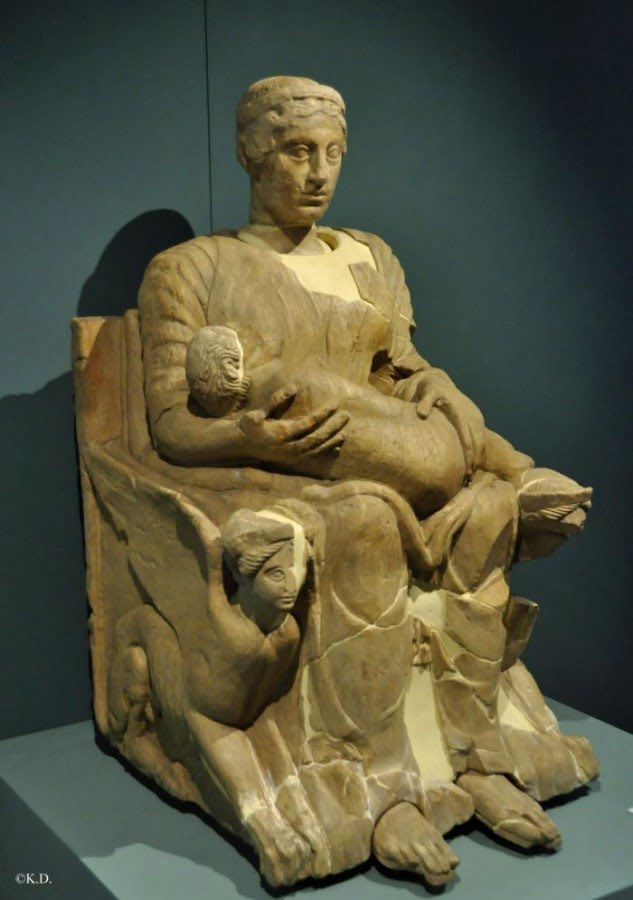
In Roman mythology, Mater Matuta is a significant goddess associated with dawn and childbirth. Her name translates to “Mother Morning” or “Mother of the Dawn,” reflecting her role as a nurturing figure who brings light and warmth. Mater Matuta was primarily worshiped in ancient Italy, particularly in the region of Latium, where her cult was established. This goddess symbolizes not only the physical light of day but also the metaphorical light of new beginnings, making her an essential figure in Roman religious practices. Her influence extended beyond just the dawn, intertwining with themes of fertility, motherhood, and protection.
The Origins of Mater Matuta
The origins of Mater Matuta can be traced back to pre-Roman times, possibly influenced by earlier Italic deities. Some scholars suggest that she may have roots in the ancient Italian goddess Matuta, who was associated with the dawn and the sea. Over time, as the Romans expanded their culture and religious practices, they integrated Mater Matuta into their pantheon. This integration illustrates the adaptability of Roman religion, which often absorbed and reinterpreted deities from conquered peoples. Mater Matuta’s character evolved, embodying not only the dawn but also the protective aspects of motherhood.
 Mena
MenaMater Matuta’s worship was particularly prominent in the city of Rome. The temple dedicated to her was located in the Forum Boarium, a bustling area known for trade and commerce. This location signifies her importance as a deity of new beginnings, as merchants and travelers would seek her blessings for successful ventures. The temple was a place where rituals were performed to honor her and seek her favor, especially during significant life events such as childbirth and marriage.
The Significance of Mater Matuta in Roman Society
In Roman society, Mater Matuta held a unique position as a goddess of both dawn and motherhood. Her dual role reflects the importance of both aspects in the lives of the Romans. The dawn symbolizes new opportunities, fresh starts, and the promise of a new day. In contrast, motherhood embodies nurturing, care, and the continuation of life. These two elements combined to create a powerful figure that resonated deeply with the values of Roman culture.
Mater Matuta was often invoked during childbirth. Women would pray to her for a safe delivery and the health of their newborns. This aspect of her worship underscores the significance of motherhood in Roman society, where family and lineage were of utmost importance. The goddess served as a protective figure for mothers and children, ensuring their safety and well-being. In this way, Mater Matuta was not only a symbol of dawn but also a guardian of the family unit.
 Mephitis
Festivals and Celebrations
- Matralia: This festival was dedicated to Mater Matuta and celebrated annually on June 11th. It involved various rituals aimed at honoring the goddess and seeking her blessings.
- Rituals of Purification: During the Matralia, women would perform purification rituals, often involving offerings of food and flowers to the goddess.
- Community Gatherings: The festival also served as a time for community bonding, where families and neighbors would come together to celebrate and honor Mater Matuta.
The Matralia was one of the most important festivals dedicated to Mater Matuta. Celebrated on June 11th, this festival involved various rituals aimed at honoring the goddess. Women, particularly mothers, played a central role in these celebrations. They would gather to perform purification rituals, offering food, flowers, and other tokens of gratitude to Mater Matuta. This event highlighted the communal aspect of worship, where families and neighbors would come together to celebrate the goddess’s blessings.
During the Matralia, the significance of community and family was emphasized. It served as a reminder of the importance of maternal figures and the nurturing role they played in society. The festival was not only a time for individual prayer but also a collective celebration of motherhood and the continuity of life. Through these gatherings, the Romans reinforced their cultural values surrounding family, fertility, and the divine influence of Mater Matuta.
Mater Matuta and Her Symbols
Like many deities in Roman mythology, Mater Matuta is associated with specific symbols that reflect her attributes and functions. One of the most prominent symbols linked to her is the light of dawn. This symbolizes new beginnings, hope, and the promise of a new day. The rising sun represents the renewal of life and the opportunities that each day brings. As such, Mater Matuta’s connection to light underscores her role as a nurturing figure who supports growth and development.
 Mercury
Another significant symbol associated with Mater Matuta is the lily. This flower, often associated with purity and motherhood, represents the beauty and fragility of new life. In Roman art and iconography, the lily is frequently depicted alongside Mater Matuta, reinforcing her connection to childbirth and fertility. The use of such symbols in her worship highlights the deep reverence the Romans had for the goddess and the values she embodied.
Iconography and Representation
- Statues and Reliefs: Mater Matuta was often depicted in statues and reliefs, showcasing her as a nurturing figure.
- Clothing and Attire: In many representations, she is shown wearing a flowing gown, symbolizing her connection to femininity and motherhood.
- Accompanying Figures: Sometimes, Mater Matuta is portrayed with other deities or children, emphasizing her role as a mother.
In art and iconography, Mater Matuta is often depicted as a nurturing figure, embodying the qualities of motherhood and care. Statues and reliefs commonly showcase her with a gentle expression, symbolizing her protective nature. She is frequently represented wearing a flowing gown, a representation of femininity and the nurturing aspects of her character. The choice of attire reinforces her connection to motherhood and the divine feminine.
Additionally, Mater Matuta is sometimes portrayed alongside other deities or children, further emphasizing her role as a mother figure. These representations serve to highlight the interconnectedness of motherhood and divinity in Roman culture. By including other figures in her depictions, the artists conveyed the idea that Mater Matuta is not only a standalone goddess but also part of a larger network of divine relationships centered around fertility and family.
The Legacy of Mater Matuta
Despite the passage of time and the decline of traditional Roman religious practices, the legacy of Mater Matuta endures in various forms. Her influence can be seen in modern interpretations of motherhood and the celebration of new life. The values associated with Mater Matuta—nurturing, protection, and the importance of family—continue to resonate in contemporary society. Many cultures around the world still honor mother figures, reflecting the timeless nature of her legacy.
In addition, Mater Matuta’s connection to dawn and new beginnings serves as a metaphor for hope and renewal. The idea that each day brings new opportunities is a sentiment that transcends time and culture. As people face challenges and seek fresh starts, the spirit of Mater Matuta lives on, reminding them of the importance of resilience and the nurturing aspects of life.
Modern Celebrations and Interpretations
- Mother’s Day: Celebrations honoring mothers around the world can trace their roots back to ancient practices of venerating maternal figures.
- Rituals of Renewal: Many cultures have rituals that focus on new beginnings, echoing the themes associated with Mater Matuta.
- Art and Literature: Mater Matuta’s influence can be found in various forms of art and literature that explore themes of motherhood and renewal.
Modern celebrations of motherhood, such as Mother’s Day, can be seen as a continuation of the reverence for maternal figures that existed in ancient Rome. These celebrations often involve rituals and customs that honor the sacrifices and contributions of mothers, paralleling the worship of Mater Matuta. Additionally, many cultures have their own unique rituals focused on renewal and new beginnings, echoing the themes associated with the goddess.
Furthermore, Mater Matuta’s influence is evident in various forms of art and literature that explore themes of motherhood, light, and renewal. Writers and artists draw inspiration from her character, reflecting on the enduring nature of maternal love and the importance of new beginnings. By keeping her legacy alive, contemporary society acknowledges the timeless significance of Mater Matuta and the values she represents.
Mater Matuta is a profound figure in Roman mythology, embodying the dual aspects of dawn and motherhood. Her worship and the values associated with her have left a lasting impact on culture and society. The goddess serves as a reminder of the importance of nurturing, protection, and the hope that each new day brings. Through various celebrations, rituals, and artistic interpretations, Mater Matuta’s legacy continues to resonate, ensuring that her influence endures in the hearts and minds of people today.