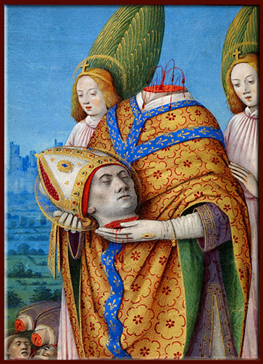
St. Dionysius, also known as St. Denis, is a prominent figure in Christian mythology. He is often recognized as the patron saint of France and is associated with various legends and stories that highlight his significance in the Christian faith. His life and deeds have inspired countless followers and have been the subject of much reverence and admiration throughout the centuries. Understanding the life of St. Dionysius provides insight into the early Christian church and the challenges faced by its leaders during a time of persecution and uncertainty.
Early Life and Background
 St. Dina Bélanger
The details of St. Dionysius’s early life remain somewhat obscure, but it is believed that he was born in the third century in a region that is now part of Italy. Some accounts suggest that he was of noble birth, while others indicate that he came from a humble background. Regardless of his origins, it is clear that he was a man of great faith and conviction. Dionysius was educated in the Christian tradition and became a well-respected leader within the church. His knowledge of scripture and commitment to the teachings of Jesus Christ set him apart as a figure destined for greatness.
As he matured, Dionysius felt a strong calling to spread the message of Christianity. During this time, the church was facing significant challenges, including persecution from the Roman authorities. Many Christians were being imprisoned, tortured, or killed for their beliefs. Despite these dangers, Dionysius was determined to carry out his mission. He traveled extensively, preaching the gospel and converting many to the Christian faith. His passion for evangelism and his dedication to the church would lay the groundwork for his future as a saint.
Missionary Work and Impact
St. Dionysius’s missionary work took him to various regions, including Gaul (modern-day France), where he played a crucial role in establishing the Christian faith. He arrived in Gaul around the year 250 AD, during a time when the Christian community was still relatively small and vulnerable. Dionysius quickly became a leader among the Christians in the area, helping to organize the community and provide spiritual guidance. His charisma and ability to connect with people allowed him to attract followers and build a strong foundation for the church.
 St. Deusdedit
One of the most notable aspects of St. Dionysius’s work was his emphasis on the importance of community. He believed that Christians should come together to support one another in their faith journey. This idea of community would become a central theme in Christianity, influencing the way churches operate even today. Dionysius established several congregations and trained local leaders to ensure the growth and sustainability of the Christian movement in Gaul.
Persecution and Martyrdom
As Dionysius’s influence grew, so did the opposition from the Roman authorities. The government viewed the rapid spread of Christianity as a threat to its power and stability. Consequently, Christians faced increasing persecution, and many were arrested and executed for their beliefs. Dionysius, as a prominent leader, became a target for these authorities. His unwavering faith and refusal to renounce his beliefs made him a symbol of resistance against oppression.
 St. Denis
Legacy and Veneration
The legacy of St. Dionysius extends far beyond his life and martyrdom. He is venerated as one of the most important saints in Christianity, particularly in France. His feast day is celebrated on October 9, and many churches and cathedrals are dedicated to him. The most famous of these is the Basilica of Saint-Denis, located just north of Paris. This basilica serves as a burial site for many French kings and queens, underscoring the saint’s significance in French history and culture.
St. Dionysius is often depicted in art and iconography holding a bishop’s crozier and wearing the traditional vestments of a bishop. He is frequently shown with a halo, symbolizing his holiness and divine favor. His image serves as a reminder of the sacrifices made by early Christians and the enduring power of faith. Additionally, many places in France and beyond bear his name, further testament to his lasting impact.
St. Dionysius in Christian Art and Literature
St. Dionysius has been a popular subject in Christian art throughout the centuries. Artists have depicted him in various forms, ranging from paintings and sculptures to stained glass windows. These artworks often highlight key moments from his life, including his missionary work and martyrdom. One of the most famous depictions of St. Dionysius can be found in the Cathedral of Saint-Denis, where he is portrayed as a powerful figure, embodying strength and faith.
In literature, St. Dionysius has been referenced in numerous texts, including hagiographies that recount the lives of saints. These writings often emphasize his virtues, such as courage, compassion, and leadership. Many of these stories have been passed down through generations, inspiring countless individuals to emulate his example. The narratives surrounding St. Dionysius serve not only to honor his memory but also to provide moral guidance for those seeking to live a life of faith.
St. Dionysius and the Catholic Church
The Catholic Church has played a significant role in promoting the veneration of St. Dionysius. His life and teachings align with the church’s mission of spreading the gospel and fostering community among believers. Over the years, the church has recognized St. Dionysius as a model for bishops and leaders, encouraging them to embody his qualities of leadership and service. Many dioceses celebrate his feast day with special masses and events, honoring his contributions to the church.
Furthermore, the Catholic Church has established various organizations and initiatives that draw inspiration from St. Dionysius’s commitment to social justice and community support. These initiatives aim to address the needs of the marginalized and vulnerable, reflecting the saint’s dedication to serving others. The church’s ongoing recognition of St. Dionysius reinforces the importance of his legacy in contemporary Christian practice.
Modern Interpretations of St. Dionysius
In modern times, St. Dionysius continues to be a source of inspiration for many Christians. His life serves as a reminder of the importance of faith, courage, and community in the face of adversity. Contemporary Christian leaders often look to his example when navigating challenges within their own communities. The principles that St. Dionysius embodied—such as service, compassion, and resilience—remain relevant today, encouraging individuals to stand firm in their beliefs and support one another.
Additionally, St. Dionysius has become a symbol of hope for those facing persecution for their faith. His story resonates with many who struggle against injustice and oppression, reminding them that they are not alone in their struggles. Various organizations and movements draw upon his legacy to advocate for religious freedom and the rights of individuals facing persecution around the world.
St. Dionysius’s life and legacy continue to impact the Christian faith and the broader world. His unwavering commitment to spreading the gospel, his courage in the face of persecution, and his emphasis on community serve as enduring examples for believers everywhere. As we reflect on the life of St. Dionysius, we are reminded of the power of faith to inspire change and the importance of standing firm in our beliefs, even in the most challenging circumstances.