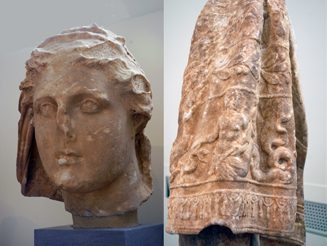
Despoena, a lesser-known figure in Greek mythology, holds a unique place in the pantheon of deities. She is often associated with the cult of Demeter and is considered a significant goddess of the harvest and fertility. Her name, which means “mistress” or “lady,” reflects her esteemed status among the ancient Greeks. Although she may not be as widely recognized as other gods and goddesses, her influence and the stories surrounding her reveal a rich tapestry of beliefs and traditions that were important to the people of ancient Greece. In this article, we will explore various aspects of Despoena, including her origins, myths, worship, and significance in Greek culture.
Origins of Despoena
The origins of Despoena are deeply rooted in the myths surrounding the goddess Demeter and her daughter Persephone. According to ancient texts, Despoena is often considered to be the daughter of Demeter and Poseidon, the god of the sea. This divine lineage places her among the powerful figures in Greek mythology, highlighting the blend of agricultural and marine influences in her character. Some myths suggest that she was born from the union of Demeter and Poseidon in the region of Arcadia, a place known for its lush landscapes and fertile land.
 Deucalion
Arcadia, a region in the Peloponnese, is significant in the context of Despoena’s worship. The land was celebrated for its natural beauty and abundance, making it an ideal setting for a goddess associated with fertility and growth. The Arcadian cult dedicated to Despoena emphasized her connection to the earth and its bounties. In this way, Despoena represents the harmonious relationship between nature and agriculture, embodying the cycles of life that sustain humanity.
Despoena’s Attributes and Symbols
Despoena is often depicted with various symbols that represent her connection to the earth and fertility. One of the most common symbols associated with her is the wheat sheaf, which signifies the importance of agriculture and the harvest in ancient Greek society. The wheat sheaf symbolizes not only the physical sustenance that crops provide but also the spiritual nourishment that comes from a successful harvest. This connection to the earth is a key aspect of her identity as a goddess.
In addition to the wheat sheaf, Despoena is sometimes represented with the cornucopia, a symbol of abundance and prosperity. The cornucopia, often overflowing with fruits and grains, signifies the wealth that comes from the earth’s bounty. This imagery reinforces Despoena’s role as a provider and protector of agricultural resources, underscoring her importance to the people who relied on farming for their survival.
 Dike
DikeMyths and Legends
One of the most significant myths surrounding Despoena involves her connection to the Eleusinian Mysteries, ancient religious rites held in honor of Demeter and Persephone. These mysteries were centered around themes of life, death, and rebirth, reflecting the seasonal cycles of nature. Despoena played a vital role in these rituals, representing the fertility of the earth and the renewal that comes with each harvest.
Another important myth is the story of Despoena’s relationship with her brother, Aristaeus, who was also a deity associated with agriculture and animal husbandry. According to legend, Aristaeus sought to learn the secrets of beekeeping from his sister. In some versions of the myth, Despoena teaches him the art of beekeeping, further emphasizing her role as a nurturing figure and a source of knowledge about agricultural practices. This relationship highlights the interconnectedness of various deities within Greek mythology and the importance of cooperation in the natural world.
Worship and Cult Practices
The worship of Despoena was primarily centered in Arcadia, where her cult was established in the sanctuary of Despoena at Lycosura. This sanctuary was one of the oldest in Greece and was dedicated to her and Demeter. The cult practices involved various rituals and offerings aimed at ensuring a successful harvest and fertility of the land. Devotees would bring offerings of grains, fruits, and other agricultural products to honor the goddess and seek her blessings.
 Dione
DioneOne of the most important festivals associated with Despoena was the Despoenia, celebrated in her honor. This festival included various rites, including sacrifices, feasting, and communal celebrations. The rituals performed during this time were designed to invoke the goddess’s favor and express gratitude for the earth’s bounty. Participants believed that by honoring Despoena, they would ensure a fruitful harvest and prosperity for their communities.
Significance in Greek Culture
Despoena’s significance in Greek culture goes beyond her role as a goddess of agriculture. She embodies the deep connection between humans and the natural world, reflecting the importance of nature in the lives of ancient Greeks. Her worship emphasizes the need for harmony between humanity and the environment, a theme that resonates throughout Greek mythology.
Furthermore, Despoena serves as a reminder of the vital role that agriculture played in ancient Greek society. The success of crops directly influenced the well-being of communities, making the worship of agricultural deities essential. As a goddess of fertility, Despoena symbolizes the life-giving forces of the earth, and her presence in mythology underscores the interconnectedness of all living things.
Artistic Representations
Despoena has been depicted in various forms of ancient Greek art, including pottery, sculpture, and frescoes. Artists often portrayed her alongside her mother, Demeter, and her sister, Persephone, highlighting the familial connections among these goddesses. In these representations, Despoena is often shown holding symbols of fertility, such as the wheat sheaf or cornucopia, reinforcing her association with agriculture and abundance.
In addition to her depictions in visual art, Despoena’s presence can also be found in ancient literature. Although references to her are less common than those to more prominent deities, poets and playwrights occasionally included her in their works. These literary mentions contribute to our understanding of her character and the beliefs surrounding her worship.
Despoena in Modern Context
In contemporary times, Despoena may not be as widely recognized as other Greek deities, but her influence persists in various cultural contexts. The themes of fertility, agriculture, and the connection to nature continue to resonate in modern discussions about sustainability and environmental stewardship. Many people today seek to honor the earth and its resources, echoing the ancient reverence for deities like Despoena.
Furthermore, the resurgence of interest in ancient mythology and its teachings has led to a renewed appreciation for figures like Despoena. As people explore the wisdom of the past, they may find inspiration in her story and the values she represents. The lessons of cooperation with nature and the importance of gratitude for the earth’s gifts remain relevant, making Despoena’s legacy significant in today’s world.
Comparative Analysis with Other Deities
When examining Despoena in the context of Greek mythology, it is valuable to compare her with other agricultural deities. For example, Demeter, her mother, is one of the most prominent goddesses of the harvest and fertility. While Demeter represents the overarching themes of agriculture and the changing seasons, Despoena embodies the more localized aspects of fertility, particularly in the region of Arcadia.
Another deity worth comparing is Persephone, who, although primarily associated with the underworld, also plays a significant role in agricultural myths. The cycle of Persephone’s descent into the underworld and her return to the earth aligns with the agricultural seasons, symbolizing death and rebirth. Despoena, as a figure closely tied to fertility and the harvest, complements the narratives surrounding both Demeter and Persephone, creating a triad of powerful female deities that reflect the complexities of nature.
Legacy of Despoena
The legacy of Despoena continues to be felt in various ways. Her representation of fertility and the agricultural cycle resonates with modern agricultural practices and the importance of sustainable farming. As societies grapple with the challenges of food production and environmental conservation, the values embodied by Despoena serve as a reminder of the need for balance and respect for the earth.
Moreover, Despoena’s story encourages individuals to appreciate the interconnectedness of all life. In an age of rapid technological advancement and urbanization, her teachings about harmony with nature and the importance of community remain relevant. By looking to figures like Despoena, people can find inspiration for cultivating a deeper relationship with the environment and fostering a sense of gratitude for the resources that sustain us.
Despoena is a fascinating figure in Greek mythology, representing the vital connection between humanity and the natural world. Her origins, attributes, myths, and worship practices reveal a rich tapestry of beliefs that were integral to ancient Greek culture. While she may not be as widely recognized as other deities, her influence endures in modern discussions about agriculture, sustainability, and the importance of nurturing our relationship with the earth.