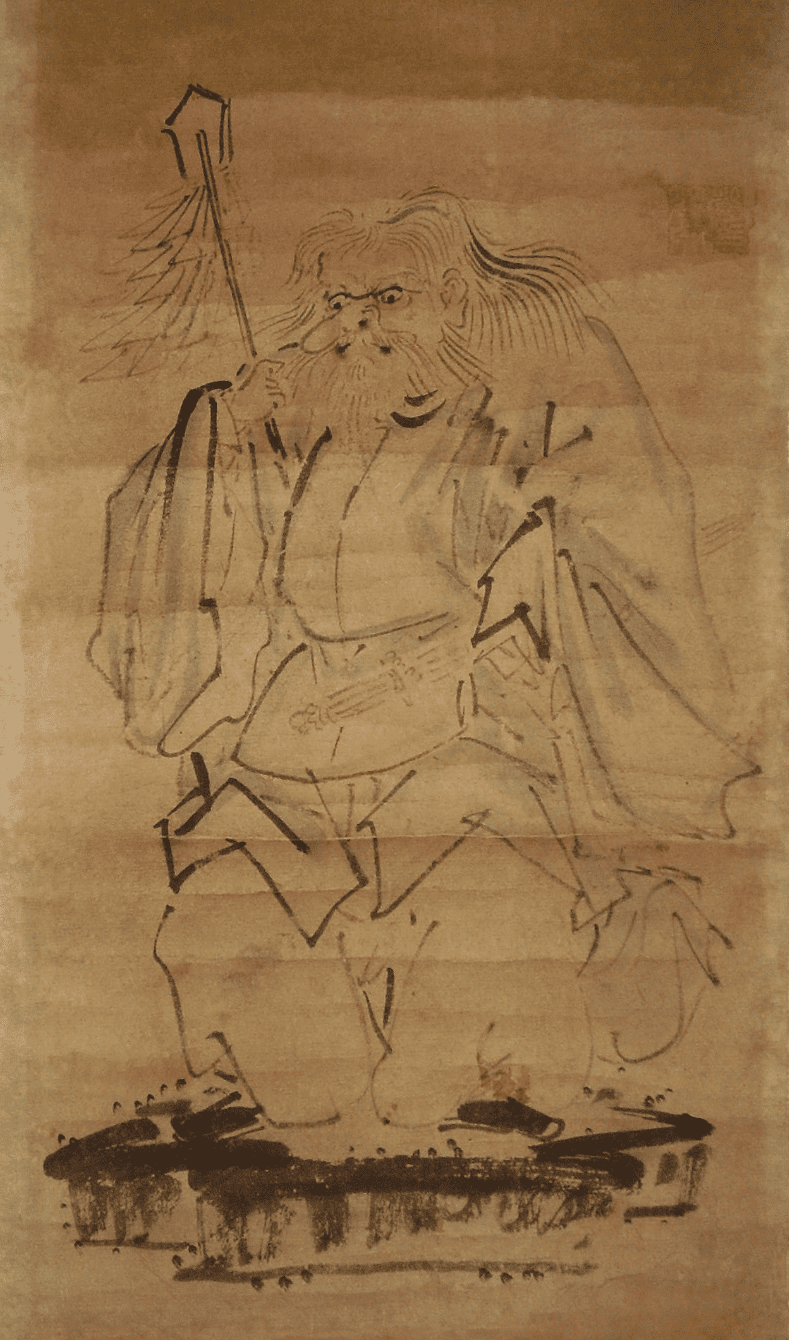
Sarutahiko is a significant figure in Japanese mythology, often regarded as a deity associated with earth and guidance. He is commonly depicted as a giant figure who assists in the descent of the heavenly deities to the earthly realm. His character embodies strength and reliability, making him an essential part of various myths and stories in the Shinto religion. Sarutahiko is not only a guardian of the pathways but also a symbol of transition between the celestial and terrestrial worlds. His stories often highlight the importance of communication between these realms and the significance of guiding spirits during their journeys.
Origins of Sarutahiko
The origins of Sarutahiko can be traced back to ancient Japan, where he is often associated with the creation myths. He is believed to be one of the first deities created during the formation of the world. In various texts, Sarutahiko is described as a powerful being who stands at the crossroads of heaven and earth. His role as a guardian is vital, as he ensures that the spirits can navigate the paths between these two realms without losing their way. His name itself, which can be translated to “the great monkey,” suggests agility and the ability to traverse different landscapes with ease.
 Sengen-sama
In Shinto beliefs, Sarutahiko is often depicted with a long nose and large feet, which symbolize his ability to cover great distances and his connection to the earth. His features are a reflection of his role as a protector and guide. The imagery associated with Sarutahiko emphasizes his strength and readiness to assist those in need, particularly the deities who seek to descend to the mortal world. This visual representation is significant in understanding his role in Japanese mythology, as it embodies the traits that make him a revered figure among the gods.
Role in Japanese Mythology
In the vast landscape of Japanese mythology, Sarutahiko plays a crucial role in various stories and legends. One of the most notable tales involves the descent of the sun goddess, Amaterasu, and her brother, Susanoo. According to the myths, Sarutahiko was tasked with guiding these deities as they moved between the celestial and earthly realms. His guidance was essential in ensuring their safe passage, highlighting the importance of his role as a protector.
Another significant story involves the legendary first emperor of Japan, Jimmu Tenno. Sarutahiko is said to have assisted Jimmu in his journey to unify the islands of Japan. During this expedition, Jimmu faced numerous challenges, including hostile creatures and treacherous landscapes. Sarutahiko’s strength and guidance were pivotal in helping Jimmu navigate these obstacles. This story not only showcases Sarutahiko’s capabilities but also emphasizes the deep-rooted connection between the gods and the imperial family in Japan.
 Sanbai-sama
Symbolism and Significance
Sarutahiko is rich in symbolism, representing various aspects of life and spirituality. One of the primary symbols associated with him is the pathway. He is seen as a guardian of the paths, ensuring that travelers and spirits can move safely between different realms. This connection to pathways symbolizes the journey of life and the transitions individuals face. In many ways, Sarutahiko embodies the concept of guidance, making him a relatable figure for those seeking direction in their lives.
Additionally, Sarutahiko’s association with the earth signifies his role in nature and the physical world. He is often revered in rituals that honor the land and its resources. His presence in these practices underscores the importance of respecting nature and recognizing the interconnectedness of all living beings. In this sense, Sarutahiko serves as a reminder of the balance between the spiritual and physical worlds, emphasizing the need for harmony in both.
Worship and Festivals
Worship of Sarutahiko is an integral part of various Shinto practices. Temples and shrines dedicated to him can be found throughout Japan, where devotees come to pay their respects and seek guidance. One of the most notable shrines is the Sarutahiko Shrine located in Ibaraki Prefecture. This shrine attracts numerous visitors who come to offer prayers and participate in rituals designed to honor this deity. The significance of these shrines highlights the enduring legacy of Sarutahiko in Japanese culture and spirituality.
 Samebito
In addition to the shrines, several festivals celebrate Sarutahiko and his contributions to Japanese mythology. These festivals often include traditional dances, music, and offerings that showcase the cultural heritage associated with his worship. Participants engage in various activities that symbolize the journey between realms, emphasizing the importance of community and connection. Such festivals not only honor Sarutahiko but also serve as a reminder of the rich tapestry of Japanese traditions and the deep reverence for the deities within the Shinto faith.
Legends and Tales
Various legends and tales surround Sarutahiko, each contributing to his multifaceted character. One popular tale tells of a time when he encountered a lost traveler. The traveler, disoriented and frightened, sought help from Sarutahiko. Recognizing the traveler’s plight, Sarutahiko used his strength and wisdom to guide him back to safety. This story illustrates not only Sarutahiko’s protective nature but also his compassion for those in need. It emphasizes the idea that even the mightiest of beings can show kindness and support.
Another tale involves Sarutahiko’s role in the celestial realm, where he is said to have participated in the creation of the islands of Japan. According to this legend, Sarutahiko played a part in shaping the land, ensuring that it was suitable for habitation. His involvement in such a significant event further solidifies his importance within the pantheon of Japanese deities. These stories not only entertain but also serve as moral lessons, teaching values such as kindness, strength, and the importance of guidance.
Sarutahiko in Modern Culture
The influence of Sarutahiko extends beyond traditional beliefs and into modern Japanese culture. His image and stories continue to inspire various forms of art, literature, and popular media. Many contemporary artists draw upon the rich mythology surrounding Sarutahiko to create works that resonate with both traditional and modern audiences. This fusion of old and new reflects the enduring nature of his character and the relevance of his stories in today’s society.
In literature, Sarutahiko appears in various novels and poems, often symbolizing the journey of self-discovery and the importance of finding one’s path. His character serves as a reminder of the struggles individuals face and the guidance they seek in their lives. This connection to modern themes ensures that Sarutahiko remains a significant figure in the collective consciousness of Japanese culture, bridging the gap between ancient mythology and contemporary life.
Sarutahiko’s legacy in Japanese mythology is profound and multifaceted. As a guardian of pathways and a guide for deities and travelers alike, his stories embody themes of strength, compassion, and the importance of connection between realms. The worship of Sarutahiko continues to thrive in modern Japan, demonstrating the enduring relevance of his character and the values he represents. Through various legends, festivals, and artistic expressions, Sarutahiko remains a vital part of Japan’s rich cultural heritage, inspiring generations to seek guidance and navigate their journeys through life.