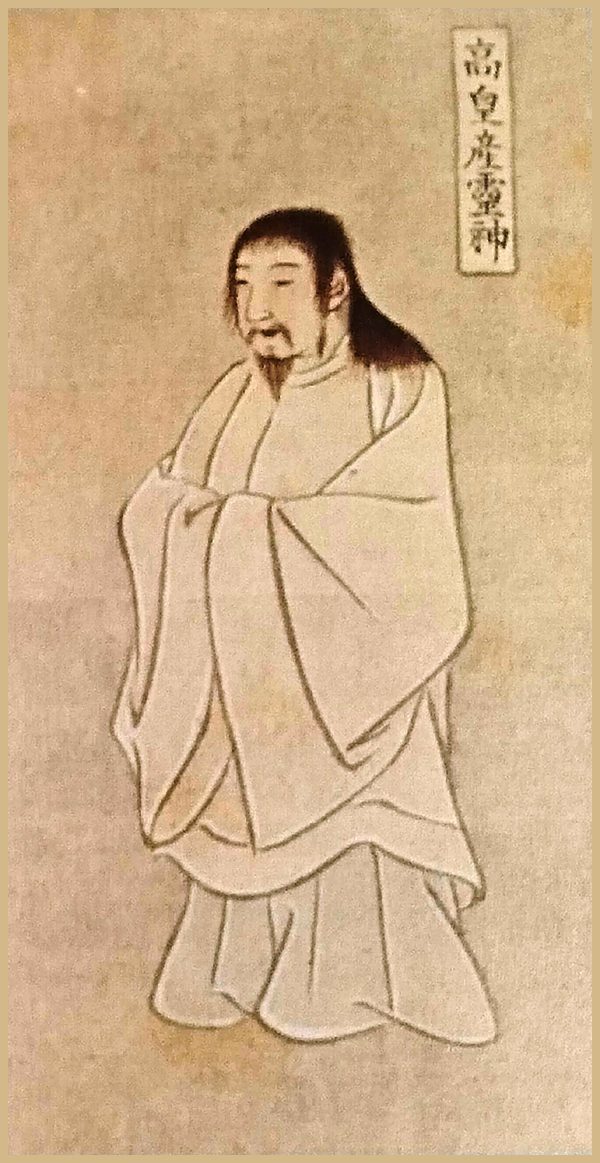
Takami-musubi is a significant figure in Japanese mythology. This deity is often associated with the creation of the world and is considered a vital part of the Shinto belief system. Takami-musubi is one of the many kami, or gods, that are revered in Shinto practices. The role of Takami-musubi in Japanese mythology is complex, and it intertwines with various aspects of nature, life, and the universe. The name Takami-musubi can be translated to mean “the high and divine creator,” which reflects its importance in the pantheon of Japanese gods.
The Role of Takami-musubi in Creation
In Japanese mythology, Takami-musubi plays a crucial role in the creation myth. According to ancient texts, Takami-musubi was involved in the formation of the world and the birth of the first gods. This deity is often depicted as a powerful force that helped shape the land and sky. The mythological stories suggest that Takami-musubi used its divine energy to bring forth life and order from chaos. This act of creation is significant because it lays the foundation for the relationship between the gods and humanity.
 Susano-wo
Takami-musubi is often associated with agriculture and fertility. Many myths highlight how this deity influenced the growth of crops and the prosperity of the people. The connection between Takami-musubi and agriculture is essential because it emphasizes the importance of nature in Japanese culture. The belief that a divine force governs the land and its resources reflects the deep respect that the Japanese people have for their environment.
Creation Myths Involving Takami-musubi
- The story of Takami-musubi creating the first gods.
- Takami-musubi’s influence on the earth and its elements.
- The deity’s role in agricultural prosperity.
One of the most famous myths tells how Takami-musubi created the first deities to govern the natural world. These gods were given specific roles, such as controlling the seas, the winds, and the mountains. This hierarchical structure of gods illustrates the belief that each aspect of nature has a divine overseer. Takami-musubi, as the creator, is often seen as the ultimate source of power and authority in this celestial order.
Another aspect of Takami-musubi’s role in creation is the establishment of natural balance. The deity’s actions ensured that the world would function harmoniously. This balance is vital for the survival of all living things, and it is a theme that recurs throughout many Japanese myths. The interconnectedness of life and the environment is a reflection of the Shinto belief in the sanctity of nature.
 Sukuna-bikona
Takami-musubi in Shinto Practices
In Shinto, Takami-musubi is not only a creator deity but also a significant figure in various rituals and ceremonies. Many shrines are dedicated to this kami, where followers come to offer their prayers and seek blessings. The worship of Takami-musubi is often linked to themes of fertility, agriculture, and overall prosperity. These aspects are essential for communities that rely on the land for their livelihood.
One of the most common practices associated with Takami-musubi is the offering of rice and other agricultural products. Rice holds a sacred place in Japanese culture, symbolizing sustenance and life. By offering rice to Takami-musubi, worshippers express gratitude for the blessings received and seek continued prosperity in their harvests. This practice highlights the deep connection between the deity and the agricultural lifestyle of the Japanese people.
Rituals and Offerings
- Offerings of rice and crops to Takami-musubi.
- Seasonal festivals celebrating the deity.
- Prayers for fertility and agricultural success.
Seasonal festivals dedicated to Takami-musubi are also an essential part of Shinto practices. These festivals often coincide with planting and harvesting times, celebrating the cycles of nature and the blessings of the earth. Participants engage in various activities, including traditional dances, music, and communal meals. These gatherings foster a sense of community and reinforce the cultural significance of Takami-musubi in daily life.
 Yomi
YomiPrayers for fertility and agricultural success are common among followers of Takami-musubi. Farmers often visit shrines dedicated to this deity to seek blessings for their crops. The belief that Takami-musubi can influence the success of a harvest underscores the importance of divine favor in agricultural societies. This connection between spirituality and everyday life is a hallmark of Shinto practices.
Symbolism of Takami-musubi
Takami-musubi is rich in symbolism, representing various aspects of life and nature. The deity embodies the principles of creation, fertility, and balance. These symbols are crucial for understanding the broader context of Takami-musubi’s role in Japanese mythology. The representations of Takami-musubi can be found in various forms of art, literature, and religious iconography.
In many depictions, Takami-musubi is shown surrounded by elements of nature, such as rice fields, mountains, and rivers. These elements emphasize the deity’s connection to the earth and its resources. The presence of these natural symbols serves as a reminder of the importance of respecting and nurturing the environment. This theme resonates deeply with the Shinto belief in the sacredness of nature and the interconnectedness of all living things.
Art and Literature Depicting Takami-musubi
- Traditional paintings featuring Takami-musubi.
- Folktales that highlight the deity’s attributes.
- Modern interpretations in literature and media.
Traditional paintings often depict Takami-musubi in a majestic light, illustrating the deity’s power and benevolence. These artworks serve not only as religious representations but also as cultural artifacts that preserve the history and beliefs of the Japanese people. Through these visual representations, the stories and values associated with Takami-musubi are passed down through generations.
Folktales that highlight Takami-musubi’s attributes often emphasize themes of perseverance, respect for nature, and the importance of community. These stories serve as moral lessons, teaching values that are integral to Japanese culture. The enduring popularity of these tales reflects the lasting impact of Takami-musubi on the collective consciousness of the Japanese people.
Comparative Analysis with Other Deities
When examining Takami-musubi, it is interesting to compare this deity with other figures in Japanese mythology. For instance, Takami-musubi shares similarities with other creation deities, such as Izanagi and Izanami. Both pairs of deities are associated with the act of creation and the birth of the islands of Japan. However, while Izanagi and Izanami are often seen as the primordial couple, Takami-musubi is primarily viewed as a solitary creator.
Another point of comparison can be made with Inari, a kami associated with rice and agriculture. Like Takami-musubi, Inari is revered for providing blessings related to farming and fertility. However, Inari’s worship includes a broader range of agricultural aspects, including commerce and prosperity. This comparison highlights the unique role of Takami-musubi within the Shinto belief system, focusing specifically on creation and the natural world.
Similarities and Differences
- Creation aspects of Takami-musubi and Izanagi/Izanami.
- Agricultural connections with Inari.
- Unique attributes of Takami-musubi in the pantheon.
Despite these similarities, Takami-musubi’s unique attributes set it apart from other deities. The emphasis on creation and the nurturing of the earth highlights a distinct aspect of Takami-musubi’s character. While other gods may govern specific areas of life, Takami-musubi represents a more holistic approach to existence, emphasizing the interconnectedness of all living things.
Furthermore, the rituals and practices associated with Takami-musubi differ from those of other deities. The specific focus on agricultural offerings and seasonal festivals dedicated to Takami-musubi demonstrates a unique cultural significance that resonates with the Japanese people. This differentiation illustrates the rich tapestry of Japanese mythology and the diverse roles that various deities play within it.
Modern Interpretations of Takami-musubi
In contemporary Japan, Takami-musubi continues to hold significance in various forms. Many people still participate in traditional Shinto practices, paying homage to this deity through rituals and offerings. The reverence for Takami-musubi is evident in the way that modern Japanese society acknowledges the importance of nature and the environment. This connection to the past serves as a reminder of the enduring legacy of Japanese mythology.
Modern interpretations of Takami-musubi can also be found in popular culture, including literature, art, and media. Many contemporary artists draw inspiration from traditional myths, incorporating elements of Takami-musubi into their works. This resurgence of interest in Japanese mythology reflects a broader cultural movement that seeks to reconnect with historical roots and preserve traditional values.
Influence in Popular Culture
- Literary works featuring Takami-musubi.
- Artistic representations in modern media.
- Impact on environmental movements in Japan.
Literary works that feature Takami-musubi often explore themes of nature, creation, and the balance of life. Authors may weave traditional myths into their narratives, allowing readers to engage with the rich tapestry of Japanese culture. This literary exploration not only preserves the stories of Takami-musubi but also introduces them to new audiences, fostering appreciation for Japanese mythology.
Artistic representations of Takami-musubi in modern media can also be seen in various forms, from animation to visual art. Artists often reinterpret the deity’s attributes, creating fresh perspectives that resonate with contemporary audiences. These representations serve to keep the stories of Takami-musubi alive and relevant, ensuring that the legacy of this important figure in Japanese mythology continues to thrive.
Conclusion of the Exploration
Through the examination of Takami-musubi, we gain insight into the rich and intricate world of Japanese mythology. This deity’s role in creation, agriculture, and spirituality highlights the deep connection between the Japanese people and their environment. As we continue to explore the significance of Takami-musubi in both historical and modern contexts, we appreciate the enduring legacy of this powerful figure in Japanese culture.