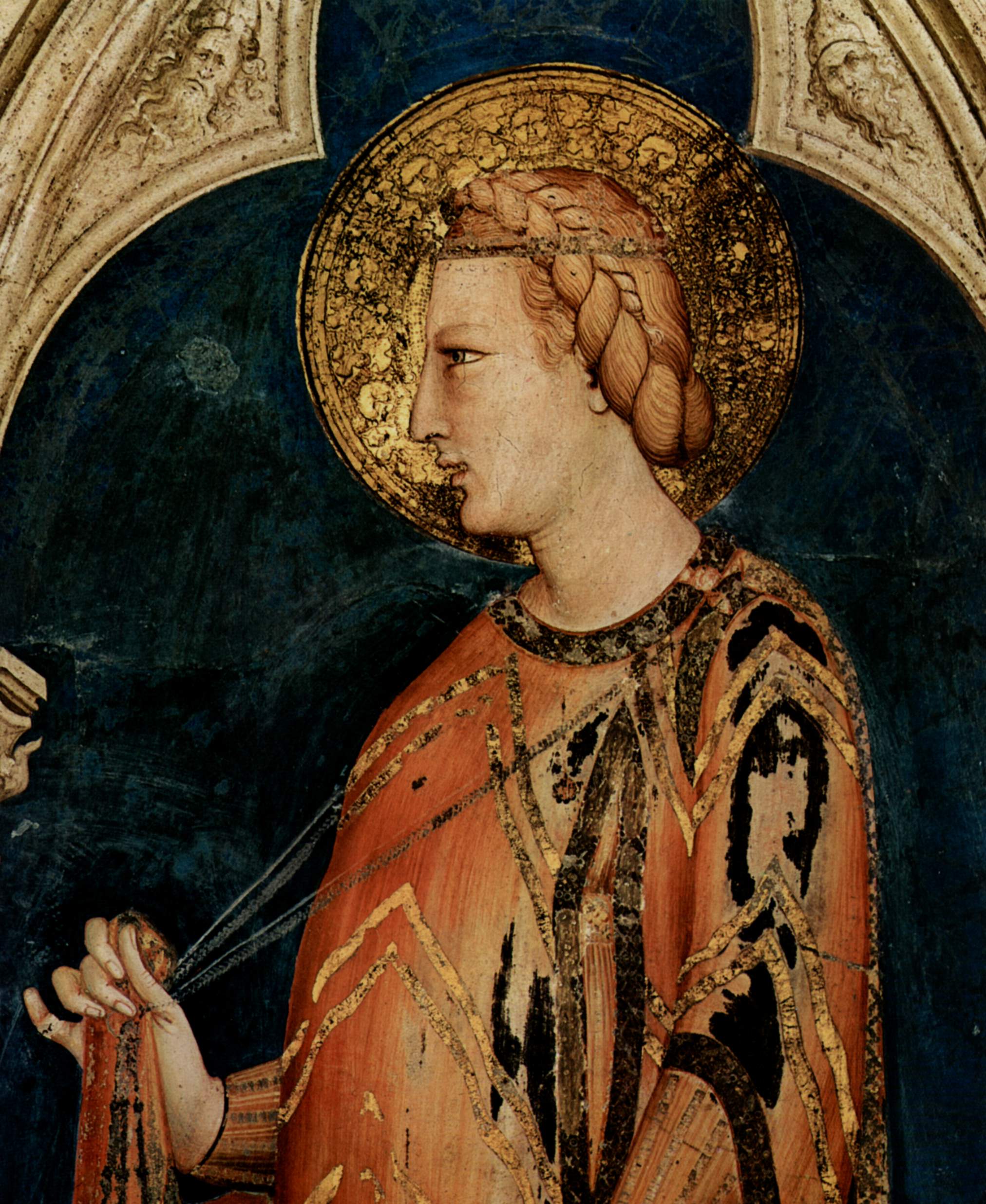
St. Elizabeth of Hungary is a revered figure in Christian mythology, known for her profound compassion and dedication to helping the poor. Born in 1207, she was a member of the royal family, being the daughter of the King of Hungary. Despite her noble birth, Elizabeth chose to live a life of humility and service, which has made her a beloved saint in the Christian tradition. Her story is filled with remarkable acts of charity, faith, and love, serving as an inspiration for many throughout the centuries.
The Early Life of St. Elizabeth
St. Elizabeth of Hungary was born into a life of privilege. Her father, King Andrew II of Hungary, provided her with all the comforts that royalty could offer. However, even as a child, Elizabeth showed signs of her compassionate nature. She was known to share her toys with other children and express a deep concern for those less fortunate. This early inclination towards charity laid the foundation for her future as a saint.
 St. Elizabeth Of Portugal
At the age of four, Elizabeth was promised in marriage to Ludwig, the landgrave of Thuringia. This marriage was intended to strengthen the political ties between Hungary and Thuringia. Elizabeth moved to Germany to prepare for her future role as a wife and queen. Despite the significant changes in her life, she remained committed to her values of service and kindness.
Living in Thuringia, Elizabeth continued to embrace her charitable instincts. She often visited the poor and sick, providing them with food and comfort. This act of charity was not just a fleeting moment for her; it became a central part of her identity. Her dedication to helping others was recognized by those around her, even at a young age.
The Marriage of St. Elizabeth
When Elizabeth married Ludwig in 1221, she entered into a partnership that would further enable her charitable works. Ludwig was a kind and supportive husband who shared Elizabeth’s commitment to helping the needy. Together, they worked on various projects to improve the lives of the less fortunate in their community. Their marriage was characterized by mutual respect and a shared mission of service to humanity.
 St. Elizabeth Ann Seton
Elizabeth and Ludwig’s home became a place of refuge for the poor. They would often invite those in need to their table, offering not only food but also companionship and support. This practice was revolutionary for the time, as many in the nobility turned a blind eye to the struggles of the poor. Elizabeth’s actions challenged the social norms of her era and set an example for others to follow.
However, their happiness was short-lived. Ludwig was often away on military campaigns, leaving Elizabeth to manage their household and charitable works alone. During these times, she faced significant challenges, but her faith remained unshaken. She continued to care for the sick and poor, often risking her own health and safety in the process. Her unwavering dedication showcased her strength of character and unconditional love for humanity.
The Death of Ludwig and Its Impact
Tragedy struck in 1227 when Ludwig died unexpectedly during a military expedition. Elizabeth was devastated by the loss of her husband, who had been her partner in both love and service. This event marked a turning point in her life. She found herself alone and faced with the challenges of continuing her charitable work without her husband’s support. The grief she experienced was profound, yet it also fueled her commitment to helping others.
 St. Elizabeth
Following Ludwig’s death, Elizabeth faced hostility from her in-laws, who did not understand her dedication to the poor. They pressured her to abandon her charitable activities, viewing them as unbecoming for a woman of her status. Despite this, Elizabeth remained resolute. She refused to give up on her mission, even when it meant living in poverty herself. She sold her possessions and distributed the proceeds to those in need, demonstrating her remarkable courage and resilience.
In her time of grief, Elizabeth found solace in her faith. She turned to prayer and sought the guidance of God, believing that her husband was watching over her. This deep connection to her spirituality became a source of strength as she navigated the challenges of her new reality. Elizabeth’s unwavering faith and her commitment to her charitable works solidified her reputation as a saintly figure among the people.
The Establishment of the Hospital
One of Elizabeth’s most significant contributions to her community was the establishment of a hospital in the city of Marburg. She recognized the urgent need for a place where the sick and poor could receive care and support. With the little resources she had left, Elizabeth worked tirelessly to create a sanctuary for those in need. The hospital became a beacon of hope for many, showcasing her dedication to healing and compassion.
Elizabeth’s hospital was unique for its time. It was one of the first institutions that provided care regardless of a person’s social status. Anyone who was sick or in need was welcomed with open arms. Elizabeth personally tended to the patients, often caring for them herself. Her hands-on approach demonstrated her genuine love for the suffering and her desire to alleviate their pain.
The hospital quickly gained a reputation for its compassionate care, attracting attention from all over the region. Elizabeth’s efforts inspired others to join her cause, leading to the establishment of additional hospitals and charitable institutions. Her legacy of service continued to grow, influencing the way healthcare was approached in the medieval period. Elizabeth became a symbol of charity and hope, and her hospital set a standard for future institutions.
The Later Years and Canonization
In the later years of her life, Elizabeth faced numerous hardships. After the establishment of the hospital, she became a nun and joined the Order of the Franciscans. This decision was driven by her desire to live a life of complete devotion to God and service to others. As a nun, Elizabeth continued her charitable works, dedicating her life to the service of the poor and the sick.
Despite her commitment to her faith, Elizabeth faced challenges from her peers within the order. Some criticized her for her close involvement with the sick and the poor, believing that a nun should lead a more ascetic life. However, Elizabeth remained undeterred. She believed that her actions were a reflection of her faith, and she continued to serve those in need, embodying the principles of love and charity.
St. Elizabeth of Hungary died on November 17, 1231, at the young age of 24. Her life, though brief, was filled with extraordinary acts of kindness and devotion. Following her death, her reputation for holiness spread rapidly. Within four years, she was canonized by Pope Gregory IX, a testament to the impact she had on those around her. Her canonization further solidified her status as a saint and an exemplar of Christian virtues.
The Legacy of St. Elizabeth
The legacy of St. Elizabeth of Hungary continues to resonate today. She is celebrated as a patron saint of the poor and the sick, and her feast day is observed on November 17. Many churches and institutions are named in her honor, serving as a reminder of her commitment to charity and service. Her life story inspires countless individuals to engage in acts of kindness and to help those in need.
St. Elizabeth’s life also serves as a powerful example of how one person can make a difference in the world. Her unwavering faith, compassion, and dedication to helping others are qualities that are still admired and sought after today. People often look to her as a model of how to live a life of service and love, encouraging them to follow in her footsteps.
In various parts of the world, St. Elizabeth is commemorated through charitable organizations that continue her mission. Many foundations and non-profits work tirelessly to support the poor and marginalized, drawing inspiration from her life. These organizations serve as a testament to the enduring impact of her legacy, demonstrating that the spirit of charity she embodied is still alive and well in modern society.
St. Elizabeth in Art and Literature
St. Elizabeth of Hungary has also been a subject of fascination in art and literature. Many artists throughout history have depicted her life and works, capturing the essence of her compassion and service. Paintings, sculptures, and stained glass windows often portray her in the act of caring for the poor or performing miracles, emphasizing her role as a saintly figure.
In literature, her story has inspired numerous writings, ranging from hagiographies to poems. These works often highlight her virtues and the lessons that can be learned from her life. Writers emphasize themes of selflessness, faith, and love, encouraging readers to reflect on their own lives and the ways they can contribute to their communities.
Through art and literature, the message of St. Elizabeth continues to reach new audiences, inspiring generations to embrace the values she championed. Her life story serves as a reminder that even in times of hardship, acts of kindness and compassion can create a lasting impact on the world.
Modern Celebrations of St. Elizabeth
Today, St. Elizabeth of Hungary is celebrated in various ways around the world. Many Christian communities hold special services in her honor, reflecting on her life and contributions. These celebrations often include prayers, hymns, and readings that highlight her virtues and the lessons she taught.
In addition to religious observances, there are also secular celebrations that focus on charity and community service. Many organizations organize events that encourage people to volunteer and give back to their communities, embodying the spirit of St. Elizabeth. These events serve as a reminder of the importance of helping others and the impact that individuals can have when they come together for a common cause.
Furthermore, educational institutions often use St. Elizabeth’s life as a case study in service learning programs. Students are encouraged to engage in community service projects, reflecting on the lessons learned from her life. This approach helps instill values of compassion and responsibility in young people, encouraging them to follow in her footsteps and make a positive difference in the world.
St. Elizabeth’s Influence on the Catholic Church
St. Elizabeth of Hungary’s influence extends beyond her lifetime and continues to shape the Catholic Church’s teachings on charity and service. The Church often cites her life as an example of the importance of helping those in need, aligning with the core values of Christianity. Her story is used in sermons and teachings to inspire congregations to engage in acts of kindness and to support charitable endeavors.
The Catholic Church has recognized her contributions to social justice and care for the marginalized. St. Elizabeth is often invoked in discussions about the Church’s mission to serve the poor and promote social welfare. Her life serves as a powerful reminder that true faith is demonstrated through actions, and that every individual has a role to play in creating a more just and compassionate world.
Furthermore, many religious orders, particularly those focused on service, draw inspiration from St. Elizabeth. They often incorporate her teachings and example into their missions, emphasizing the importance of caring for the poor and advocating for social justice. Her legacy lives on through the work of these organizations, which continue to embody her spirit of selfless service.
St. Elizabeth of Hungary’s life is a profound testament to the power of compassion, faith, and dedication to service. Her remarkable journey from a royal birth to a life of poverty and charity continues to inspire people around the world. Through her actions, she demonstrated that true nobility lies not in wealth or status, but in the willingness to help those in need.
As we reflect on her life, we are reminded of the importance of kindness and the impact that one person can have on the lives of many. St. Elizabeth’s legacy is not just a story of the past; it is a call to action for all of us to embrace the values of love, charity, and service in our own lives.