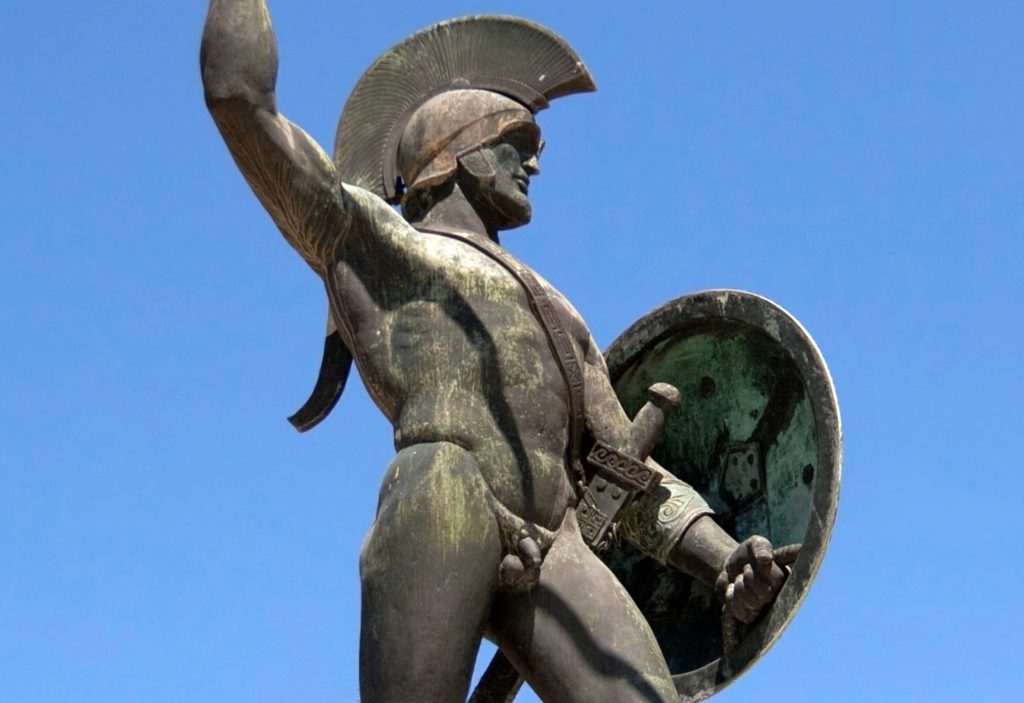
In the realm of Greek mythology, the figures and deities represent various aspects of life, nature, and human emotion. One such figure is Cratus, often associated with strength and power. His name, derived from the Greek word “kratos,” signifies might or strength, making him a notable character in ancient stories. Cratus is frequently depicted alongside other powerful figures in mythology, embodying the essence of physical prowess and dominance.
The Origins of Cratus
The origins of Cratus can be traced back to ancient Greek texts where he is mentioned in relation to other deities. Cratus is often regarded as one of the children of Zeus and Themis, the goddess of divine law and order. This lineage is significant as it places him among the ranks of powerful beings in Greek mythology. Being a child of Zeus, Cratus is connected to the very essence of authority and justice, representing not only physical strength but also the strength of law and order.
 Cretan-bull
Cratus is sometimes depicted as a companion of Bia, the personification of force. Together, they represent the dual aspects of strength: physical might and the forceful application of that strength. Their relationship symbolizes the balance between power and its ethical implications. In many myths, Cratus is portrayed as a formidable ally, often aiding gods and heroes in their quests. His presence in these stories underscores the importance of strength in overcoming challenges.
Cratus in Ancient Texts
Cratus appears in various ancient texts, though he is not as widely mentioned as some of the more prominent deities. One of the primary sources that reference Cratus is Hesiod‘s “Theogony,” where he is listed among the offspring of Zeus and Themis. This text serves as a foundational work in Greek mythology, detailing the genealogy of gods and titans. In this context, Cratus is acknowledged for his role in maintaining order and enforcing the will of the gods.
Another significant mention of Cratus can be found in Homer‘s “Iliad.” While he may not be a central character, his influence is felt through the actions of other heroes who invoke strength in their endeavors. The themes of might and valor are prevalent in the “Iliad,” and Cratus embodies these ideals. His character serves as a reminder of the importance of strength in warfare and conflict resolution.
 Crius
CriusSymbolism and Attributes of Cratus
Cratus is often depicted as a muscular figure, embodying the physical attributes of strength and resilience. His imagery typically includes symbols of power, such as weapons or armor, signifying his readiness to engage in battle. This representation not only highlights his role as a warrior but also emphasizes the idea that strength must be harnessed responsibly. The duality of strength—its potential for both creation and destruction—is a recurring theme in his depictions.
In addition to his physical attributes, Cratus symbolizes the concept of authority. His lineage from Zeus places him in a position of power, making him a representation of the enforcement of divine law. This aspect of his character is crucial in understanding the balance of power in Greek mythology, where strength is often tempered by justice. Cratus serves as a reminder that true strength lies not only in physical might but also in the ability to uphold order and fairness.
Cratus and His Role in Myths
Cratus plays a significant role in various myths, often serving as a force that aids heroes in their quests. His presence can be felt in tales where strength and courage are paramount. For example, in stories of epic battles, Cratus is often invoked as a source of strength for warriors facing overwhelming odds. This association with heroism reinforces the idea that strength is essential for overcoming adversity.
 Cronus
Moreover, Cratus is sometimes portrayed as a guardian of justice, ensuring that those who wield power do so responsibly. His character serves as a counterbalance to the chaotic forces in mythology, reminding both gods and mortals of the importance of ethical considerations when exercising strength. This moral dimension adds depth to his character, making him not just a symbol of might but also a representation of the responsibilities that come with power.
Cratus in Modern Culture
The legacy of Cratus extends beyond ancient texts and into modern culture. His name and attributes have been referenced in various forms of media, including literature, film, and video games. The concept of strength and authority that he embodies resonates with contemporary audiences, making him a relevant figure in discussions about power dynamics. Cratus serves as a symbol of the struggle between good and evil, where strength must be balanced with morality.
In literature, authors often draw inspiration from Greek mythology to create characters that reflect the complexities of human nature. Cratus’s embodiment of strength can be seen in modern heroes who face moral dilemmas, showcasing the timeless relevance of his character. The narratives surrounding strength, power, and responsibility continue to captivate audiences, demonstrating the enduring impact of figures like Cratus.
The Legacy of Cratus in Contemporary Discussions
The discussions surrounding power and strength in contemporary society often echo the themes present in the mythology of Cratus. In a world where authority figures wield significant influence, the lessons from Cratus’s story remain pertinent. The idea that strength must be coupled with ethical considerations is a crucial takeaway from his mythology. As society grapples with issues of power and justice, the legacy of Cratus serves as a reminder of the importance of responsible leadership.
Moreover, Cratus’s portrayal in modern media invites reflection on how we define strength today. Is it merely physical prowess, or does it encompass emotional resilience and moral integrity? These questions resonate with audiences, encouraging a deeper understanding of what it means to be powerful. The character of Cratus continues to inspire discussions about the complexities of strength, making him a relevant figure in both mythological and contemporary contexts.
Conclusion: The Enduring Influence of Cratus
Cratus’s influence in Greek mythology is a testament to the power of storytelling. His character embodies essential themes of strength, authority, and responsibility, making him a compelling figure in the pantheon of Greek deities. As we explore the narratives surrounding Cratus, we uncover valuable lessons about the nature of power and the importance of ethical considerations in its exercise. Through ancient texts and modern interpretations, the legacy of Cratus endures, reminding us that true strength is not just about physical might, but also about the ability to uphold justice and morality.