
St. Elizabeth Ann Seton is a remarkable figure in Christian mythology, particularly within the Catholic tradition. Born on August 28, 1774, in New York City, she became the first native-born American to be canonized by the Catholic Church. Her life story is one of faith, resilience, and commitment to education and social welfare. Seton’s journey is not only inspirational but also pivotal in the development of Catholic education in the United States. Her legacy continues to influence countless lives and institutions, making her a significant saint in American Catholic history.
Early Life and Background
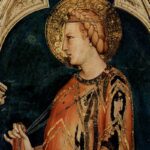 St. Elizabeth
Elizabeth Ann Seton was born into a well-to-do family in New York. Her father, a wealthy merchant, and her mother, a prominent socialite, provided her with a comfortable upbringing. However, tragedy struck early in her life when her mother died when Elizabeth was just three years old. This loss deeply affected her and shaped her understanding of faith and loss. Raised in a Protestant household, Elizabeth was taught the values of hard work and compassion, which would later guide her in her mission.
As a young girl, Elizabeth was known for her intelligence and kindness. She was educated at home and showed a keen interest in literature and the arts. Her education was typical for a girl of her social standing, focusing on the domestic arts and social graces. However, her spiritual journey took a significant turn when she married William Seton in 1794. The couple had five children together, and Elizabeth embraced her role as a wife and mother wholeheartedly.
Marriage and Family Life
William Seton was a successful businessman, but his health began to decline in the early 1800s. The couple faced numerous challenges, including financial difficulties and the pressures of raising their children. Despite these hardships, Elizabeth remained devoted to her family and faith. The family’s struggles were compounded when William fell seriously ill and died in 1803, leaving Elizabeth a widow at the age of 29. This loss was a pivotal moment in her life, pushing her to seek solace and strength in her faith.
 St. Eleutherius Of Tournai
After William’s death, Elizabeth faced the daunting task of raising her children alone. She turned to the Catholic Church for support, converting to Catholicism in 1805. This decision was not only a personal transformation but also a radical choice in a predominantly Protestant society. Her conversion was met with resistance from some family members and friends, but Elizabeth remained steadfast in her beliefs. She found comfort in her new faith and was inspired to create a community that would support others in their spiritual journeys.
Founding the Sisters of Charity
In 1809, Elizabeth Ann Seton founded the Sisters of Charity, the first religious community of women in the United States. This organization aimed to provide education and care for the poor, reflecting her deep commitment to social justice and education. Elizabeth’s vision was to create a community where women could serve God and help others. The Sisters of Charity became a model for many religious communities that followed, emphasizing education and social outreach.
The Sisters of Charity quickly expanded their mission, opening schools and orphanages across the country. Elizabeth believed that education was crucial for personal and communal growth. She worked tirelessly to establish schools that provided quality education, particularly for girls. Under her guidance, the Sisters of Charity became known for their dedication and compassion, earning respect within the communities they served. Elizabeth’s leadership and vision helped shape the future of Catholic education in America.
 St. Eleutherius
Elizabeth’s Spiritual Journey
Throughout her life, Elizabeth Ann Seton experienced profound spiritual growth. Her conversion to Catholicism was not just a change in faith but a deepening of her relationship with God. She often reflected on her experiences and sought to understand her purpose in life. Elizabeth believed that her suffering and challenges were part of God’s plan for her, leading her to a greater understanding of faith and service.
Her spirituality was marked by a strong emphasis on prayer and community. Elizabeth often gathered with her fellow sisters for prayer and reflection, fostering a sense of unity and purpose. She believed that prayer was essential for personal and communal growth, and she encouraged others to cultivate a deep prayer life. Her writings reveal her profound insights into the nature of God and the importance of living a life of service and love.
Challenges and Triumphs
Despite her many accomplishments, Elizabeth faced numerous challenges throughout her life. The early years of the Sisters of Charity were marked by struggles for recognition and support. Many people were skeptical of a women’s religious community, and Elizabeth often had to fight for the rights and recognition of her sisters. She remained resilient in the face of adversity, believing that their mission was divinely inspired.
Additionally, Elizabeth experienced personal challenges, including the loss of her children. Two of her daughters died young, and this heartbreak tested her faith. However, she used these experiences to deepen her compassion for others who suffered. Elizabeth’s ability to turn her pain into a source of strength and service is one of the most remarkable aspects of her life. Her resilience inspired those around her, and her legacy continues to motivate people to overcome challenges through faith and service.
Legacy and Canonization
Elizabeth Ann Seton’s contributions to education and social welfare have left a lasting impact on American society. Her work laid the foundation for the Catholic school system in the United States, and her influence can still be felt today. Many schools, colleges, and charitable organizations bear her name, honoring her commitment to education and service. Elizabeth’s life serves as a reminder of the importance of faith, compassion, and dedication to helping others.
In 1975, Elizabeth Ann Seton was canonized by Pope Paul VI, becoming the first native-born American saint. Her canonization was a significant event for the Catholic Church in the United States, recognizing her contributions and the impact of her life on the Church and society. Today, her feast day is celebrated on January 4, and she is revered as the patron saint of Catholic schools, widows, and the loss of parents.
St. Elizabeth Ann Seton’s Influence Today
The influence of St. Elizabeth Ann Seton can be seen in the many schools and educational institutions inspired by her mission. The Sisters of Charity continue to operate schools and provide services to the poor, carrying on her legacy of education and compassion. Her life story is often shared in Catholic schools, inspiring new generations of students to embrace the values of service and faith.
Moreover, Elizabeth’s emphasis on the importance of community and service resonates in contemporary society. Her teachings encourage individuals to engage in acts of kindness and charity, fostering a spirit of giving and compassion. Many organizations dedicated to social justice and education draw inspiration from her life, emphasizing the importance of service to others as a fundamental aspect of faith.
St. Elizabeth Ann Seton’s life and legacy are a testament to the power of faith, resilience, and service. Her journey from a grieving widow to a revered saint serves as an inspiration for countless individuals seeking to make a difference in their communities. Through her work in education and her commitment to helping the less fortunate, Elizabeth’s impact continues to be felt today, reminding us of the importance of compassion, dedication, and love for others.