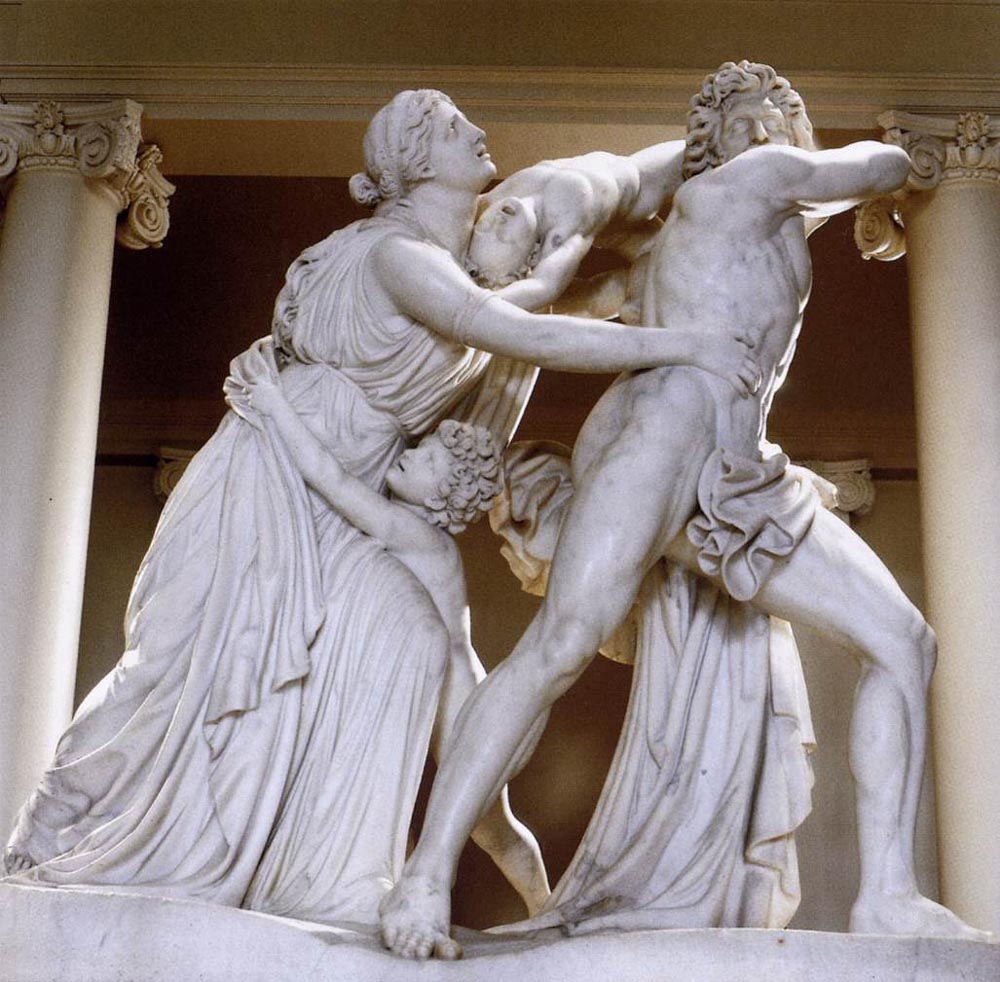
In Greek mythology, Athamas is a figure known for his tragic stories and complex relationships. He was a king of Boeotia and is often depicted as a character who faced the consequences of his actions, leading to his eventual downfall. Athamas is primarily known for his two marriages, which ended in chaos and sorrow. His life is filled with themes of love, betrayal, and the harsh realities of fate, making him a significant figure in various myths.
The Family of Athamas
Athamas was the son of
 Athena
Nebula, feeling rejected and betrayed, faced her own struggles. She was often depicted as a loving mother, fiercely protective of her children. However, her emotional turmoil led to a conflict with Ino, who sought to usurp her place in Athamas’s heart. This rivalry between the two women created an atmosphere of tension and chaos in the royal household, which would ultimately have dire consequences for Athamas and his family.
The Tragic Fate of Phrixus and Helle
The story of Athamas is closely tied to the fate of his children, particularly Phrixus and Helle. Ino, driven by jealousy, devised a cruel plan to eliminate them. She sought to convince Athamas that their children were cursed and needed to be sacrificed to appease the gods. Ino’s manipulative nature is a central theme in the myth, showcasing how jealousy can lead to devastating consequences.
In a desperate attempt to save themselves, Phrixus and Helle escaped on a golden ram sent by the god Hermes. This ram was a symbol of divine intervention, highlighting the connection between the gods and the struggles of mortals. However, the journey was fraught with danger. While flying over the sea, Helle tragically fell from the ram and drowned in what is now known as the Hellespont. Phrixus, on the other hand, reached safety and eventually sacrificed the ram to the gods as a token of gratitude.
 Pleiades
The Downfall of Athamas
Athamas’s life took a dark turn after the loss of his children. Consumed by guilt and despair, he turned against Ino, realizing her treachery. This shift in allegiance marked a significant moment in Athamas’s life, as he began to understand the true nature of love and loyalty. However, his newfound clarity came too late, and the damage had already been done.
In a fit of madness, Athamas tragically killed one of his children, mistaking them for a wild animal. This act of violence led to his further descent into insanity, showcasing the theme of fate that permeates Greek mythology. Athamas was ultimately punished for his actions, forced to wander aimlessly, haunted by his past and the consequences of his decisions.
The Role of the Gods
The gods played a crucial role in the life of Athamas, influencing his fate and the events surrounding him. Zues, the king of the gods, often intervened in the lives of mortals, and Athamas was no exception. The actions of the gods serve as a reminder of the thin line between divine will and human free will. Athamas’s story illustrates how the gods can manipulate circumstances, leading to the downfall of even the mightiest of kings.
 Atlas
AtlasIn the case of Athamas, the gods’ involvement was both a source of protection and a catalyst for destruction. The golden ram, sent by Hermes, represented a lifeline for Phrixus and Helle, but the manipulations of Ino showcased the darker side of divine influence. The gods in Greek mythology are often portrayed as capricious, reflecting the unpredictable nature of life itself.
The Legacy of Athamas
Athamas’s story has left a lasting impact on Greek mythology, serving as a cautionary tale about the consequences of jealousy, betrayal, and the fragility of human relationships. His life reflects the complexities of love and the devastating effects of misguided intentions. The narrative surrounding Athamas continues to be studied and retold, illustrating the timeless themes present in Greek myths.
In literature and art, Athamas is often depicted in moments of despair and madness, capturing the tragic essence of his character. His legacy serves as a reminder of the intricate relationships between gods and mortals, highlighting how personal choices can lead to unforeseen consequences. The tale of Athamas, Phrixus, and Helle is a poignant reminder of the human condition and the struggles faced in the pursuit of love and acceptance.
The tragic life of Athamas resonates with audiences, reminding us of the power of emotions and the complexity of human nature. His story is a testament to the enduring nature of Greek mythology, where characters grapple with their destinies and face the repercussions of their choices. Through Athamas, we learn about the fragility of happiness and the importance of understanding our relationships with others.