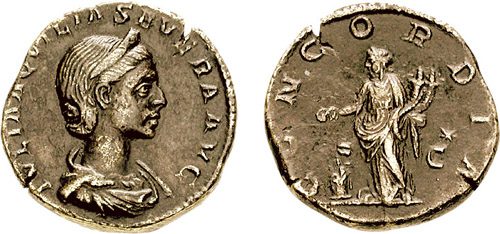
In Roman mythology, Concordia is a significant goddess representing harmony, peace, and agreement. She embodies the idea of unity among people, especially within the context of society and governance. The Romans revered her as a symbol of the ideal state where citizens coexist without conflict. This concept of harmony was crucial for the Romans, who believed that a stable society was essential for the prosperity of their empire. Concordia was often depicted in art and sculpture, reflecting her importance in both public and private life.
Origins of Concordia
The origins of Concordia can be traced back to earlier cultures, including the Greeks, where she was known as Harmonia. The Romans adopted many deities from Greek mythology, but they also adapted their characteristics to fit their own cultural values. The idea of harmony was particularly relevant in the Roman context, where the stability of the state was paramount. This led to the establishment of Concordia as a distinct figure in Roman religious practices.
 Consualia
Concordia was often invoked during political events and ceremonies, emphasizing her role in maintaining peace among the Roman people. The Romans believed that by honoring Concordia, they could ensure the success of their endeavors and avoid conflicts. This reverence for harmony was evident in their legal systems and social structures, which aimed to promote cooperation and mutual respect among citizens.
Symbolism and Representation
Concordia is frequently depicted with various symbols that reflect her attributes. One of the most common symbols associated with her is the cornucopia, which represents abundance and prosperity. The cornucopia signifies that harmony leads to a fruitful and prosperous society. Additionally, she is often shown holding a palm branch, a symbol of peace, reinforcing her role as a mediator in conflicts.
In art, Concordia is portrayed in a serene and graceful manner, reflecting the tranquility she represents. Statues and reliefs of her can be found in various public spaces, including temples and government buildings. These representations serve as a reminder to the Roman people of the importance of maintaining harmony in their lives and communities.
 Consus
Concordia in Roman Society
The influence of Concordia extended beyond mythology and religion; she played a vital role in Roman social and political life. Her presence was felt in the Senate, where discussions and decisions required a level of consensus among senators. The Romans believed that invoking Concordia during these deliberations would help achieve unity and prevent discord among the ruling class.
Moreover, festivals and public ceremonies dedicated to Concordia were common in ancient Rome. These events served to reinforce the values of cooperation and mutual respect among citizens. During such celebrations, people would gather to honor Concordia, emphasizing the collective responsibility of maintaining peace within the community.
Temples and Worship
The worship of Concordia was formalized through the construction of temples dedicated to her. One of the most notable temples was the Temple of Concord, located in the Roman Forum. This temple served as a central place for worship and reflection on the importance of unity and peace. People would visit the temple to offer prayers and sacrifices, seeking Concordia’s favor in their personal and communal affairs.
 Credulitas
Rituals performed in her honor often included offerings of fruits and flowers, symbolizing the blessings of peace and prosperity. The priests dedicated to Concordia played a crucial role in ensuring that her worship was conducted properly, and they were responsible for maintaining the temple and its rituals. This organized worship highlights the significance of Concordia in the religious life of the Romans.
Concordia and Roman Values
The values embodied by Concordia were deeply ingrained in Roman culture. The Romans placed great importance on community and the idea that individuals should work together for the common good. Concordia served as a reminder of this principle, encouraging citizens to prioritize harmony over conflict. This emphasis on unity was reflected in various aspects of Roman life, including their military, political, and social structures.
In the military context, the concept of concord was crucial for maintaining discipline and cooperation among soldiers. The Romans believed that a united front was essential for successful campaigns. Similarly, in politics, the idea of consensus was vital for effective governance. Leaders would often seek to emulate the ideals of Concordia in their decision-making processes, striving to achieve agreement among different factions.
Modern Interpretations of Concordia
In contemporary times, the figure of Concordia continues to hold relevance. Many modern societies grapple with issues of division and conflict, making the ideals she represents increasingly important. The concept of harmony and cooperation remains essential in various fields, including politics, community building, and conflict resolution. Modern interpretations of Concordia often focus on promoting dialogue and understanding among diverse groups.
Art and literature also draw inspiration from Concordia, exploring themes of unity and peace. Writers and artists often invoke her image as a symbol of hope for a more harmonious future. This modern appreciation for Concordia reflects a continuing desire for the values she represents, emphasizing the timeless nature of her message.
Conclusion of Concordia’s Legacy
The legacy of Concordia in Roman mythology is a testament to the importance of harmony and unity in society. As a goddess, she serves as a reminder of the values that underpin a stable and prosperous community. The Romans understood that without concord, conflicts could arise, threatening the very fabric of their society. This understanding led to the veneration of Concordia and the establishment of rituals and practices aimed at promoting peace.
Today, the principles embodied by Concordia remain relevant, as societies continue to seek ways to bridge divides and foster understanding among their members. The lessons from Roman mythology regarding the importance of harmony can guide modern efforts to create more inclusive and peaceful communities. Concordia’s enduring legacy serves as a source of inspiration for those who strive to cultivate a spirit of cooperation and goodwill in their own lives.