
Cloacina is a fascinating figure from Roman mythology, representing the goddess of the sewer system in ancient Rome. She was associated with the cloaca maxima, which was one of the world’s earliest sewage systems, built around the 6th century BC. The name Cloacina derives from the Latin word “cloaca,” meaning “drain” or “sewer.” This connection highlights her role as a protector and deity overseeing sanitation and the flow of waste in the bustling city of Rome. Cloacina’s importance in Roman society reflects how the Romans valued cleanliness and public health, even in their mythological beliefs.
The Role of Cloacina in Roman Religion
In ancient Roman religion, gods and goddesses were revered for their influence over various aspects of life. Cloacina held a unique position as the goddess of the sewer, a domain often overlooked in other cultures. Romans believed that she ensured the proper functioning of the sewage system, which was vital for the health and well-being of the city’s inhabitants. Public health was a significant concern for the Romans, and the existence of a goddess overseeing waste management reflects their understanding of hygiene. Cloacina was invoked to protect the city’s sanitation and prevent the spread of disease.
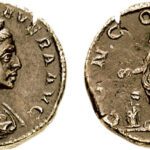 Concordia
The Romans constructed temples and altars to honor their deities, and Cloacina was no exception. Her main shrine was located near the Forum Romanum, which was the heart of public life in Rome. This proximity to the forum emphasized her significance in daily Roman life. People would offer sacrifices and prayers to Cloacina, seeking her blessings for clean water and effective waste disposal. The rituals performed in her honor were integral to maintaining the health of the city and its citizens.
Cloacina and the Cloaca Maxima
The cloaca maxima was an engineering marvel of its time, showcasing the advanced infrastructure of ancient Rome. Built to drain local marshes and remove waste from the city, it played a crucial role in urban sanitation. Cloacina was intimately linked to this great sewer system, symbolizing the divine protection over such a vital public work. The sewer was constructed in a time when sanitation was not fully understood, yet the Romans recognized the importance of managing waste to prevent health hazards.
 Consualia
Over the centuries, the cloaca maxima underwent numerous renovations and expansions, further solidifying its significance. Cloacina’s presence in this context served as a reminder of the need for proper waste management. As the city grew, so did the challenges associated with sanitation. Cloacina’s role became even more critical as the population increased, and the demand for effective sewage solutions escalated.
Symbolism and Representation of Cloacina
Cloacina was often depicted in Roman art and literature, symbolizing purity and cleanliness. Her imagery frequently included elements associated with water, such as flowing streams or clean rivers. This representation highlighted her role as a guardian of the waterways and the sewer systems that were essential for public health. Artists and poets of the time used her figure to emphasize the importance of hygiene in daily life.
In addition to her artistic depictions, Cloacina also served as a symbol of the Roman commitment to urban planning and public health. The Romans understood that a clean environment was vital for a thriving society. By venerating Cloacina, they acknowledged the divine aspect of sanitation and the necessity of maintaining the city’s infrastructure. Her symbolism extended beyond mere representation; it encapsulated the values of order, cleanliness, and the well-being of the Roman people.
 Consus
Cloacina in Roman Literature
Cloacina appears in various texts from ancient Rome, reflecting her importance in the cultural and religious landscape. Roman poets often referenced her in their works, using her as a metaphor for purity and cleanliness. Her presence in literature served to reinforce the notion that sanitation was not just a practical concern but also a spiritual one. Through these literary references, Cloacina became a part of the broader narrative of Roman civilization, illustrating the connection between mythology and daily life.
One notable mention of Cloacina is found in the writings of Ovid, who often explored themes of transformation and purity. In his works, he invoked the goddess to highlight the significance of cleanliness and the need for divine protection over the city’s water systems. Such references helped to cement Cloacina’s place in the pantheon of Roman deities, showing that even the most mundane aspects of life, like sanitation, had their own divine guardians.
The Legacy of Cloacina
The legacy of Cloacina extends beyond her time in ancient Rome. As the city evolved, so did the understanding of sanitation and public health. The principles that she represented continued to influence urban planning and hygiene practices in subsequent civilizations. Cloacina serves as a reminder of the importance of maintaining clean and healthy environments, a lesson that remains relevant today.
Modern cities still grapple with issues related to waste management and public health. Cloacina’s role as a protector of the sewer system can be seen as a precursor to contemporary sanitation practices. The ancient Romans’ foresight in establishing a goddess for such an essential function underscores the timeless nature of public health concerns. Today, we recognize that effective waste management is crucial for preventing disease and ensuring the well-being of communities.
Cloacina, as a figure of Roman mythology, exemplifies the intersection of religion, public health, and engineering in ancient Rome. Her association with the cloaca maxima highlights the Romans’ commitment to cleanliness and the well-being of their citizens. Through her representation in art and literature, Cloacina remains a symbol of the importance of sanitation, a concept that transcends time and continues to resonate in our modern world.