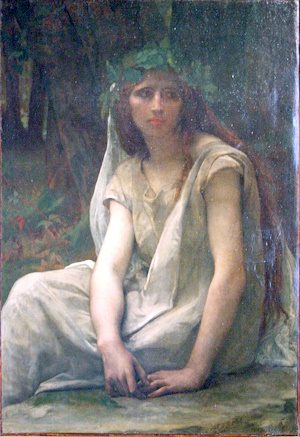
In the rich tapestry of Irish mythology, Banba stands out as a significant figure. She is one of the three daughters of the Tuatha Dé Danann, the ancient gods of Ireland. Banba, along with her sisters Ériu and Fódla, symbolizes the personification of Ireland itself. Each of these sisters has a unique role and connection to the land. Banba’s name is often associated with the ancient name of Ireland, which highlights her importance in the mythological history of the country. This article delves into the various aspects of Banba, exploring her origins, her significance in mythology, and the lasting impact she has had on Irish culture.
Origins of Banba
 Balor
BalorBanba is one of the most revered figures in Irish mythology. Her origins trace back to the era of the Tuatha Dé Danann, a mythical race that is said to have arrived in Ireland from the skies. According to legend, Banba and her sisters were born from the earth and are often depicted as powerful and wise. They represent not only the land but also the spirit and essence of the Irish people. The Tuatha Dé Danann were known for their magical abilities and deep connection to nature, and Banba embodies these traits beautifully.
In many stories, Banba is portrayed as a protector of Ireland. Her strength and resilience are often highlighted, especially during the many conflicts that the Tuatha Dé Danann faced against invaders. Her presence on the battlefield symbolizes hope and courage, inspiring her people to fight for their land. The significance of her name, which is sometimes used to refer to Ireland itself, reflects her deep-rooted connection to the country and its identity.
Banba and Her Sisters
Banba is not alone in her legacy; she shares her story with her two sisters, Ériu and Fódla. Each sister has her own unique attributes and stories that contribute to the overall mythology of Ireland. Together, they represent the three facets of the land, and their stories are intertwined with the history of the Irish people. Banba, as the eldest sister, is often seen as the leader, guiding her sisters and providing wisdom in times of need.
 Badb
Badb- Ériu: Often considered the most prominent sister, Ériu’s name is also used as a poetic term for Ireland. She is associated with the sovereignty of the land and is known for her nurturing spirit.
- Fódla: Fódla is less well-known than her sisters, but she also plays a vital role in the mythology. Her name is often used in connection with the ancient name of Ireland and reflects the diversity of the land.
- Banba: As the embodiment of the land’s strength, Banba’s stories often revolve around her fierce protection of Ireland and her ability to inspire those around her.
These three sisters are often invoked in various myths, especially during times of strife. Their unity symbolizes the strength of the Irish people and their deep connection to the land. The stories of Banba, Ériu, and Fódla are a reminder of the rich heritage and cultural identity of Ireland, emphasizing the importance of family and community in overcoming challenges.
Banba in Irish Legends
Throughout Irish legends, Banba is frequently mentioned in tales of heroism and bravery. One of the most notable stories involves the arrival of the Milesians, a group of people who sought to claim Ireland as their own. According to the myth, the Milesians were met by the Tuatha Dé Danann, including Banba. In this encounter, Banba, along with her sisters, challenged the invaders and demanded that they respect the land and its rightful inhabitants.
During this legendary battle, Banba is depicted as a fierce warrior. She uses her magical abilities to protect her homeland and inspire her people. The strength of her character shines through as she rallies the Tuatha Dé Danann to defend their territory. This story not only highlights Banba’s role as a warrior but also serves as a testament to the enduring spirit of the Irish people in the face of adversity.
 Art Mac Cuinn
The Symbolism of Banba
Banba’s symbolism goes beyond her role as a warrior and protector. She represents the very essence of Irish identity and culture. Her name is often associated with the ancient language and folklore of Ireland, signifying the connection between the past and present. In many ways, Banba embodies the spirit of the land, reflecting its beauty, strength, and resilience.
In addition to her warrior spirit, Banba is also a symbol of fertility and abundance. Many myths depict her as a nurturing figure, ensuring that the land remains fruitful and prosperous. This duality of being both a fierce protector and a nurturing spirit is a significant aspect of her character. It showcases the complexity of the Irish landscape and the deep-rooted connection between the people and their land.
Banba in Modern Culture
Today, the legacy of Banba continues to resonate within Irish culture. Her name is often invoked in poetry, music, and art, serving as a reminder of the rich history and mythology of Ireland. Many contemporary artists draw inspiration from her story, highlighting themes of strength, resilience, and the deep connection to the land.
In addition to the arts, Banba’s influence can be seen in various cultural celebrations and festivals across Ireland. These events often pay homage to the ancient traditions and legends, ensuring that the stories of Banba and her sisters remain alive in the hearts and minds of the people. This cultural revival is essential for preserving the heritage of Ireland and passing it on to future generations.
Banba in Literature
Literature has played a crucial role in keeping the story of Banba alive. Many poets and writers have drawn upon her legacy, weaving her into their narratives to explore themes of identity, belonging, and the connection to the land. The imagery associated with Banba often evokes a sense of nostalgia and longing for a simpler time when the land was revered and respected.
In various literary works, Banba is portrayed not only as a mythological figure but also as a symbol of hope and resilience. Her character often serves as a source of inspiration for those facing challenges, reminding them of the strength that lies within. The stories surrounding Banba encourage readers to reflect on their own connections to their heritage and the importance of preserving cultural identity.
Banba’s Legacy
The legacy of Banba extends far beyond her role in mythology. She represents the enduring spirit of the Irish people and their connection to the land. Her story is a reminder of the importance of honoring one’s roots and the significance of community in overcoming challenges. As the world continues to change, the stories of Banba and her sisters remain a vital part of Ireland’s cultural fabric.
Banba’s legacy is also evident in the ongoing efforts to preserve and promote Irish mythology and folklore. Various organizations and cultural institutions work tirelessly to ensure that the stories of Banba and her sisters are passed down through generations. This commitment to preserving heritage is essential for maintaining the unique identity of Ireland and celebrating its rich history.
Banba is a remarkable figure in Irish mythology whose story embodies the spirit of Ireland. Her legacy as a warrior, protector, and symbol of resilience continues to inspire people today. Through literature, art, and cultural celebrations, the story of Banba lives on, reminding us of the importance of honoring our roots and the enduring connection between people and their land.