
In Greek mythology, Argus is a fascinating figure known for his many eyes and his role as a guardian. His story intertwines with various myths, particularly those involving the gods and goddesses of Olympus. Argus is often depicted as a giant with a hundred eyes, making him an excellent watchman. This unique characteristic not only sets him apart from other mythological beings but also emphasizes themes of vigilance and loyalty. His eyes, which are said to be distributed across his body, allow him to remain alert at all times, symbolizing the idea that nothing can escape his watchful gaze.
The Origins of Argus
Argus is often described as the son of Arestor, a figure whose lineage varies in different myths. Some accounts suggest that he is the offspring of Gaea, the Earth goddess, and Uranus, the sky god. This connection to primordial deities places Argus in a significant position within the mythological hierarchy. His birth is steeped in the themes of duty and responsibility, as he was created to serve as a protector. The myths indicate that Argus was given the task of guarding Io, a priestess of Hera who had been transformed into a cow. This transformation was a punishment from Hera, who was jealous of Io due to her affair with Zeus.
Argus’s role as a guardian is further emphasized by his association with Hera, the queen of the gods. In many stories, Hera employs Argus to keep a close watch on Io, ensuring that she remains out of reach from Zeus. This duty highlights the loyalty and dedication that Argus exhibits, as he remains steadfast in his role, even as he faces formidable challenges. His vigilance is a testament to his character, illustrating the lengths to which he goes to fulfill his obligations.
 Ariadne
The tale of Argus and Io is one of the most notable stories in which Argus plays a central role. As mentioned earlier, Io was transformed into a cow to protect her from Zeus’s advances. Hera, suspecting that Zeus was still interested in Io, assigned Argus to watch over her. This situation creates a complex dynamic, as Argus’s loyalty to Hera places him in direct opposition to Zeus, who seeks to reunite with Io. The story unfolds as Argus uses his many eyes to ensure that Io does not escape, demonstrating his relentless vigilance.
Despite Argus’s dedication, Zeus devises a plan to rescue Io. He sends Hermes, the messenger god, to deal with Argus. Hermes approaches Argus and engages him in conversation, using his charm and wit to lull Argus into a state of drowsiness. As Argus begins to fall asleep, Hermes takes advantage of this opportunity and uses his magic to slay Argus. This act of cunning is significant, as it highlights the theme of intelligence over brute strength. Hermes’s victory over Argus symbolizes the triumph of cleverness and strategy in overcoming obstacles.
One of the most striking features of Argus is his hundred eyes. Each eye represents a different aspect of perception and awareness. In many interpretations, these eyes symbolize the ability to see beyond the surface, allowing Argus to perceive truths that others might miss. The idea of vigilance is central to Argus’s character, and his many eyes serve as a reminder of the importance of being aware of one’s surroundings. This symbolism extends beyond Argus himself and resonates with broader themes in Greek mythology, where the watchful gaze often plays a crucial role in the fate of characters.
 Arion-
Additionally, Argus’s eyes have been interpreted as a metaphor for the idea of surveillance and protection. In a world filled with danger and deceit, Argus embodies the need for guardianship. His role as a watchman serves as a reminder that vigilance is essential in safeguarding what is valuable. This theme is particularly relevant in the context of Io’s story, where Argus’s watchful nature is both a blessing and a curse. While he protects Io from Zeus’s advances, his presence also serves as a constant reminder of her captivity.
The figure of Argus has inspired countless works of art and literature throughout history. In ancient Greek art, he is often depicted as a giant with multiple eyes, emphasizing his role as a vigilant guardian. Artists have used Argus’s unique physical characteristics to explore themes of observation and awareness. His portrayal in sculptures and paintings serves as a visual representation of his mythological significance. The depiction of Argus in various forms of art allows viewers to engage with the story on a deeper level, exploring the complex emotions and themes that surround his character.
In literature, Argus has been referenced by various poets and playwrights, each interpreting his story in their own way. His tale has been used to illustrate the themes of loyalty, duty, and the consequences of jealousy. Writers often draw on the symbolism of Argus’s eyes to convey messages about perception and understanding. For example, the eyes of Argus can represent the idea that true knowledge comes from being aware of the world around us. This theme resonates throughout many literary works, making Argus a relevant figure in discussions of human experience and morality.
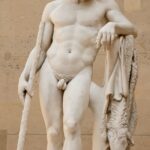 Aristeas
Argus’s legacy continues to endure in modern culture, where his story is referenced in various forms of media. His character serves as a reminder of the importance of vigilance and the complexities of loyalty. In contemporary interpretations, Argus is often associated with themes of surveillance and the ethical implications of watching others. This connection to modern issues reflects the timeless nature of his story, as the themes explored in Argus’s myth remain relevant in today’s society.
Furthermore, Argus’s role as a guardian has led to the creation of modern metaphors. The term “Argus-eyed” is often used to describe someone who is particularly observant or watchful. This phrase captures the essence of Argus’s character and serves as a reminder of the importance of being aware of one’s surroundings. In this way, Argus’s legacy lives on, influencing language and thought in contemporary society.
When exploring the character of Argus, it is interesting to compare him to other mythological figures who share similar traits. For instance, the Gorgons, particularly Medusa, also possess unique characteristics that set them apart. While Argus is known for his vigilance and watchfulness, the Gorgons are known for their petrifying gaze. Both figures represent different aspects of perception, with Argus embodying the watchful protector and the Gorgons symbolizing the dangers of unchecked power.
Additionally, Cerberus, the three-headed dog, serves as another guardian figure in Greek mythology. Like Argus, Cerberus is tasked with guarding something of great importance—in this case, the gates of the Underworld. Both figures exhibit loyalty and dedication to their roles, yet they also represent different facets of guardianship. While Argus is characterized by his many eyes and vigilance, Cerberus is defined by his ferocity and strength. These comparisons highlight the diverse ways in which guardianship is represented in mythology, offering a richer understanding of the roles these figures play.
In modern interpretations, Argus has been reimagined in various forms of media, including films, television shows, and literature. His character often serves as a symbol of loyalty and vigilance, reflecting contemporary concerns about surveillance and privacy. In many stories, Argus’s watchful nature is portrayed as both a strength and a weakness, illustrating the complexities of being a guardian in a world filled with uncertainty.
Additionally, the character of Argus has been adapted into various genres, from fantasy to horror. His story has been used to explore themes of jealousy, betrayal, and the consequences of power. These modern interpretations allow audiences to engage with Argus’s character in new and meaningful ways, highlighting the relevance of his story in contemporary discussions about morality and ethics.
Argus’s influence extends beyond traditional mythology into popular culture, where his character has inspired numerous references and adaptations. In video games, for example, Argus may appear as a guardian character, embodying the traits of vigilance and loyalty. His presence in gaming narratives often serves to challenge players, forcing them to confront obstacles that require cunning and strategy to overcome.
Moreover, Argus’s character can be found in literature and graphic novels, where his story is reimagined to fit modern contexts. Authors often draw on his themes of observation and guardianship to create compelling narratives that resonate with contemporary audiences. By weaving Argus into modern storytelling, creators continue to explore the timeless themes present in his myth, ensuring that his legacy endures in the cultural consciousness.
In addition to his role in mythology, Argus also held significance in ancient Greek religion. He was often associated with the concept of guardianship, which was a vital aspect of religious practices. Temples and sacred spaces were frequently protected by statues or images of watchful figures, serving as reminders of the need for vigilance in the face of potential threats. Argus, with his many eyes, embodies this concept of protection, making him a fitting symbol for religious devotion and safeguarding.
Furthermore, the story of Argus and Io reflects broader themes within Greek religion, such as the relationship between mortals and gods. The dynamics between Argus, Hera, and Zeus illustrate the complexities of divine interactions and the consequences of jealousy and betrayal. These themes resonate throughout Greek religious practices, emphasizing the importance of understanding the relationships between different deities and their followers.
As Greek mythology spread throughout the ancient world, the figure of Argus influenced various cultures and traditions. His story has been adapted and reinterpreted in Roman mythology, where he is often seen as a symbol of watchfulness and loyalty. The Romans recognized the importance of guardianship, and Argus’s character served as an archetype for similar figures in their own mythology.
In later cultures, Argus’s legacy continued to be felt. The Renaissance period saw a revival of interest in classical mythology, and Argus was often referenced in art and literature. His character became synonymous with the idea of vigilance, inspiring poets and artists to explore themes of observation and awareness. This enduring influence demonstrates the lasting impact of Argus’s story on the cultural imagination.
Scholars have also examined Argus’s character within the context of literary and mythological studies. His story is often analyzed for its themes of loyalty, guardianship, and the complexities of divine relationships. Academics explore the ways in which Argus’s character reflects broader societal values, such as the importance of vigilance and the consequences of jealousy. Through this lens, Argus becomes a focal point for discussions about morality and ethics in mythology.
Furthermore, the symbolism of Argus’s eyes has been a topic of interest for many scholars. The idea of perception and awareness is central to understanding his character, and academics often delve into the implications of having multiple eyes. This symbolism invites discussions about knowledge, truth, and the nature of observation, making Argus a rich subject for academic inquiry.
Argus’s character continues to resonate with audiences today. His story explores timeless themes of loyalty, vigilance, and the complexities of divine relationships. As cultures evolve and new narratives emerge, Argus remains a relevant figure in discussions about guardianship and the ethical implications of observation. His legacy, rooted in ancient mythology, serves as a reminder of the importance of being aware of the world around us and the responsibilities that come with guardianship.
Through various interpretations and adaptations, Argus’s character endures, inspiring new generations to engage with the rich tapestry of Greek mythology. His story, marked by themes of loyalty and vigilance, continues to be a source of fascination, inviting exploration and reflection on the nature of guardianship in both myth and reality.