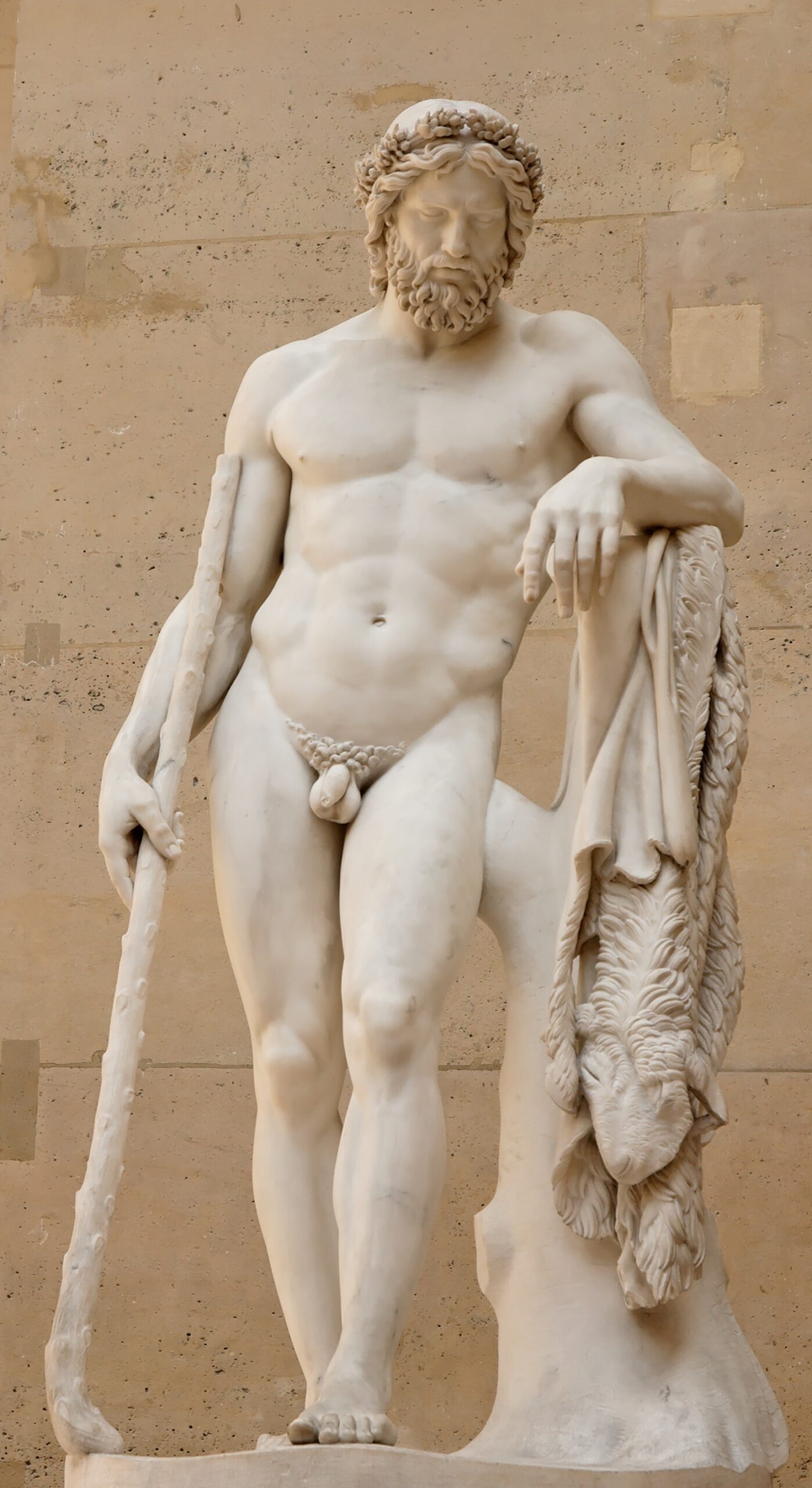
Aristaeus is a fascinating figure in Greek mythology, known for his connection to agriculture, animal husbandry, and the arts of beekeeping. He is often depicted as a benevolent deity who aids humans in their agricultural endeavors. The stories surrounding Aristaeus reveal much about the ancient Greek understanding of nature and the importance they placed on farming and pastoral life. This article delves into the myths, attributes, and significance of Aristaeus, providing a comprehensive overview of his role in Greek mythology.
Origins of Aristaeus
Aristaeus is said to be the son of Apollo, the god of the sun, music, and prophecy, and Cyrene, a nymph known for her hunting skills. According to mythology, his birth was a result of Apollo’s affection for Cyrene. The union between a god and a nymph highlights Aristaeus’s divine heritage, which plays a crucial role in his attributes and abilities. As the offspring of Apollo, Aristaeus inherited not only his father’s beauty but also his connection to the natural world.
 Argus
ArgusHis mother, Cyrene, was a skilled huntress who lived in the region of Libya. After being abducted by Apollo, she was taken to the land of Thessaly, where she bore Aristaeus. This blend of lineage reflects the duality of Aristaeus’s character: he is both a god and a protector of nature. His origins are celebrated in various myths, emphasizing the significant role of his parents in shaping his identity as a deity associated with agriculture and the natural world.
Attributes and Symbols
Aristaeus is often depicted as a handsome young man, embodying the ideals of strength and vitality. He is commonly associated with several symbols that represent his connection to agriculture and pastoral life. One of the most prominent symbols of Aristaeus is the bee, which signifies his role as a protector of beekeeping. Bees are essential for pollination, and their presence in mythology underscores the importance of agriculture in ancient Greek society.
In addition to bees, Aristaeus is also associated with various agricultural tools and animals. He is often depicted with a sickle, representing his role in harvesting crops, and is frequently shown with livestock, particularly sheep and goats. These symbols reinforce his identity as a god of farming and pastoral life, highlighting the deep connection between humans and the natural world in Greek mythology.
 Ariadne
Myths Involving Aristaeus
One of the most famous myths involving Aristaeus is the story of his pursuit of Eurydice, the wife of Orpheus. According to the myth, Aristaeus fell in love with Eurydice and attempted to seduce her. However, she was already married to Orpheus, who was deeply in love with her. When Eurydice died from a snake bite, Orpheus descended into the Underworld to retrieve her, leading to a tragic series of events. Aristaeus’s actions in this myth highlight the complexities of love and desire in Greek mythology.
Another significant myth is the story of Aristaeus and the bees. According to legend, Aristaeus was responsible for the death of many of his bees due to his negligence. In his grief, he sought the guidance of his mother, Cyrene, who advised him to sacrifice a cow to the gods. Following her advice, Aristaeus performed the sacrifice, and in return, the gods sent new bees to him. This myth emphasizes the importance of rituals and sacrifices in ancient Greek culture, illustrating how humans could seek favor from the gods through acts of devotion.
 Arion-
List of Important Myths
- The pursuit of Eurydice
- The death of the bees and the subsequent sacrifice
- Aristaeus and the art of beekeeping
- The relationship with other deities
Aristaeus and Agriculture
Aristaeus is primarily known as a god of agriculture, and his contributions to farming practices were highly valued in ancient Greece. He was believed to have taught humans the art of beekeeping, which was essential for the pollination of crops and the production of honey. Honey was not only a vital food source but also held significant cultural and medicinal value. The knowledge imparted by Aristaeus allowed farmers to cultivate their land more effectively, leading to bountiful harvests.
In addition to beekeeping, Aristaeus was associated with various agricultural practices, including the cultivation of olives and grapes. The olive tree, in particular, held great importance in Greek culture, symbolizing peace and prosperity. Aristaeus’s guidance in these areas contributed to the sustenance and livelihood of many communities, highlighting the interconnectedness between humans and nature in ancient Greek society.
Worship and Cult of Aristaeus
The worship of Aristaeus was prevalent in several regions of ancient Greece, particularly in areas where agriculture was a significant part of life. Farmers would often invoke his name during planting and harvesting seasons, seeking his blessings for a fruitful crop. Rituals and offerings were made to honor him, demonstrating the gratitude of the people for his contributions to their livelihoods. The connection between Aristaeus and the agricultural calendar was strong, with festivals dedicated to him marking important seasonal changes.
In addition to agricultural rituals, Aristaeus was also associated with various cult practices related to bees and honey. Beekeeping was a revered profession, and those who practiced it often sought the favor of Aristaeus to ensure the health and productivity of their hives. Special offerings of honey and wax were made to honor him, and it was believed that doing so would bring prosperity and abundance to their harvests.
List of Worship Practices
- Ritual sacrifices of animals
- Offerings of honey and beeswax
- Seasonal festivals celebrating agriculture
- Invocations during planting and harvesting
Aristaeus in Literature and Art
Aristaeus appears in various works of ancient literature, showcasing his significance in Greek culture. One notable mention is in Virgil’s “Georgics,” a poem dedicated to farming and agriculture. In this work, Virgil praises Aristaeus for his contributions to beekeeping and agriculture, emphasizing the importance of these practices in sustaining human life. The poem serves as a tribute to Aristaeus and highlights the respect and reverence that ancient Greeks held for agricultural deities.
In addition to literature, Aristaeus has been depicted in various forms of art throughout history. Ancient pottery often features images of Aristaeus surrounded by bees or engaging in agricultural activities. These artistic representations not only celebrate his divine nature but also serve as a reminder of the interconnectedness between gods and humans in the pursuit of sustenance and prosperity. The visual depictions of Aristaeus reflect the cultural values of ancient Greece, emphasizing the importance of agriculture and the natural world.
Legacy of Aristaeus
The legacy of Aristaeus continues to resonate in modern times, particularly in the fields of agriculture and environmental conservation. His teachings about beekeeping and sustainable farming practices have been passed down through generations, highlighting the enduring significance of these practices in maintaining ecological balance. The importance of bees in pollination and food production is more recognized today than ever before, echoing the ancient reverence for this essential aspect of nature.
Moreover, the myths surrounding Aristaeus serve as a reminder of the ancient Greeks’ profound connection to the land and their dependence on agriculture for survival. The stories of Aristaeus emphasize the need for harmony between humans and nature, a theme that remains relevant in contemporary discussions about sustainability and environmental stewardship. His legacy inspires individuals and communities to appreciate the natural world and recognize the vital role it plays in our lives.
Aristaeus stands out as a significant figure in Greek mythology, embodying the ideals of agriculture, beekeeping, and the harmonious relationship between humans and nature. His origins, attributes, and the myths surrounding him illustrate the profound respect the ancient Greeks had for the natural world and its resources. Through rituals, literature, and art, Aristaeus’s legacy continues to inspire and educate people about the importance of agriculture and environmental conservation.