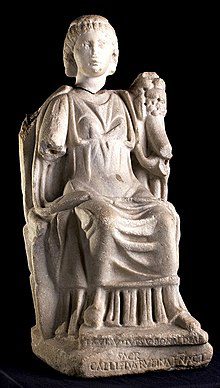
Bona Dea, known as the “Good Goddess,” is a significant figure in Roman mythology. She embodies fertility, healing, and the protection of women. Bona Dea was primarily worshipped by women and had a unique position in Roman religious practices. Unlike many deities in the Roman pantheon, she was often associated with secrecy and rituals that were exclusive to females. This exclusivity not only highlighted her importance but also created an aura of mystery around her. Her festivals and rites were integral to the spiritual life of women in ancient Rome, and her influence extended into various aspects of their lives.
The Origins of Bona Dea
The origins of Bona Dea are somewhat obscure, as she was a goddess with local and regional significance. She is often thought to have originated from the Etruscans, where she was linked to fertility and the earth. Over time, her worship spread to Rome, where she became associated with the goddess Fauna, the wife of the god Faunus. The merging of these figures enriched her character, giving her attributes that emphasized nature and abundance. The Romans embraced her, and she became a staple in their religious practices, particularly among women who sought her favor for fertility and health.
 Mens
MensBona Dea was primarily worshipped in the House of the Vestals, the priestesses dedicated to the goddess Vesta. This connection to the Vestals reinforced her role as a protector of women and children. Women would often turn to her for aid during childbirth or when facing challenges in their domestic lives. The rituals performed in her honor were meant to invoke her blessings, ensuring that families remained prosperous and healthy. This focus on domestic well-being is a key aspect of her worship and highlights the societal values of ancient Rome.
Rituals and Worship
The rituals dedicated to Bona Dea were shrouded in secrecy, making them some of the most intriguing aspects of her worship. Only women were allowed to participate in these ceremonies, which were held annually in her honor. The most notable festival took place in May, a month often associated with fertility and growth. During this time, women would gather in a secluded place to perform rituals, including offerings of wine, milk, and honey. These offerings symbolized purity and were believed to please the goddess.
One of the central components of the rituals was the use of a sacred snake, which represented healing and regeneration. Women would often chant prayers and incantations, asking for Bona Dea’s protection and blessings. The secrecy surrounding these rituals was paramount; men were strictly forbidden from attending. This exclusivity reinforced the idea that Bona Dea was a goddess who cared specifically for women and their needs. The rituals also served as a form of empowerment, allowing women to come together and share their experiences in a supportive environment.
 Bonus-eventus
Significant Symbols
- Snake: Represents healing and regeneration.
- Wine: Symbolizes purity and joy.
- Honey: Associated with sweetness and abundance.
- Milk: Represents nourishment and maternal care.
In addition to these offerings, women would often wear special garments, such as the tunic or stola, to signify their devotion to the goddess. The attire was usually white, symbolizing purity and innocence. These garments were believed to help women connect with the divine and invite Bona Dea’s blessings into their lives. The rituals were not only spiritual but also served as a social gathering, where women could share stories, advice, and support.
Bona Dea in Literature and Art
Bona Dea has also been depicted in various forms of Roman literature and art. Although she may not be as widely recognized as other deities, her presence in ancient texts reveals much about her significance in Roman culture. Writers like Ovid and Pliny the Elder referenced her in their works, emphasizing her role as a goddess of fertility and healing. These literary mentions help us understand how she was perceived in Roman society and the values associated with her worship.
Artistic representations of Bona Dea often highlight her connection to nature and fertility. She is frequently depicted alongside plants, animals, and symbols of abundance. In many cases, she is shown with a cornucopia, a symbol of plenty that signifies her ability to provide for her worshippers. These artistic portrayals served to remind the people of her protective and nurturing qualities, reinforcing the idea that she was a benevolent force in their lives.
 Britannia
Historical Context and Influence
The worship of Bona Dea must be understood within the broader context of Roman religion and society. Roman culture placed great emphasis on family, fertility, and the role of women in the domestic sphere. As such, Bona Dea filled a vital niche, offering women a direct connection to the divine. The exclusivity of her rituals not only empowered women but also created a community among them, allowing for shared experiences and mutual support.
Moreover, the rituals associated with Bona Dea provided a space for women to express their spirituality in a male-dominated society. While many religious practices were led by men, Bona Dea’s worship allowed women to take charge of their spiritual lives. This empowerment was significant, especially during a time when women’s roles were often limited to the domestic sphere. The ability to connect with a goddess who represented their concerns and aspirations gave women a sense of agency and strength.
Modern Interpretations of Bona Dea
In contemporary times, the figure of Bona Dea has seen a resurgence of interest, particularly among those who study paganism and ancient religions. Modern interpretations of her character often focus on her as a symbol of feminine power and healing. Many people view her as a representation of the divine feminine, emphasizing the importance of women’s experiences and the need for their voices to be heard in spiritual practices. This revival of interest has led to the incorporation of her symbolism into modern rituals and spiritual practices.
Additionally, the themes of fertility and healing associated with Bona Dea resonate with many individuals today. In a world where issues related to women’s health and well-being are increasingly at the forefront, Bona Dea’s legacy continues to inspire. Her image is often used in discussions about women’s rights, reproductive health, and the importance of community support among women. By revisiting the worship of Bona Dea, modern practitioners seek to reclaim and celebrate the power of the feminine divine.
Bona Dea in Comparison with Other Deities
When examining Bona Dea, it is interesting to compare her with other deities in the Roman pantheon. For instance, her attributes share similarities with Demeter from Greek mythology, who is also associated with fertility and the harvest. Both goddesses represent the nurturing aspects of nature and the importance of agriculture in sustaining life. However, while Demeter was worshipped openly by both men and women, Bona Dea’s rituals were strictly for women, emphasizing her unique role in Roman society.
Another interesting comparison can be made with the goddess Cybele, who was also associated with fertility and nature. Cybele’s worship involved ecstatic rituals and was often marked by public displays of devotion. In contrast, Bona Dea’s rituals were private and focused on the domestic sphere. This difference highlights the various ways in which femininity and female power were expressed in Roman religion. While both goddesses played essential roles in their respective cults, the nature of their worship reflects the complexities of gender dynamics in ancient Rome.
The Legacy of Bona Dea
The legacy of Bona Dea continues to influence various aspects of modern spirituality and women’s rights movements. Her story serves as a reminder of the importance of female solidarity and empowerment. In a world where women’s voices are often marginalized, the revival of interest in Bona Dea encourages individuals to reclaim their spiritual practices and foster a sense of community. By honoring her memory, many find strength and inspiration in their own lives.
Furthermore, the values associated with Bona Dea—such as healing, fertility, and the protection of women—remain relevant today. Her legacy is often invoked in discussions about women’s health, reproductive rights, and the importance of supporting one another in challenging times. As people seek to connect with their roots and explore ancient traditions, Bona Dea stands as a symbol of resilience and nurturing strength.
Bona Dea is a fascinating figure in Roman mythology whose influence extends far beyond her time. Her unique position as a goddess worshipped exclusively by women speaks to the importance of female empowerment and community in ancient Rome. Through her rituals and symbolism, Bona Dea continues to inspire and resonate with modern audiences, reminding us of the enduring power of the feminine divine.