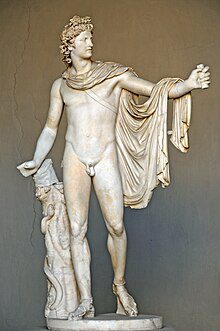
Apollo is one of the most important deities in Greek mythology. He is known as the god of the sun, music, poetry, healing, and prophecy. His presence in ancient Greek culture was significant, influencing art, literature, and religion. Apollo is often depicted as a handsome young man, embodying the ideal of physical beauty and harmony. His character represents a blend of intellect and creativity, making him a multifaceted figure in the pantheon of Greek gods.
The Birth of Apollo
The story of Apollo’s birth is fascinating and filled with drama. According to mythology, Apollo was born on the island of Delos, where his mother, Leto, sought refuge from the wrath of Hera, Zeus’s wife. Hera had forbidden Leto from giving birth on solid ground, leading her to find this floating island. The moment Apollo was born, he took his first steps and declared his divine nature. This swift maturity is a testament to his powerful lineage, as he is the son of Zeus, the king of the gods.
 Arachne
Leto’s struggle to give birth to Apollo was not easy. She faced numerous challenges, including the fearsome dragon Python, who tried to prevent her from reaching Delos. However, Leto was determined to bring her son into the world. Once Apollo was born, he quickly sought revenge on Python, establishing his role as a protector and a warrior. This aspect of his character is essential, as it showcases his duality as both a nurturing and a fierce deity.
Apollo as the God of the Sun
Apollo is often associated with the sun, symbolizing light, clarity, and truth. He is known as the God of Light, illuminating the world with his rays. In many myths, Apollo is depicted driving a chariot across the sky, pulling the sun behind him. This imagery emphasizes his role as a bringer of light and order to the cosmos. The sun is not only a source of physical light but also represents knowledge and enlightenment, themes closely linked to Apollo’s character.
 Arcas
ArcasAs the sun god, Apollo also embodies the idea of balance. He is not just a source of warmth and growth but also a figure who brings clarity and vision. This balance is reflected in his association with the arts, particularly music and poetry. The light of Apollo inspires creativity, guiding artists and musicians in their endeavors. His connection to the sun reinforces the idea that enlightenment can be achieved through knowledge and artistic expression.
The Oracle of Delphi
One of Apollo’s most significant roles in Greek mythology is as the god of prophecy. The Oracle of Delphi was a sacred site dedicated to Apollo, where priests and priestesses would interpret his divine messages. People from all over Greece would visit Delphi to seek guidance on various matters, including personal dilemmas and state affairs. The oracle was highly respected and played a crucial role in shaping decisions in ancient Greece.
The process of receiving prophecies at Delphi was both mysterious and revered. The priestess, known as the Pythia, would enter a trance-like state, often induced by the vapors rising from a fissure in the ground. In this state, she would communicate Apollo’s messages, often in cryptic language. The interpretations of these messages were left to the seekers, leading to various outcomes based on their understanding. This unique aspect of Apollo’s character highlights his influence on human fate and the complexities of divine communication.
 Arion
ArionApollo and the Arts
Apollo is often celebrated as the god of the arts, particularly music and poetry. He is frequently depicted with a lyre, a stringed instrument that symbolizes his mastery of music. According to mythology, Apollo challenged the satyr Marsyas to a musical contest, which he won decisively. This victory not only showcased his musical talents but also emphasized the importance of skill and creativity in the arts.
In addition to music, Apollo’s influence extends to poetry and the literary arts. He is often regarded as the patron of poets, inspiring them to create works that resonate with beauty and depth. Many ancient Greek poets, including Homer and Pindar, invoked Apollo in their works, seeking his inspiration. This connection between Apollo and the arts highlights the significance of creativity in ancient Greek culture and its lasting impact on Western literature.
Apollo’s Relationships and Legends
Apollo’s relationships with other gods and mortals are rich with stories and lessons. One of the most notable tales involves his love for Daphne, a nymph who desired to remain free and unattached. Apollo, struck by her beauty, pursued her relentlessly. In a desperate attempt to escape his advances, Daphne prayed to her father, the river god Peneus, who transformed her into a laurel tree. This story symbolizes the theme of unrequited love and the consequences of desire, illustrating the complexities of Apollo’s character.
Another significant relationship is with Asclepius, Apollo’s son, who became the god of medicine and healing. Asclepius inherited his father’s knowledge and skills, using them to heal the sick and wounded. However, his powers led to conflict with Zeus, who feared that Asclepius would make humans immortal. In response, Zeus struck him down, highlighting the delicate balance between life and death in Greek mythology. This relationship reflects Apollo’s role as a nurturing figure, passing on knowledge while also facing the limitations of mortality.
Apollo in Art and Culture
Apollo’s influence extends beyond mythology into the realms of art and culture. Throughout history, artists have depicted him in various forms, celebrating his beauty and divine attributes. In ancient Greece, sculptures and pottery often featured Apollo, showcasing his significance in society. These representations served as a reminder of the values he embodied, such as truth, beauty, and harmony.
In addition to visual arts, Apollo’s presence is felt in literature and music. Many classical composers have drawn inspiration from his myths, creating works that capture his essence. The themes of light, creativity, and prophecy resonate in various forms of artistic expression, making Apollo a timeless figure in cultural history. His influence can be seen in modern literature and music, where his character continues to inspire artists across generations.
The Festivals of Apollo
The ancient Greeks celebrated several festivals in honor of Apollo, emphasizing his importance in their culture. One of the most significant was the Pythian Games, held every four years at Delphi. These games included athletic competitions, musical performances, and poetic recitations, reflecting Apollo’s dual role as both a god of sports and the arts. The Pythian Games were second only to the Olympic Games in importance, showcasing the reverence the Greeks had for Apollo.
Another important festival was the Thargelia, which celebrated the arrival of spring. This festival involved various rituals, including offerings to Apollo and purification ceremonies. The Thargelia emphasized the connection between Apollo and the agricultural cycle, highlighting his role as a god who brings light and life to the earth. These festivals served not only as a means of worship but also as a way to unite communities in celebration and reverence for the divine.
The Legacy of Apollo
The legacy of Apollo in Greek mythology is profound and enduring. His influence can be seen in various aspects of modern culture, from literature and art to music and philosophy. The themes associated with Apollo—such as light, knowledge, and creativity—continue to resonate with people today. Many consider him a symbol of the pursuit of excellence and the importance of balance in life.
In addition to his cultural impact, Apollo’s myths provide valuable lessons about the human experience. Stories of love, loss, and the search for truth are universal themes that continue to inspire and challenge individuals. Apollo’s character serves as a reminder of the complexities of existence and the pursuit of higher ideals. His legacy is a testament to the enduring power of mythology and its ability to shape our understanding of the world.