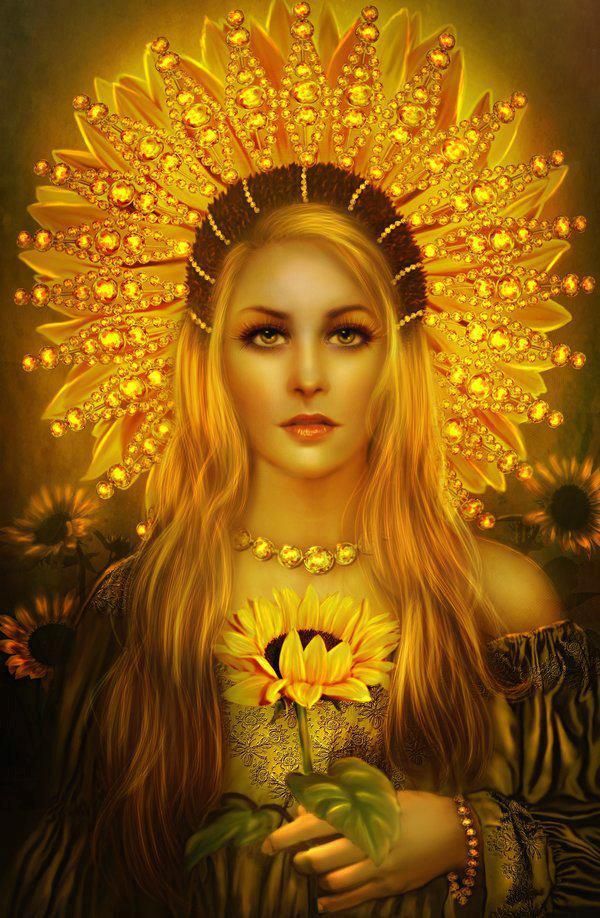
Alectrona is a lesser-known figure in Greek mythology, often overshadowed by more prominent deities. However, she holds a unique place within the rich tapestry of ancient stories and beliefs. Alectrona is associated with the sun and is sometimes considered a goddess of the dawn. Her name itself suggests a connection to light and brightness, as it is derived from the Greek word “alector,” meaning “rooster,” a creature known for its early morning crowing. This connection to the dawn places Alectrona in a significant position within the cycle of day and night, emphasizing her role in the natural order.
Origins and Associations
The origins of Alectrona are somewhat ambiguous, as she is not mentioned in many of the well-known ancient texts. However, she is believed to have roots in the early worship of sun deities. In various interpretations, Alectrona is linked to other sun gods such as Helios and Apollo, both of whom played major roles in Greek mythology. The connection to these more prominent deities suggests that Alectrona may have been a localized or less widely worshipped aspect of sun worship in ancient Greece.
 Cassandra
Alectrona is often depicted alongside symbols of the sun, such as rays of light or even the rooster itself. The rooster, known for its crowing at dawn, symbolizes the start of a new day and the triumph of light over darkness. This symbolism reinforces Alectrona’s association with the dawn and the renewal that comes with each sunrise. In some artistic representations, she may be shown riding a chariot pulled by roosters, further emphasizing her connection to the light and the early morning hours.
Alectrona in Ancient Texts
 Aloadae
Additionally, Alectrona’s name appears in inscriptions and artifacts from ancient Greece, indicating that she had a following among certain communities. These artifacts often depict her alongside other deities, suggesting that she was worshipped in conjunction with them. The presence of Alectrona in local cults may have contributed to her identity as a goddess of the dawn, as communities would have sought her favor for a good harvest or protection from the darkness of night.
Worship and Rituals
The worship of Alectrona, while not as widespread as that of other gods, involved specific rituals that honored her role as a goddess of the dawn. In ancient Greece, it was common for people to greet the sunrise with various ceremonies and offerings. These rituals often included the lighting of candles or lamps, symbolizing the arrival of light and the dispelling of darkness. Participants would chant prayers to Alectrona, asking for her blessings for the day ahead.
- Morning Offerings: People would often leave food or flowers at altars dedicated to Alectrona, symbolizing gratitude for the new day.
- Sunrise Ceremonies: Communities would gather at dawn to celebrate the rising sun, often singing hymns in honor of Alectrona.
- Rooster Symbolism: As roosters are associated with the dawn, they were sometimes kept in homes as a way to invoke Alectrona’s presence.
In addition to these rituals, Alectrona was sometimes invoked during important life events. For example, couples may have prayed to her for a successful marriage, seeking her blessings for a bright and prosperous future together. This aspect of her worship highlights her role not only as a deity of the dawn but also as a guardian of new beginnings and opportunities.
 Alpheus
Alectrona’s Legacy
Despite her relatively minor role in Greek mythology, Alectrona’s legacy continues to be of interest to scholars and enthusiasts of ancient cultures. Her association with the dawn and the sun serves as a reminder of the importance of light in human existence. In many ways, she embodies the hope and renewal that comes with each new day. This theme resonates deeply within various cultural narratives, emphasizing the universal appreciation for the dawn as a symbol of new beginnings.
Moreover, Alectrona’s connection to the rooster as a symbol of dawn has persisted in various cultures beyond ancient Greece. In many societies, the rooster continues to be a symbol of vigilance and the arrival of light. This enduring symbolism can be traced back to the worship of Alectrona and reflects how ancient beliefs can shape modern traditions. The rooster’s crowing remains a daily reminder of the cyclical nature of life, echoing the themes that Alectrona represents.
Comparative Mythology
When examining Alectrona in the context of comparative mythology, it becomes evident that many cultures have their own deities associated with the dawn. For instance, in Roman mythology, the goddess Aurora represents the dawn and is often depicted as a beautiful woman who brings light to the world. Similarly, in Hindu mythology, the goddess Ushas is celebrated as the personification of dawn, symbolizing hope and renewal. These parallels highlight a common human fascination with the transition from night to day and the symbolic meanings attributed to light.
The similarities between Alectrona and these other dawn deities suggest that the worship of light and the cyclical nature of time are universal themes across cultures. Each culture, while unique in its beliefs and practices, shares a fundamental appreciation for the dawn as a time of renewal and possibility. This cross-cultural perspective enriches our understanding of Alectrona and emphasizes her place within the broader context of mythology.
Alectrona in Modern Culture
In modern times, the figure of Alectrona may not be as widely recognized as other Greek deities, but her influence can still be felt in various forms of art and literature. Contemporary artists and writers often draw inspiration from ancient myths, including those of Alectrona, to explore themes of light, hope, and renewal. This connection to the past allows for a re-examination of ancient beliefs and their relevance in today’s world.
Furthermore, Alectrona’s symbolism can be found in various cultural expressions, such as poetry and music. The idea of a new day bringing hope and opportunities resonates deeply with people, making Alectrona a timeless figure in the human experience. Her representation of the dawn serves as a reminder that each day is a chance for growth and transformation, themes that continue to inspire creativity and reflection.
Alectrona may not be one of the most prominent figures in Greek mythology, but her associations with the dawn and the sun highlight important themes of light, renewal, and hope. Her worship, although localized, reflects the universal human desire to honor the transition from night to day. By examining Alectrona’s origins, associations, and legacy, we gain a deeper understanding of the significance of light in both ancient and modern contexts. As we continue to explore the stories and symbols that shape our understanding of the world, Alectrona remains a meaningful figure, embodying the promise of each new dawn.