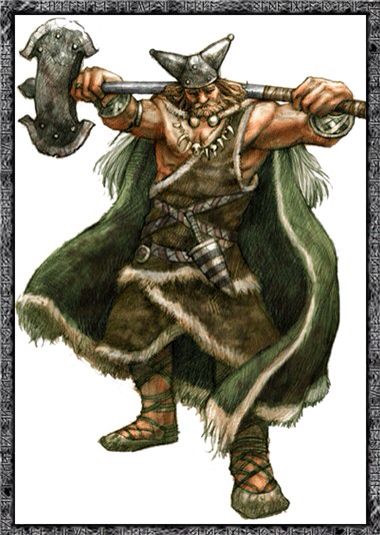
In Norse mythology, Vili is a significant figure often associated with creation and the shaping of the world. He is one of the three sons of Borr and Bestla, alongside his brothers Odin and Ve. Together, these three brothers played a crucial role in the formation of the cosmos and the establishment of humanity. Vili, in particular, is often linked with aspects of will and desire, serving as a vital force in the creation of the first humans, Ask and Embla. The myths surrounding Vili are deeply intertwined with the larger narrative of Norse cosmology, making him an essential character in understanding the Norse worldview.
The Role of Vili in Creation
Vili’s involvement in creation is primarily highlighted in the stories of how the world was formed from the body of the primordial giant Ymir. According to the myths, after Ymir was slain by Odin and his brothers, his body was used to create the world. Vili, alongside Odin and Ve, contributed to this act by providing the elements necessary for life and structure. They fashioned the earth from Ymir’s flesh, the seas from his blood, the mountains from his bones, and the sky from his skull. This collaborative effort signifies the importance of unity among the brothers, with Vili representing the aspect of will that drives creation.
In the process of creating the first humans, Vili played a vital role in imparting consciousness and emotion. When Odin and his brothers discovered two logs on the shore, they decided to bring them to life. While Odin gave them breath and spirit, Vili provided them with understanding and will. This act of bestowing consciousness highlights Vili’s significance in the human experience, as he is responsible for granting humans the ability to think, feel, and make choices. This aspect of Vili’s character emphasizes the importance of free will in Norse mythology.
The Symbolism of Vili
Vili symbolizes various aspects of the human experience, particularly willpower and intention. In many interpretations of Norse mythology, will is seen as a driving force that shapes destiny and influences the course of events. Vili’s role in granting humans the ability to choose their paths reflects the broader theme of fate versus free will in Norse thought. This duality is essential in understanding how the Norse people viewed their lives and the universe around them.
 Verdandi
Additionally, Vili represents the interconnectedness of all beings. The act of creating the world from Ymir’s body signifies that all elements of existence are derived from a common source. This notion is crucial in Norse mythology, where everything is interlinked, and the actions of one being can affect the entire cosmos. Vili’s contribution to creation underscores the importance of collaboration and unity, suggesting that great things can be achieved when individuals work together towards a common goal.
Vili and the Other Æsir
Vili’s relationship with his brothers, Odin and Ve, is a central theme in Norse mythology. Each brother has distinct attributes and roles, contributing to the overall balance of power among the Æsir, the principal pantheon of Norse gods. Odin is often seen as the god of wisdom and war, while Ve represents the sacred and the divine. Vili, with his emphasis on will and consciousness, complements their attributes, creating a harmonious trio.
The dynamic among the brothers can be viewed as a representation of the different facets of existence. Odin’s wisdom guides the decisions made, Ve’s sacredness maintains the balance, and Vili’s will drives the actions forward. This interplay of characteristics is essential in understanding how the Norse gods functioned as a collective, influencing both the mortal realm and the cosmos. Their unity is a reminder of the importance of collaboration and the strength found in diversity.
 Ve
VeVili in Modern Interpretations
In contemporary discussions of Norse mythology, Vili’s role is often re-examined through various lenses, including psychological and philosophical perspectives. Many scholars and enthusiasts delve into the meanings behind his actions and attributes, exploring how they relate to modern concepts of identity and self-determination. The idea of will as a fundamental aspect of human existence resonates with many people today, making Vili a relevant figure in modern discourse.
Moreover, Vili’s story has inspired numerous artistic representations, from literature to visual arts. Writers and artists often draw upon his symbolism to explore themes of creation, agency, and the human condition. By revisiting Vili’s narrative, modern creators can reflect on the timeless questions of existence and the nature of choice, making his character a bridge between ancient mythology and contemporary thought.
Vili’s Legacy in Norse Mythology
The legacy of Vili in Norse mythology is profound, as his actions and attributes continue to influence how we understand the mythological framework. His role in creation highlights the importance of will and consciousness, shaping the way humans perceive their existence. In many ways, Vili embodies the struggle between destiny and free will, a theme that resonates across cultures and time periods.
Furthermore, Vili’s contributions to the formation of the world and humanity serve as a reminder of the interconnectedness of all beings. This idea remains relevant today, as it encourages individuals to recognize their impact on the world around them. The notion that our choices and actions can shape not only our lives but also the lives of others is a powerful message that continues to inspire reflection and growth.
Vili is a vital figure in Norse mythology, representing will, consciousness, and the collaborative spirit of creation. His legacy endures through the stories of the Æsir and their interactions with humanity, reminding us of the importance of choice and interconnectedness in our lives. As we explore the rich tapestry of Norse myths, Vili’s story serves as a beacon of understanding, guiding us through the complexities of existence and the power of our decisions.